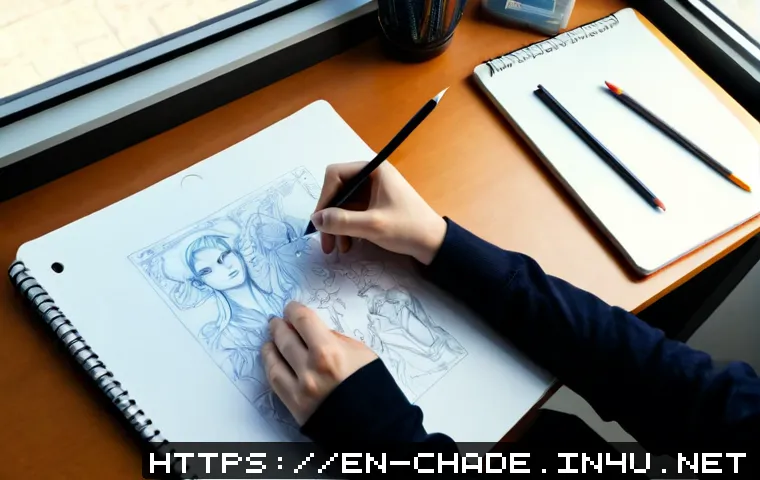
Commercial character design succeeds when it fits a defined audience, stays recognizable across formats, and comes with clear production and usage rights.
Strong artwork matters, but commercial value also depends on how easily a client, vendor, or licensing partner can use it. For freelancers and studios, this is why a character brief should cover more than visual style.
It should define the business goal, deliverables, revision process, file needs, and rights scope before the work begins. A usable design system can support branding, social content, games, packaging, animation, and merchandise without forcing the team to reinvent the character each time.
Pricing should also separate the creative production of the artwork from the commercial permission to use it. That approach makes design quotes easier to compare and helps protect the value of both the designer’s work and the client’s investment.
At a Glance
- Commercial value comes from audience fit, recognizable design, and production usability.
- A character should be planned as a reusable system, not only as a single attractive illustration.
- Design fees and usage rights should be discussed separately when commercial scope changes.
| Project Type | Typical Deliverables | Main Cost Drivers | Best Fit |
|---|---|---|---|
| One-off illustration | Final artwork for a defined placement or campaign | Complexity, revision scope, final format, approved use | A single post, cover, promotion, or editorial use |
| Brand mascot | Core character, expressions, poses, color references, usage guidance | Repeatable assets, source files, multiple channels, exclusivity | Brands that need recognizable content over time |
| Original IP | Character system, visual traits, turnaround sheets, concept development | Development scope, ownership terms, future production needs | Creators building games, stories, or product lines |
| Licensed character work | Assets defined by a licensing agreement and approved media | Territory, duration, exclusivity, permitted media, usage scale | Campaigns, products, or partnerships with controlled usage |
What Makes a Character Design Commercially Viable?
Three quick answers: audience fit, recognizable design, and production-ready rights
A market-ready character has three jobs. It should feel relevant to the intended audience, remain recognizable when shown in different sizes and formats, and be covered by clear commercial terms. A character may look impressive in a portfolio image but still be difficult to use if no one knows which files are available, who owns the work, or where it may appear.
Why attractive artwork alone does not guarantee client or product value
An appealing illustration is not automatically a reusable business asset. A client may need social media avatars, packaging art, web assets, animation references, or merchandise-ready files. If the design only works in one pose or one large-format image, it can create extra production work later. Commercial character design is stronger when the visual idea can survive practical use.
Define the business goal before drawing: branding, content, games, licensing, or merchandise
Start with the intended role. A mascot for visual branding may need expressions and repeatable poses. A game character may require consistent proportions and views for production. A character intended for merchandise may need clear shapes that remain readable on a small product or package. Define the goal before choosing a style, commissioning freelance illustration services, or investing in character design software.
Match the Character to a Market, Not Just a Style
Identify the audience’s expectations, buying context, and preferred visual language
Ask where people will encounter the character and what they are expected to do next. Will they recognize it as a social profile image, see it on product packaging, use it in a game interface, or encounter it in a branded campaign? The right visual language depends on context. A good brief describes the audience, the use environment, and the desired personality without treating style alone as the whole strategy.
Build a recognizable silhouette, color system, personality cues, and scalable details
A distinctive silhouette helps recognition when detail disappears. A controlled color palette makes the character easier to apply consistently. Repeatable visual traits, such as a clear accessory, shape language, or expression style, give artists and vendors practical reference points. These choices should support recognition at both small and large sizes rather than rely on intricate details alone.
Test whether the concept remains clear in an avatar, thumbnail, package, or product mockup
Before expanding the asset list, check whether the character still reads clearly in likely placements. Test the visual hierarchy in a small avatar, a thumbnail-sized image, a package layout, or a simple product mockup. This does not predict commercial popularity, but it can expose whether the design depends too heavily on fine detail, background effects, or a single composition.
Compare Project Types, Deliverables, and Cost Drivers
One-off illustration vs. recurring brand mascot vs. original intellectual property
A one-off illustration can be suitable when the client needs one defined visual. A recurring mascot usually needs a broader design system because it will appear repeatedly across marketing materials. Original intellectual property may require deeper planning around consistency, ownership, future development, and licensing possibilities. The right model depends on the commercial goal, not simply on how polished the first image looks.
What changes a design quote: complexity, revisions, turnaround views, source files, and usage rights
A character design quote can change when the brief adds complexity, more revision rounds, turnaround views, editable source files, or expanded commercial usage. A turnaround sheet commonly includes front, side, and back views so multiple artists or vendors can maintain consistency. These items are not interchangeable, so clients should request an itemized deliverables checklist before comparing freelance design services or production outsourcing options.
When a flat project fee may be suitable and when licensing terms need separate discussion
A flat project fee may suit a clearly defined assignment with limited deliverables and known usage. Licensing terms deserve separate discussion when the scope of use expands across media, territory, duration, exclusivity, or product categories. The design fee pays for the creative work; the licensing discussion addresses permission to use that work. Neither approach guarantees product sales or licensing revenue.
Create a Production-Ready Character Design System
Essential deliverables: expression sets, pose libraries, color references, and turnaround sheets
A production-ready package should reflect the actual use case. Useful materials can include expression sets for content teams, pose libraries for recurring campaigns, color references for visual consistency, and turnaround sheets for artists or manufacturers. Not every project needs every asset. The important point is to match the package to the workflow that will follow.
Prepare files for digital content, print, animation, game assets, or merchandise production
Digital content, print, animation, game assets, and merchandise can each require different production specifications. Confirm requirements with the relevant printer, manufacturer, game team, animation studio, or licensing partner before final delivery. A designer can prepare organized files, but the specific technical requirements of a vendor should not be assumed from a general brief.
Avoid common handoff failures, including unclear layers, inconsistent proportions, and missing usage notes

Handoffs become difficult when layers are unclear, proportions shift between poses, colors are not referenced, or usage notes are missing. Keep file names understandable and identify which asset is the approved version. If source files are part of the agreement, state that clearly. If they are not included, the client should understand what final assets will be delivered instead.
Protect Value Through Rights, Licensing, and Clear Client Scope
Key contract questions: ownership, exclusivity, territory, duration, and approved uses
Commercial agreements should address ownership, usage rights, territory, duration, exclusivity, revisions, and permitted media. These points affect what each party can do with the character after delivery. A vague agreement can create confusion when a successful campaign later expands into products, advertising, animation, or a new market.
Avoid unintentional copying through reference management and originality checks
References can help communicate mood, proportion, or category expectations, but they should not become instructions to reproduce another character. Keep references organized by purpose and identify what is being referenced: color mood, silhouette simplicity, expression energy, or packaging context. Review the work for overly close similarities before launch, especially when the project will be used publicly.
Know when to seek qualified legal advice for trademarks, licensing, or high-value commercial campaigns
A design discussion is not a legal review. When a project involves trademarks, broad licensing, exclusive rights, major product distribution, or a high-value commercial campaign, seek qualified legal advice. Legal availability can depend on contracts, references, trademarks, and applicable intellectual-property rules, so it requires confirmation rather than assumption.
Choosing a Designer, Toolset, or Licensing Model
Compare candidates by relevant portfolio evidence, not style alone
Look for a portfolio that shows process, final assets, and intended use cases. A polished final image is useful, but commercial readiness is easier to assess when you can also see how a designer handles expressions, turnarounds, asset organization, and multi-format application. Portfolio platforms can help discovery, but the project brief should drive the final choice.
Request quotes using a clear brief and a defined deliverables checklist
A useful quote request states the audience, business goal, number of concepts, revision expectations, required views, file needs, timeline, and expected usage. This gives character design studios, freelance illustrators, and production partners enough context to describe scope accurately. Compare deliverables before requesting a quote, especially when one proposal includes rights or source files and another does not.
Final decision checklist: commercial goal, budget range, production needs, and rights requirements
Before selecting a designer, toolset, or licensing model, confirm the commercial goal, available budget range, production workflow, and rights requirements. Choose character design software based on the team’s actual illustration and file-management needs, not on feature lists alone. If production outsourcing is likely, prioritize assets that make vendor communication easier.
Selection Criteria and Comparison Summary
Use this final check before approving a project: Is the target audience defined? Does the character remain recognizable at small sizes? Are the required files and production assets listed? Are revisions and final approvals documented? Do ownership and usage rights match the planned media? Have vendor-specific requirements been confirmed? Review the official details and full terms on the relevant designer, software, licensing, or production service page before making a commitment.
Closing Thoughts
A commercially useful character is more than a strong drawing. It is a visual asset with a defined audience, repeatable traits, practical files, and a rights structure that supports the intended use. The best project setup gives creative teams room to make memorable work while reducing uncertainty at production and launch. Clear scope is often as valuable as visual polish.
Useful Information
1. Turnaround sheets support consistency when more than one artist or vendor handles the character.
2. Expression sets and pose libraries can make recurring content easier to produce.
3. Source files, final files, and usage rights are separate items that should be named in the agreement.
4. A portfolio with process and use cases can show more commercial readiness than final artwork alone.
Important Notes
No design process can guarantee that a character will become popular or generate licensing income. Project prices vary with scope, rights, experience, revisions, and deliverables. Confirm technical production requirements with the relevant vendor, and confirm legal questions through appropriate contract and intellectual-property review when needed.
Frequently Asked Questions
Q1. How much should a commercially usable character design cost?
A1. There is no single reliable price because the scope can vary widely. Complexity, revision limits, turnaround views, source files, artist experience, and commercial usage rights can all affect a quote. Request a clear deliverables list and rights scope before comparing proposals.
Q2. Is it better to pay a flat fee or license a character design for specific uses?
A2. A flat fee may suit a defined project with known deliverables and limited use. Licensing may need separate discussion when the character will be used across different media, territories, durations, or exclusive campaigns. The appropriate model depends on the intended commercial scope.
Q3. What files and documents should I request before using a character on products or marketing materials?
A3. Request the final asset formats needed for your workflow, along with any agreed source files, color references, expression or pose assets, and turnaround sheets where relevant. You should also confirm the written terms covering ownership, permitted media, territory, duration, exclusivity, revisions, and approved uses.