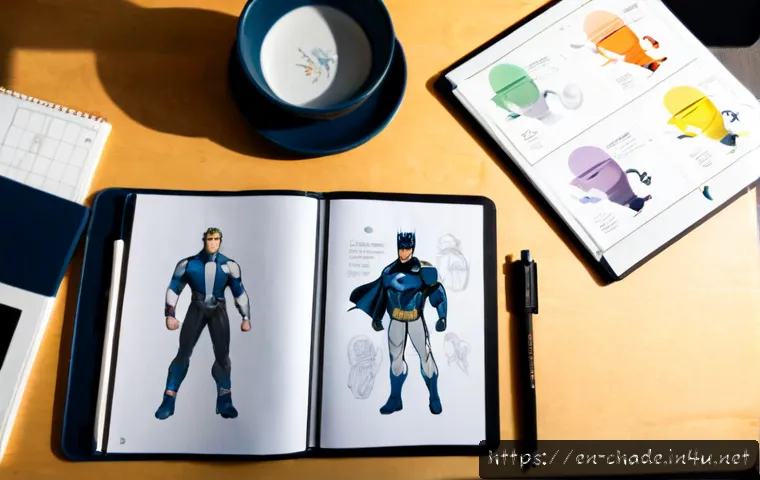
A character design certificate is worth paying for when it gives you structured practice, useful feedback, and portfolio-ready work you can show. Self-study can be enough when you can build consistent skills, finish original projects, and seek reliable critique without needing a formal completion record.
For most studios and clients, your portfolio, technical ability, communication, and fit for the project matter alongside education. Compare course platforms and certificate programs by curriculum depth, instructor access, software requirements, and the work you will actually complete.
A completion document has value as proof of study, but it should not be the main reason to enroll. The best learning path is the one that supports your target field and your available budget, tools, and time.
At a Glance
- Skills and portfolio quality usually carry more weight than a completion document alone.
- A paid course or certificate can be useful when it provides structure, feedback, and finished portfolio projects.
- Check the full cost, including digital art software, drawing hardware, critiques, and portfolio review services.
| Learning Option | Structure | Feedback Access | Portfolio Potential | Best Fit |
|---|---|---|---|---|
| Self-study resources | Flexible; you set the sequence | Usually limited unless you seek communities or reviews | Depends on your project planning and consistency | Independent learners building fundamentals at their own pace |
| Subscription art courses | Often organized into lessons or skill tracks | Varies by platform and course format | Useful when assignments lead to finished character work | Learners who want guided lessons and software tutorials |
| Certificate programs | More defined curriculum and completion path | May include instructor-led feedback | Strongest when the curriculum requires original projects | Career changers seeking structure and documented study |
| Mentorship or portfolio training | Usually goal-focused and personalized | Direct critique is often the main feature | Can help refine selected portfolio pieces | Artists who already need targeted improvement |
What Actually Helps You Learn Character Design
The fastest answer: skills and portfolio matter more than a completion document alone
A character design certificate is generally an educational credential, not a government-issued professional license. It can show that you completed a course, but it does not automatically prove that you can handle a character brief, revise designs, or create work suited to a specific production. Employers and clients commonly look at your portfolio, technical skills, communication, and project fit alongside your education.
Before paying for a certificate program, ask a simple question: What finished work will I be able to show afterward? If the answer is limited to lesson completion or scattered exercises, the course may not offer enough career-focused value.
The core learning areas: drawing fundamentals, visual storytelling, shape language, and digital workflow
Useful character design study materials usually cover more than attractive costumes or a popular rendering style. Look for anatomy references, gesture drawing exercises, perspective practice, color theory lessons, storytelling resources, and digital software tutorials. These areas help you make choices instead of relying on surface decoration.
Shape language helps communicate personality through silhouettes and proportions. Visual storytelling helps explain who a character is, what they do, and how they belong in a world. A digital workflow matters because many character artists need to organize layers, revise designs, and present final work clearly.
When structured training provides more value than collecting random tutorials
Free tutorials can be valuable, especially for focused questions. The problem is not that they are free; the problem is that they may not form a complete learning sequence. Structured online art courses can be more useful when they connect fundamentals, assignments, feedback, and portfolio development in a logical order.
A course is worth closer consideration when it explains its curriculum, identifies expected software or hardware, and shows how learners move from studies to completed work. Check the course page for curriculum details, instructor background, feedback format, and software requirements before enrolling.
Compare Self-Study Resources, Online Courses, and Certificate Programs
Free learning materials versus paid curriculum: what each option can realistically provide
Self-study gives you freedom to choose anatomy books, drawing exercises, digital painting tutorials, and visual research that suit your goals. It also requires you to decide what to practice next and whether your work is improving in the right direction. A paid curriculum can reduce that planning burden by organizing lessons and projects.
Do not assume that paid automatically means better. Compare whether a course teaches design decisions, includes practical assignments, and gives you a way to apply feedback. A certificate that documents attendance or completion may be less useful than a modest course that helps you produce strong, original character case studies.
When mentorship, critique sessions, or portfolio reviews may justify extra spending
Mentorship-based training, critique sessions, and portfolio review services can be useful when you need specific direction. For example, you may understand drawing fundamentals but struggle to create a game-ready turnaround, a consistent animation expression sheet, or a coherent character lineup.
The value depends on the quality and relevance of feedback. Ask whether feedback addresses your target career path, whether it covers revisions, and whether you can apply it to finished pieces. Do not pay only for a reviewer’s name; pay attention to the review process and the type of actionable guidance offered.
Build a Study Plan That Produces Portfolio-Ready Characters
Start with anatomy, gesture, perspective, and visual research
Begin with the foundations that support every character style. Anatomy helps you understand structure. Gesture improves movement and energy. Perspective supports believable poses, props, and environments. Visual research gives your designs context instead of making them feel like unrelated fashion choices.
A practical study plan can alternate between short exercises and longer projects. Use exercises to isolate weak areas, then apply those skills to an original character brief. This keeps study materials connected to portfolio development.
Practice character briefs, silhouettes, expressions, costumes, and turnaround concepts
Create a brief before you draw. Define the character’s role, setting, personality, movement, and visual priorities. Then explore multiple silhouettes before committing to details. This process shows that you can solve a design problem, not just create a single attractive image.
Include expressions, pose ideas, costume variations, and turnaround concepts when they fit your target field. A character intended for animation may need readable poses and emotional range. A character intended for game art may benefit from production briefs, iteration, and asset-ready presentation.
Organize finished work into case studies rather than posting isolated sketches
A portfolio becomes easier to evaluate when each project explains the design process. Show the brief, early exploration, selected direction, and final presentation where appropriate. This helps viewers understand your choices and your ability to develop an idea through revision.
Not every study needs to become a case study. Save quick sketches for practice, but use your strongest projects to demonstrate problem-solving, consistency, and clear presentation.
Match learning materials to your preferred tools and production workflow
Digital art learning may involve costs beyond tuition or course fees. Before subscribing to software or buying drawing hardware, confirm what the course requires and whether its workflow matches the tools you plan to use. Some software training is highly tool-specific, while drawing and design fundamentals can transfer across many workflows.
Review included software access carefully. Current subscription terms, licenses, discounts, refunds, and device compatibility should be confirmed directly with the provider.
Avoid Common Spending and Study Mistakes
Paying for a certificate without checking the curriculum or instructor feedback process
Do not judge a certificate program by its title alone. Look for clear lesson topics, project expectations, instructor experience, and feedback access. A completion certificate is more meaningful when it represents work you can demonstrate.
Buying software or hardware before confirming course requirements
Software subscriptions and drawing hardware can add to your total cost. Check requirements first, especially if you are comparing several course platforms. Avoid purchasing tools simply because they are popular if the training does not require them or your current setup already supports your goals.
Copying popular styles without learning design decisions and original problem-solving
Studying styles can teach useful visual vocabulary, but copying a trend does not replace design thinking. Ask why a silhouette works, why a color palette supports the character, and how a costume reflects the setting. Your portfolio should show your ability to make intentional choices.

Treating a certificate as a guaranteed hiring credential
No character design certificate can guarantee employment, freelance income, client work, or admission to another program. Recognition can vary by studio, school, employer, and country. Treat a certificate as one part of your learning record, not a replacement for a portfolio and professional communication.
Choose Resources Based on Your Creative Goal
For game character art: production briefs, iteration, turnarounds, and asset-ready presentation
Choose study resources that emphasize briefs, revision, readable design, and presentation for a production context. Look for assignments that require you to explore options and show how a character may work from multiple views.
For animation: expression sheets, pose clarity, consistency, and storytelling
Animation-focused learners benefit from materials that develop expressive poses, consistent proportions, and clear emotions. A character should remain recognizable across gestures and situations, not only in one polished illustration.
For comics and illustration: character voice, visual identity, and repeatable drawing systems
For comics and illustration, prioritize visual identity and a repeatable approach to drawing the same character. Study how costume, body language, facial expression, and color can support character voice across multiple scenes.
For freelance work: client briefs, revision planning, pricing awareness, and presentation
Freelance character commissions require more than drawing ability. Learning materials that cover client briefs, revision planning, and presentation can be helpful. Pricing terms and client expectations vary, so build a process that lets you clarify the project before you begin.
Choosing Your Best-Fit Learning Option
Checklist: curriculum relevance, instructor access, feedback quality, portfolio output, and total cost
Before choosing a self-study plan, online art course, certificate program, or mentorship, compare these points:
- Curriculum relevance: Does it match game art, animation, comics, illustration, or freelance commissions?
- Software requirements: Will you need a new digital art subscription, device, or drawing accessory?
- Feedback quality: Is critique available, and does it address revisions rather than only praise?
- Portfolio output: Will you finish original, presentable character projects?
- Total cost: Include tuition, software, hardware, mentorship, and portfolio review services.
A practical rule for deciding whether a certificate is worth the investment
A certificate may be worth the investment when the program gives you a structured route to skills you need, feedback you can use, and work that improves your portfolio. If you mainly need fundamentals and can stay organized independently, carefully selected self-study resources may be the better fit.
Questions to ask before enrolling in a course or paying for a review service
Ask what projects you will complete, how feedback is delivered, what software is required, and whether the course supports your intended field. Also ask what happens if the learning format does not fit your schedule or current skill level. Official course pages are the best place to check current curriculum details, software terms, and total cost conditions.
Closing Thoughts
The best character design study resources are not necessarily the most expensive or the most heavily branded. Choose materials that help you practice fundamentals, complete original work, and understand feedback. A certificate can support your learning story, but your portfolio is where your design decisions become visible. Build a path that fits your creative goal and lets you keep producing finished work.
Useful Things to Know
1. Keep a record of your briefs, sketches, revisions, and final pieces so you can later build case studies.
2. Software tutorials are useful, but they should support design practice rather than replace it.
3. A focused portfolio review can be more useful than adding another unrelated course.
4. Compare the full learning experience, not only the certificate title or course completion badge.
Important Considerations
Course quality, tuition, subscription fees, instructor access, software licenses, refund policies, and recognition are not the same across providers. Confirm current details directly before spending money. Completing a program does not guarantee work, income, client commissions, school admission, or a role at a particular studio.
Frequently Asked Questions
Q1. Is a character design certificate worth paying for?
A1. It can be worth paying for if it provides a relevant curriculum, useful instructor feedback, and portfolio-ready projects. A certificate alone has limited value if it does not help you demonstrate stronger character design skills.
Q2. What study materials do beginners need for character design?
A2. Beginners can start with anatomy references, gesture and perspective exercises, color theory lessons, storytelling resources, and digital software tutorials. The best combination depends on your current drawing level, preferred tools, and intended career direction.
Q3. Do studios hire character designers without a certificate?
A3. Employers commonly assess portfolios, technical skills, communication, and project fit alongside formal education. A certificate may document study, but it is not the only route to showing that you can create suitable work.
Q4. How should I compare the cost of an online art course and a mentorship program?
A4. Compare the complete cost rather than the initial fee alone. Include course tuition, digital art software subscriptions, hardware needs, feedback access, portfolio review services, and whether the program produces work you can use in your portfolio.