Global character design is moving toward adaptable systems, inclusive casting, platform-aware silhouettes, and clearer licensing. Learn which trends fit games, animation, brands, and merchandise—and when professional design support is worth the budget.
A globally relevant character style is usually a flexible system, not a single fashionable illustration. For brands, games, and animation projects, clear silhouettes, readable emotion, and well-defined usage rights matter more than copying a trend.
The best direction depends on where the character will appear, how often it will be adapted, and whether it must work across markets. Simplified graphic styles can suit digital branding, while expressive or detailed styles may fit games, animation, and collectible merchandise.
Before comparing character design service pricing, define the required assets, commercial licensing scope, and production support. A portfolio should show more than attractive hero art—it should demonstrate consistency across poses, sizes, and formats.
Trend popularity can inspire a project, but it does not guarantee audience engagement or sales.
At a Glance
- Choose a reusable character system when the design must work on social media, mobile screens, animation, packaging, and merchandise.
- Prioritize silhouette, color blocking, and facial expression so the character remains recognizable at small sizes and in motion.
- Confirm licensing, cultural review, accessibility, and AI-related terms before approving final artwork for global release.
| Trend Direction | Best Use Case | Production Complexity | Localization Risk | Recommended Design Support |
|---|---|---|---|---|
| Simplified graphic characters | Brands, apps, social content | Lower to moderate | Moderate; review symbols and color meaning | Freelancer or small specialist team |
| Expressive stylization | Games, animation, creator-led content | Moderate | Moderate; gestures and humor may need review | Experienced freelancer or studio |
| Detailed illustration or realism | Campaigns, premium packaging, collectibles | Higher | Higher; costume and references require care | Specialist studio or coordinated in-house team |
What Defines a Globally Relevant Character Style Today
The Short Answer: Flexible Systems Outperform One-Off Trend Chasing
A strong global character is designed to travel. It should remain useful when cropped for a profile image, animated in a short video, printed on packaging, or adapted for merchandise. That is why a character design system is often more valuable than one polished key visual.
Flexible does not mean generic. It means the character has clear rules: recognizable proportions, approved colors, repeatable expressions, and visual details that can be simplified without losing identity. A style can feel current while still having a structure that supports future production.
Why Silhouette, Emotion, and Context Matter More Than Decoration
Small screens and fast-moving content make clarity important. A readable silhouette, distinct color blocking, and understandable facial expressions help viewers recognize a character quickly. These basics are especially useful for mobile interfaces, social media posts, game icons, and animation.
Decoration can add personality, but it can also create production friction. Fine patterns, complicated accessories, and highly detailed rendering may require more time when a character needs multiple poses, revisions, animation frames, or merchandise adaptations.
Trends to Treat as Inspiration Rather Than a Mandatory Template
Stylized proportions, bold graphic shapes, expressive faces, and illustration-led branding can all be useful directions. However, no single art style is preferred in every country, platform, or audience segment. Treat visual trends as a starting point for exploration, not evidence that a project will perform better.
Compare the Major Visual Directions Before Choosing One
Simplified Graphic Characters for Brands and Digital Products
Simplified characters are often practical for visual branding because they can remain clear at small sizes and adapt across many channels. They may work well in onboarding screens, social posts, editorial graphics, packaging accents, and customer communications.
The key question is whether the design still feels distinctive when reduced. Ask for examples showing the character as an icon, full-body illustration, and cropped digital asset before selecting a designer or agency.
Expressive Stylization for Games, Animation, and Social Content
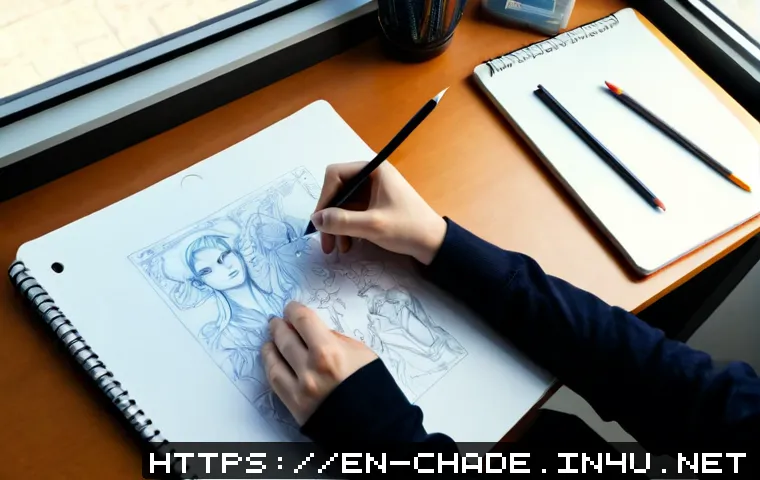
Games and animation often need characters with a broader emotional range. An expressive stylized design can support reactions, movement, dialogue, and recurring content. For this direction, a beautiful front-facing illustration is not enough; the team needs evidence that the character can hold up in multiple poses and angles.
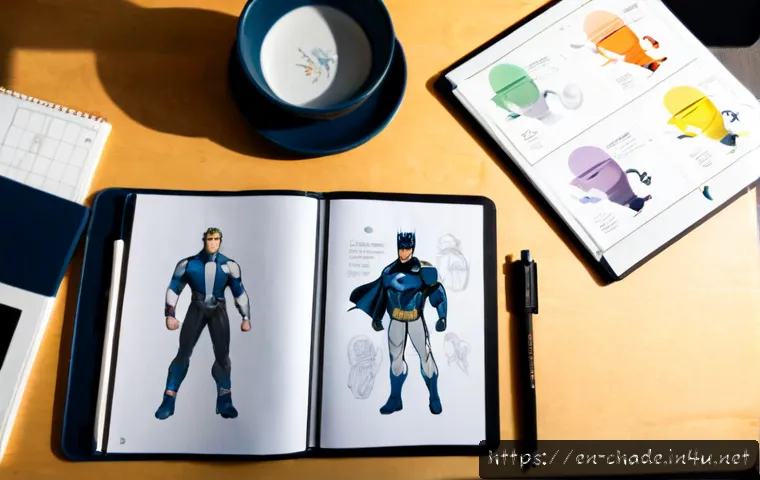
Request expression sheets, pose examples, and turnaround views. These materials help writers, animators, marketers, and external production partners interpret the character consistently.
Detailed Illustration and Realism: Where Production Costs Increase
Detailed illustration or realism can suit premium campaigns, story-led products, packaging, and merchandise where visual richness is central to the concept. The trade-off is production complexity. Detailed costume elements, lighting, textures, and realistic proportions can make revisions and multi-format adaptation more demanding.
When requesting a design quote, describe the expected production format. A design intended only for a campaign image may need a different scope from a character intended for animation, game art, or product packaging.
Comparison Table: Reach, Complexity, Localization, and Asset Needs
The comparison table above should guide an early decision, not replace a creative review. Consider where the character will appear first, then identify the formats it may need later. A lower-complexity style can still require substantial work if the project needs many poses, language variations, or product applications.
Build a Character System, Not Just a Single Illustration
Core Deliverables: Poses, Expressions, Turnarounds, and Color Rules
A useful character package may include turnaround sheets, expression sheets, approved poses, color specifications, and usage rules. These assets reduce uncertainty when different people create social graphics, animation, print materials, or merchandise.
Source files should also be discussed early. The needed file type, layer structure, and handoff process depend on who will continue production after the initial character design service is complete.
Designing for Mobile, Video, Packaging, and Merchandise
Test the concept in the conditions where it will actually appear. A character that looks strong on a large presentation slide may lose clarity on a mobile screen. Packaging may require simplified color areas, while animation may need readable movement and caption-compatible visual storytelling.
Accessibility also matters. Review color contrast, visual clarity, and representation choices. These considerations should be part of the design brief rather than a late-stage correction.
Planning Revisions and Approval Stages to Avoid Rework
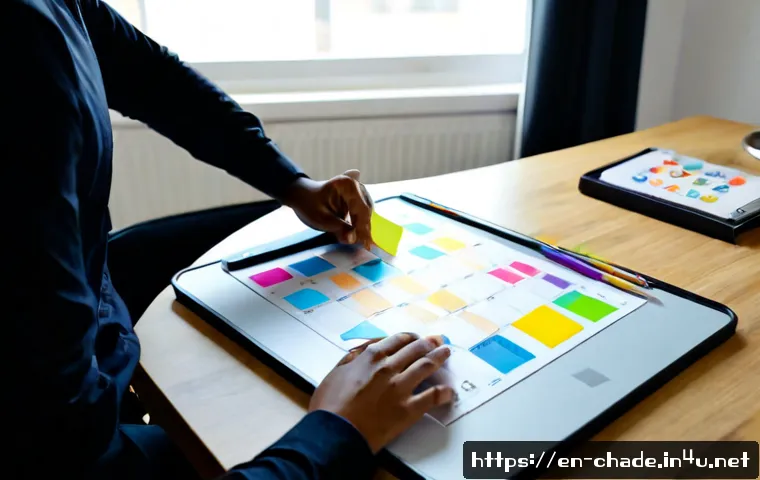
Divide approval into practical stages: concept direction, silhouette and proportions, color direction, expressions, final documentation, and production files. This approach makes it easier to identify whether feedback concerns strategy, visual taste, or a specific deliverable.
A freelance character designer, studio, or in-house artist can all work effectively when the revision process is defined. The actual budget will depend on scope, licensing, experience, delivery requirements, and the number of revisions.
Avoid Cultural, Licensing, and AI-Usage Mistakes
Review Symbols, Clothing, Gestures, and Regional Associations
Cultural references do not always carry the same meaning across markets. Review gestures, symbols, clothing details, colors, and regional associations before a global release. If a concept relies heavily on a specific cultural reference, use a review process that includes relevant market knowledge rather than relying on assumptions.
Define Commercial Usage Rights Before Production Starts
Commercial licensing can differ depending on whether the character is used in editorial material, a campaign, a game, packaging, or merchandise. Confirm the intended use cases before signing a contract or comparing design service pricing. Expanding usage later may require a new agreement or additional permissions.
Clarify Originality, Reference Material, and AI-Assisted Workflows
Generative AI has made clear contract terms more important. Discuss originality expectations, source assets, references, usage rights, and whether AI-assisted workflows are permitted or excluded. Ownership and AI-related rights depend on the applicable contract and jurisdiction, so teams should verify the terms relevant to their project.
Match the Trend to Your Project and Production Budget
Startups and Small Brands: Prioritize Versatile, Reusable Assets
Smaller teams can benefit from a focused character system that supports repeat use. Start with the core identity, a manageable expression range, and a small set of approved poses. This can provide more long-term value than commissioning many unrelated illustrations.
Game and Animation Teams: Prioritize Production-Ready Documentation
Game art and animation projects need documentation that other creators can follow. Turnarounds, expression sheets, color rules, pose guidance, and source-file expectations should be part of the brief. Portfolio selection should focus on evidence of production readiness, not only polished concept art.
Campaigns and Merchandise: Prioritize Licensing and Consistency
For campaigns and merchandise, consistency and commercial usage rights deserve early attention. A character may appear in print, packaging, product pages, promotional video, and physical items. Clarify those channels before requesting quotes so vendors can scope the work accurately.
Selection Criteria and Comparison Summary
When a Freelancer Is Enough and When a Studio May Be a Better Fit
A freelance character designer may be a suitable choice for a focused brief, a clear art direction, and a limited set of deliverables. A specialist studio may be more appropriate when a project needs coordinated illustration, animation, localization review, production management, or multiple contributors. An in-house team can be valuable when the character requires ongoing development and frequent updates.
Questions to Ask Before Comparing Design Quotes
Before comparing character design quotes, check these points:
- Which commercial usage rights are included?
- How many revision stages are defined?
- Will source files be delivered, and in what format?
- Are turnaround sheets, expression sheets, and pose guidance included?
- What is the delivery timeline for each approval stage?
- How are originality, reference assets, and AI-assisted workflows handled?
For portfolio details, licensing scope, and delivery conditions, check the relevant service page or proposal before making a final selection.
Final Checklist for a Character Style That Can Scale Globally
Choose a style that remains recognizable at different sizes, has rules for repeated use, and is appropriate for the intended markets. Confirm the character’s production needs before judging a quote by price alone. The strongest choice is usually the one that fits the project’s real formats, approval process, and licensing needs.
In Closing
Global character design is less about finding one universal look and more about building a visual identity that can adapt responsibly. A clear silhouette, useful documentation, and practical usage rights create a stronger foundation than trend chasing alone. Whether you hire a freelancer, a studio, or an in-house artist, the brief should explain how the character will live beyond its first image.
Useful Things to Know
Portfolio relevance matters: Look for examples similar to your production format.
Asset planning saves time: Turnarounds, expressions, and usage rules can reduce confusion later.
Localization is a design step: Review cultural references before release, not after distribution begins.
Important Notes
There is no universally preferred character style for every audience or country. Trend popularity does not prove a style will improve sales or engagement. Design budgets, ownership, licensing, and AI-related rights require project-specific confirmation through the applicable agreement and jurisdiction.
Frequently Asked Questions
Q1. Which character design trend works best for an international brand?
A1. A flexible system is generally more useful than a single trend-led image. Choose a direction that preserves clear silhouettes, readable expressions, adaptable color rules, and culturally reviewed details across the channels your brand will use.
Q2. How much should a business budget for a custom character design system?
A2. Actual character design budgets depend on the scope, revision process, licensing, production format, designer experience, delivery requirements, and requested assets. Define the deliverables before requesting quotes so comparisons are more meaningful.
Q3. Should I hire a freelance character designer or a design studio for a commercial project?
A3. A freelancer can be a good fit for a focused project with a clear brief. A studio may be a better fit when you need broader production support, coordinated specialists, multiple formats, or more complex commercial licensing and delivery needs.