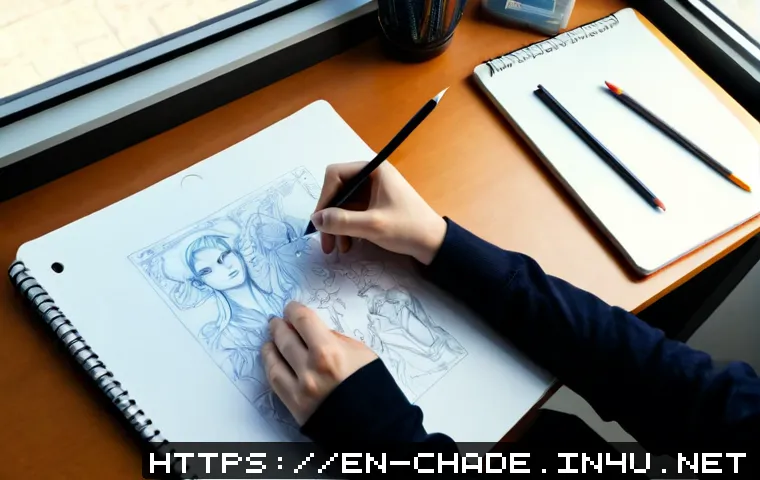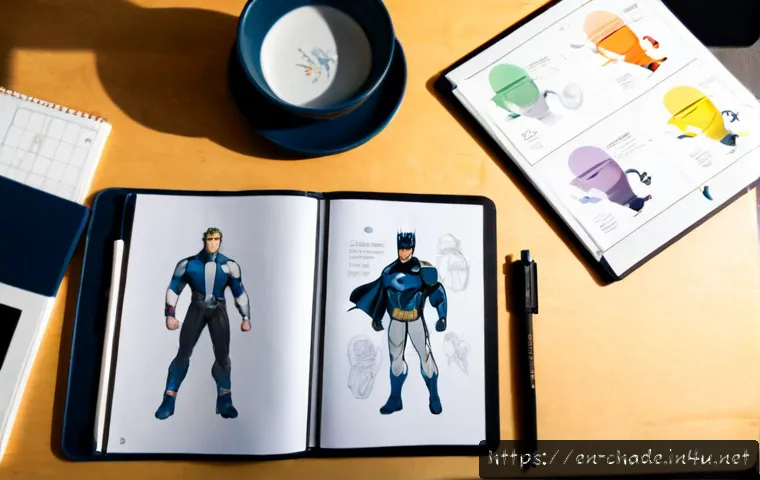
Build character design skills in this order: make the silhouette readable, clarify the character’s purpose, and add detail only after those choices work.
Strong portfolios usually show clear decisions about shape, pose, expression, costume, and story—not just polished rendering. A focused practice plan can reveal whether you need more foundational drills, a structured online course, or outside feedback.
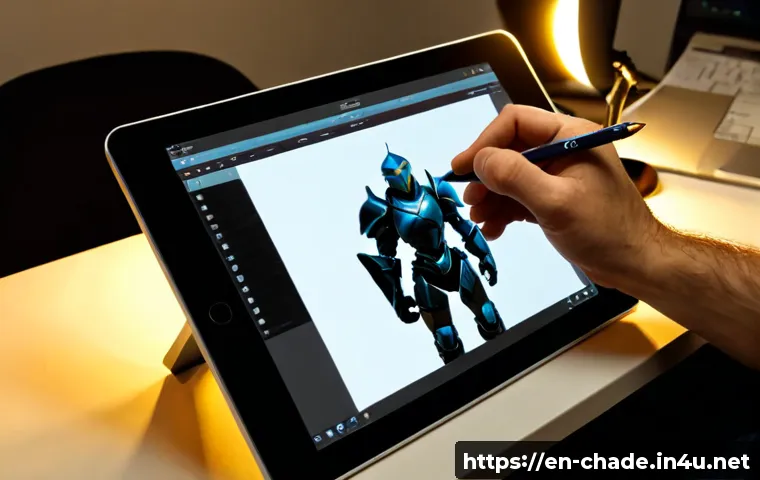
Drawing tablets and digital art software can support your workflow, but they cannot replace clear design thinking. The right next investment depends on your budget, learning style, current workflow, and portfolio goal.
Paid instruction or portfolio reviews may be useful, but they do not guarantee employment, freelance income, or admission results.
At a Glance
- Start with readability: a clear silhouette and pose should communicate before rendering begins.
- Practice by weakness: target silhouette, anatomy, expression, costume, or storytelling instead of studying everything at once.
- Buy support, not hype: choose a course, drawing tablet, software, or critique service based on the learning problem it solves.
| Practice Option | Best Use Case | What to Evaluate Before Choosing | Cost Consideration |
|---|---|---|---|
| Self-directed practice | You can identify one clear weakness and complete your own exercises. | Whether you can set briefs, compare iterations, and review mistakes honestly. | Usually the lowest-cost route, but requires consistency and self-direction. |
| Structured online course | You need lessons in a sequence, assignments, and a clearer learning path. | Curriculum depth, project relevance, feedback format, and fit with your goals. | Consider the full course cost against the structure and practice outcomes provided. |
| Mentorship or portfolio review | Your work is more developed, but you need specific direction on portfolio decisions. | Reviewer focus, critique format, actionable feedback, and portfolio fit. | Can be more targeted than a broad course, but value depends on the quality of critique. |
| Tablet or software upgrade | Your current setup actively slows sketching, file handling, or revision work. | Compatibility, brush workflow, screen preference, portability, and total setup needs. | Compare workflow gains rather than assuming a more expensive tool improves design skill. |
Start With What Makes a Character Readable
A character design should communicate something before the viewer notices the brushwork. The fastest way to improve is to solve the large visual decisions first, then use detail to reinforce them. If a small black shape is confusing, more texture will rarely make the design clearer.
Three Quick Priorities: Silhouette, Role, and Emotional Signal
Silhouette is the outer shape of the figure. It helps a viewer separate a confident hero, a cautious scholar, a heavy worker, or an agile scout at a glance. Role answers what the character does in their world. Emotional signal comes from posture, facial expression, gesture, and the relationship between shapes. These priorities give every design choice a job.
Why Detail Cannot Rescue an Unclear Design
Belts, jewelry, layered fabric, and decorative props can be useful, but they should not be used to hide weak proportion or an unclear concept. Ask whether each detail supports the character’s role, movement, history, or mood. If it does not, it may be visual noise rather than storytelling.
A Fast Self-Check Before Rendering
Reduce the design to a small thumbnail or a flat silhouette. Then ask: Can I read the pose? Is the main body shape distinct? Does the prop create a useful clue about the role? Is the emotional direction clear? If the answers are uncertain, return to thumbnails before spending time on lighting and texture.
Build Core Skills With Targeted Character Studies
General drawing practice helps, but character artists improve faster when each study has a design purpose. Choose the weak area that most limits your work, practice it directly, and apply the result in a finished character piece.
Silhouette Drills for Shape Language and Readability
Create small, simple figures using only large shape groups. Try broad, stable forms for a grounded character and narrower, angled forms for a tense or quick character. The goal is not to copy a style. It is to learn how shape language influences first impressions.
Anatomy Practice for Believable Poses Without Copying Every Muscle
Anatomy supports weight, balance, and movement. Focus on the torso, pelvis, limbs, hands, and head direction as connected forms. A pose can feel convincing without showing every muscle if the body has a readable line of action and the character appears to support their own weight.
Expression and Gesture Studies for Personality
Do not treat the face as the only source of emotion. Compare a guarded stance with an open stance, or a relaxed hand with a clenched hand. Make quick gesture studies where the character’s intent is visible even without a finished face. This is especially useful for portfolio pieces that need narrative energy.
Costume, Props, and Color Choices That Support the Character’s Role
Costume design works best when it answers practical questions. What does this character carry? What type of movement do they need? Which materials fit their environment? Use props as story clues, not decoration. For color, establish a clear value structure first; color should support focal points rather than compete across the entire image.
Compare Practice Methods, Courses, and Feedback Options
There is no single best learning route. A useful choice depends on whether your main obstacle is knowledge, consistency, workflow, or diagnosis.
Self-Guided Practice: Best for Artists Who Can Plan and Review Their Own Work
Free practice is often enough when the weakness is specific: unclear silhouettes, stiff gestures, weak hands, or overdesigned costumes. Create a narrow exercise, set a simple brief, and compare several attempts. Save the first and final versions so that improvement is visible rather than assumed.
Structured Courses: What to Check Before Paying for Instruction
An online character-design course may be useful when you need order, assignments, or a broader foundation. Compare course curricula for lesson sequence, design-focused projects, feedback access, and whether the material matches your current level. A course that teaches rendering may not solve a problem with storytelling or silhouette design.
Mentorship and Portfolio Review: When Individual Critique Offers More Value
Portfolio feedback can be valuable when you have finished work but do not know why it is not communicating the intended direction. Look for critique that identifies priorities and gives revision paths, not only praise or broad opinions. Review portfolio-feedback criteria such as reviewer specialization, submission format, and whether you can ask follow-up questions.
Drawing Tablets and Software: Upgrade Criteria Based on Workflow, Not Hype
A drawing tablet upgrade makes sense when your current device creates real friction: uncomfortable sketching, unreliable input, poor portability, or a workflow that prevents efficient revisions. Check tablet compatibility with your computer and preferred digital art software. Choose software based on how you sketch, organize layers, paint, revise, and export—not on what appears most popular.
Use a Repeatable Weekly Design Practice Workflow
A repeatable workflow turns isolated sketches into a learning system. The important part is not producing a perfect character every time. It is making decisions, testing them, and recording what changed.
Brief-Based Exercises: Design for a Job, World, or Audience
Write a short brief before drawing. Include the character’s role, setting, emotional tone, one practical requirement, and one visual constraint. For example, a character might need to travel through a harsh environment while protecting a fragile object. The brief gives costume, pose, and prop choices a reason to exist.
Thumbnail First, Selection Second, Refinement Last
Make several small options before choosing one direction. Select the version with the clearest read, then refine proportion and pose. Rendering belongs at the end, after the character already works in simple values. This order reduces the habit of polishing an idea that was unclear from the start.
How to Review Finished Work Using a Simple Scorecard

After completing a piece, score it with direct questions: Is the silhouette readable? Does the pose show intent? Does the costume support the role? Is the focal point controlled? Does the image tell the intended story? Write one revision priority for the next project instead of trying to fix every skill at once.
Keeping a Portfolio Record of Iterations and Feedback
Keep thumbnails, selected sketches, revisions, and notes together. This record helps you see whether feedback led to a clearer result. It also shows how you make decisions, which can be useful when preparing an illustration portfolio with purposeful development rather than unrelated finished images.
Avoid the Most Common Skill-Building Mistakes
Many character designs become crowded because artists move to finishing steps before the visual problem is solved. A simpler design with clear intent is usually more useful for training than a complicated design with no hierarchy.
Rendering Before Solving Proportion and Pose
Detailed lighting can make a weak drawing look temporarily impressive, but it does not repair balance, gesture, or proportion. Keep early stages simple enough that structural problems remain visible.
Adding Random Details Instead of Visual Hierarchy
Visual hierarchy tells the viewer what to notice first, second, and last. Reserve the strongest contrast and most specific detail for important areas. If every area has the same level of complexity, the character can feel busy but unreadable.
Designing Without a Character Brief or Practical Role
Without a brief, choices can become arbitrary. Even a short role description creates useful limits and makes it easier to judge whether a costume, tool, pose, or expression belongs in the design.
Collecting Tutorials Without Completing Focused Projects
Tutorials can introduce methods, but passive watching does not replace application. Finish small projects that test one idea. Then review the result before starting another lesson. A completed exercise gives you evidence about what you understand and what still needs work.
Choosing the Right Next Step for Your Budget and Goals
Before spending money, identify the exact problem you want to solve. The best option is the one that creates a clearer practice outcome, not the one with the most features or the strongest marketing.
Choose Free Drills When One Foundational Weakness Is Clear
Use free drills when you can name the issue and create a test for it. Silhouette thumbnails, pose studies, expression sheets, and costume breakdowns are practical choices when your gap is focused.
Consider a Course When You Need Sequence, Assignments, and Structure
Consider structured training if you repeatedly switch topics, struggle to finish work, or need a guided progression. Check whether the assignments produce portfolio-relevant character design work rather than isolated demonstrations.
Consider Critique When Your Portfolio Is Polished but Not Getting the Intended Response
Individual critique may help when your work looks finished but viewers misunderstand the character, role, or target direction. Ask for feedback on clarity, consistency, and presentation rather than only asking whether the art looks good.
Compare Tools and Training by Learning Outcome, Time Saved, and Total Cost
Compare a drawing tablet, digital art software subscription, online course, or portfolio review by the specific outcome it supports. Consider setup requirements, time commitment, compatibility, feedback quality, and whether the option fits your actual practice routine.
Selection Criteria and Comparison Summary
Use these checks before making your next investment: identify the weakest skill, decide whether you need information or feedback, confirm that the format fits your schedule, check tablet and software compatibility, review the full cost, and connect the choice to a portfolio goal. Compare course curricula when you need structure, check tablet compatibility when your workflow is limited, and review portfolio-feedback criteria when your main need is clearer professional direction. Official details and current terms should be checked on the relevant provider’s page before purchasing.
Closing Thoughts
Character design improves through clearer decisions, not through detail alone. Start with readable shapes, a purposeful role, and an emotional signal that works at thumbnail size. Then use anatomy, costume, color, and rendering to support that foundation. Whether you practice independently or use training and feedback, keep each project focused on one measurable learning goal.
Useful Things to Know
1. A stronger silhouette can improve a design before any rendering is added.
2. A short character brief prevents random costume and prop choices.
3. Saved iterations make progress easier to evaluate.
4. The most suitable art tool depends on workflow, compatibility, and personal preference.
5. Feedback is most useful when it leads to a specific revision decision.
Important Notes
The most suitable software, tablet, course, mentorship, or review service depends on budget, location, workflow, learning style, and portfolio goals. Improvement speed varies with previous drawing experience, practice consistency, project difficulty, and feedback quality. Paid courses and portfolio reviews can offer structure or direction, but they do not guarantee work opportunities, freelance income, or admission outcomes.
Frequently Asked Questions
Q1. What should I practice first to improve character design quickly?
A1. Start with readable silhouettes, simple poses, and a clear character role. These reveal whether the design communicates before you spend time on costume detail or rendering. Choose one weak area at a time and apply it in a finished design exercise.
Q2. Are paid character design courses worth the cost for beginners?
A2. They may be useful if you need a lesson sequence, assignments, and structure. Before paying, compare course curricula, project types, feedback options, and whether the material matches your current skill level. A paid course is not automatically better than focused self-guided practice.
Q3. Do I need an expensive drawing tablet to create a strong character design portfolio?
A3. No single tablet price level guarantees stronger work. A tablet can be worth considering if your current setup limits comfort, sketching, revision speed, or compatibility with your preferred software. Strong portfolio pieces still depend on clear design choices, practice, and revision.