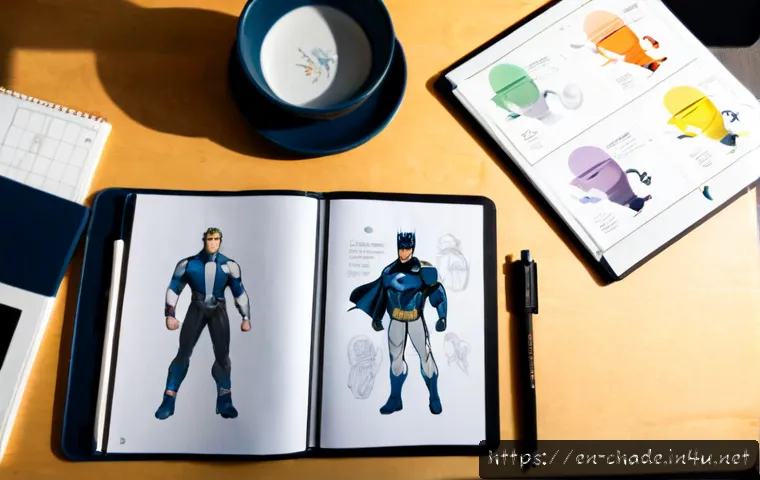
Prepare a clear target range, connect your portfolio to production value, and review the full compensation package before you respond. A stronger character design negotiation is not only about asking for more salary; it is about matching pay and terms to the role’s scope, responsibilities, and creative rights.

This matters whether you are reviewing a new offer, pursuing a promotion, or setting freelance terms. Salary benchmarking tools can help you organize your research, while a well-presented portfolio gives the conversation concrete evidence.
The goal is not to make unsupported market claims, but to explain what you can contribute and what you need to accept the role confidently. Keep the discussion professional, specific, and focused on the complete offer.
At a Glance
- Set a target range, a minimum acceptable outcome, and your non-salary priorities before discussing an offer.
- Compare base pay, benefits, bonus or equity, workload, ownership, and growth support as one package.
- Use portfolio examples that show design quality, production constraints, collaboration, and final-use value.
| Decision Area | What to Review | Why It Matters for Character Designers |
|---|---|---|
| Base Salary | Offer amount, review cycle, and title level | It affects immediate income and may shape future compensation discussions. |
| Bonus and Equity | Eligibility, conditions, timing, and documentation | These may change the overall package, but should be understood separately from guaranteed pay. |
| Benefits and Support | Health coverage, retirement contributions, paid leave, learning budget, and remote-work support | These can materially affect the practical value and sustainability of a role. |
| Creative Terms | Ownership transfer, licensing, portfolio-use permission, revisions, and overtime expectations | Character work often has long-term intellectual-property and workload implications. |
| Career Growth | Mentorship, art direction exposure, leadership scope, and production credits | A role can build skills and portfolio depth, but that opportunity should be weighed against the full terms. |
Start With a Clear Compensation Goal
Before a salary negotiation, decide what outcome you are trying to reach. A vague request for “better pay” is harder to discuss than a clear position based on the role, your responsibilities, and the total offer. Your goal can include salary, but it can also include title, creative ownership terms, flexibility, professional development, or a more defined revision process.
Set a target range, a realistic minimum, and non-salary priorities
Create three internal reference points: a target range, a minimum acceptable outcome, and a short list of priorities you would trade for or protect. Your range should reflect research relevant to your location, employment type, seniority, company size, and target industry. Character design work in games, animation, publishing, marketing, licensing, and product teams can carry very different scopes.
Use salary research tools as a starting point, not as proof that one employer must match a specific figure. If the role includes art direction, management, licensing responsibilities, ownership transfer, or unusual overtime expectations, note those separately. They may justify a different conversation than a standard production role.
Practical rule: know what you will ask for, what you can accept, and what terms would make you walk away or request changes.
Prepare a short value statement tied to the role
Your value statement should be brief enough to say naturally in a call or write in an email. Focus on what the employer needs and how your experience fits that need. Avoid treating your portfolio as a gallery of attractive images only; explain how your work supports a production process.
For example: “Based on the scope of the role and my experience developing character concepts through feedback, handoff, and final-use requirements, I would like to discuss a compensation package that reflects that responsibility.”
This approach is stronger than making a general claim that your work is “high quality.” It gives the hiring manager or recruiter a reason to assess your contribution in the context of their team.
Compare the Entire Offer, Not Just the Salary
A higher salary is important, but it is not the only term that affects whether a job works for you. Review every part of the offer in writing where possible. If a term is unclear, ask what it means before treating it as part of the package.
Base pay versus bonus, equity, and benefits
Base pay is usually the most direct part of compensation, but it is only one category. Bonuses and equity may be included in an offer, yet their conditions, timing, and value can differ. Benefits may include health coverage, retirement contributions, paid leave, learning budgets, and remote-work support.
Do not assume that a lower base salary is automatically offset by another item. Instead, ask what is guaranteed, what is conditional, and what documentation applies. This is especially useful when comparing one role with strong benefits against another role that emphasizes bonus potential or creative freedom.
Creative ownership, overtime expectations, and revision scope
Character design may involve intellectual-property responsibilities that go beyond a standard job title. Ask whether the role includes ownership transfer, licensing-related work, approval responsibility, or restrictions on using work in your portfolio. If you are considering freelance or contract work, clarify who owns the final assets, what use is permitted, and whether portfolio display requires approval.
Also ask about revision scope, feedback flow, delivery expectations, and overtime practices. A role with a higher salary may still be a poor fit if deadlines, approvals, or workload expectations are unclear. The purpose is not to assume a problem; it is to understand the working conditions before accepting.
A simple offer comparison table for character design roles
| Offer Item | Questions to Ask | Your Notes |
|---|---|---|
| Salary or Contract Rate | What is guaranteed? When is compensation reviewed? | Compare against your target and minimum. |
| Role Scope | Is the work concept design, production art, art direction, management, or cross-team support? | Check whether the title matches the actual responsibility. |
| Benefits and Leave | Which benefits are available, and when do they begin? | List items that affect your day-to-day stability. |
| Ownership and Portfolio Rights | Can you show approved work later? Are there licensing or confidentiality restrictions? | Review the written terms carefully. |
| Workload | What are the deadlines, revision process, remote expectations, and overtime policies? | Look for clarity, not assumptions. |
| Growth Support | Is there mentorship, training, feedback, or a path toward senior or art-direction work? | Decide how much future growth matters to you. |
Build a Case From Your Portfolio and Production Impact
Your portfolio can support a compensation conversation when it explains how you work, not just what you made. The most useful examples show visual decision-making alongside real production considerations. This helps an employer see how you may contribute within their pipeline.
Show design quality alongside pipeline, collaboration, and delivery value
For selected projects, show the process from early exploration to final-use assets where permitted. Explain the constraints you worked within: a style guide, technical requirements, feedback from another discipline, a deadline, or a need for multiple variants. This gives context to your visual skill.
A strong portfolio case study may show:
- How you explored silhouette, personality, costume, or readability.
- How you incorporated feedback without losing the core design intent.
- How you prepared work for animation, game production, publishing, marketing, or licensing use.
- How you collaborated with artists, writers, modelers, animators, producers, or brand stakeholders.
Portfolio hosting platforms can be useful when they let you organize this context clearly. Keep confidential material protected and follow any existing agreements before publishing project details.
Explain work that supported games, animation, licensing, or marketing goals
The same character design ability can create different value depending on the team. In games, the discussion may involve production handoff and cross-disciplinary collaboration. In animation, it may involve clarity, consistency, and adaptation across a production pipeline. In publishing, marketing, product, or licensing work, the emphasis may include brand alignment and final-use requirements.
You do not need to claim that one design directly created commercial results unless you can verify that connection. Instead, describe your role accurately: what you were responsible for, who you worked with, what constraints existed, and how the work was used.
Avoid overstating results you cannot verify
Credibility matters in a salary negotiation. Say “I contributed to” rather than taking sole credit for a team outcome. Say “the work was used in” when that is what you know. If you cannot disclose a project or its results, explain the type of challenge without revealing confidential details.
Clear evidence beats inflated language. Employers can evaluate a thoughtful process explanation more easily than an unverified claim about sales, engagement, or audience impact.
Handle the Negotiation Conversation Professionally
Negotiation does not need to sound confrontational. The best conversations are direct, appreciative, and specific. Give yourself enough time to understand the offer, then respond with a clear request and a reason connected to the position.
Ask for time to review an offer
When you receive an offer, thank the employer and ask for time to review the details. You can say: “Thank you for the offer. I’m excited about the role and would like time to review the complete compensation package, responsibilities, and terms before I respond.”

This is especially important when the offer includes benefits, bonus eligibility, equity, remote-work support, confidentiality requirements, or creative ownership provisions. Avoid accepting verbally before you understand the written details.
Use a clear counteroffer structure
A useful counteroffer has four parts: appreciation, enthusiasm, your request, and the reason for it. Keep the request focused. If you ask for changes to several terms, organize them by importance rather than presenting an unstructured list.
Example: “I appreciate the offer and remain very interested in contributing to the team. After reviewing the role’s scope and the expectations around character development and collaboration, I would like to discuss a higher base salary within my target range. I would also like clarification on portfolio-use permissions and the review process.”
If you are working with a recruiter, be consistent about the priorities you share. Recruiter services can help coordinate communication, but you should still review the final terms yourself.
Respond when the employer says the budget is fixed
A fixed budget does not automatically end the conversation. Ask whether there is flexibility in other areas, such as title, review timing, learning support, remote-work arrangements, paid leave, or clearly defined responsibilities. Do not assume every item is negotiable, but it is reasonable to ask what alternatives are available.
If the package still does not meet your minimum, respond professionally: “Thank you for clarifying the budget. I appreciate the conversation. Based on the overall terms, I need to consider whether the role fits my current priorities.” This preserves the relationship without accepting a package that does not work for you.
Adjust Your Approach by Career Situation
The right negotiation strategy depends on whether you are entering an in-house role, seeking a promotion, or pricing project-based work. The common foundation is the same: clarify scope, show relevant value, and confirm terms before agreeing.
Negotiating a first in-house character design role
For a first in-house role, emphasize readiness to contribute within a team. Your portfolio may not include extensive leadership or large-scale production examples, and that is fine. Focus on design fundamentals, responsiveness to critique, process documentation, and evidence that you can work within a style or production constraint.
You can still negotiate respectfully. Ask about title, expectations, benefits, mentorship, feedback, and when compensation is reviewed. A lower initial salary may be one factor to weigh, but it should not prevent you from reviewing the entire role carefully.
Requesting a raise or promotion in a current role
A raise or promotion request is strongest when it connects your current work to expanded responsibility. Gather examples of work you have taken on beyond the original scope: leading a design area, improving handoff, mentoring, coordinating feedback, supporting multiple teams, or taking on art-direction responsibilities.
Frame the discussion around the present role and future expectations. Ask what criteria are used for a title change or compensation review. If the answer is not immediate, request a clear follow-up process rather than relying on a vague promise.
Setting rates and terms for freelance or contract projects
For freelance character design, the rate is only one term. Define the deliverables, number and type of revision stages, timeline, payment schedule, usage rights, ownership transfer, and cancellation conditions. A lower rate with unrestricted rights and open-ended revisions may not be comparable to a higher rate with limited scope.
Contract-review support may be worth considering when terms involve licensing, intellectual property, exclusivity, or broad ownership language. Review what you are agreeing to before work begins, particularly when the final assets may be used across multiple channels.
Selection Criteria and Offer Comparison Summary
Before you accept, compare the offer against the following decision points:
- Salary: Does the guaranteed base pay meet your minimum and support your priorities?
- Scope: Does the title reflect the actual level of design, collaboration, leadership, or ownership responsibility?
- Benefits: Have you reviewed health coverage, retirement contributions, paid leave, learning support, and remote-work arrangements?
- Creative terms: Are portfolio rights, ownership transfer, licensing responsibilities, confidentiality, revisions, and overtime expectations clear?
- Growth: Will the role provide useful mentorship, production experience, or a credible path toward your next career step?
Compare the Full Offer Before You Accept: use salary research tools for context, review your portfolio presentation for role-specific evidence, and consider contract-review support when creative ownership or licensing terms are significant. Official offer details and full conditions should be checked in the relevant documents before you decide.
Closing Thoughts
A character design salary negotiation works best when it is prepared, factual, and tied to the role you are being asked to perform. You do not need to make dramatic claims to make a strong case. Show your portfolio value, ask clear questions, and evaluate the full package. The right decision is the one that fits both your immediate needs and your longer-term creative career direction.
Useful Information to Keep in Mind
1. Salary ranges can vary by location, seniority, employment type, company size, and intellectual-property responsibilities.
2. A portfolio is more persuasive when it includes process, collaboration, constraints, and final-use context.
3. A job title alone may not reveal the true scope of a character design role.
4. Written terms matter, especially for freelance work, licensing, ownership, and portfolio permissions.
Important Notes
Specific market pay, employer budgets, bonus value, equity value, and benefit details cannot be assumed without current information. Confirm the exact role scope, work location, employment classification, contractual terms, and written offer conditions. If an agreement includes complex ownership transfer, licensing, confidentiality, or overtime language, review those provisions carefully before accepting.
Frequently Asked Questions
Q1. How much should a character designer ask for during salary negotiations?
A1. Ask for an amount or range based on your research, role scope, seniority, location, employment type, and total-compensation priorities. Because these factors vary, use a target range and a realistic minimum rather than relying on a universal number.
Q2. Should character designers negotiate salary if the job offer already matches the posted range?
A2. You can still negotiate if the responsibilities, experience you bring, or total terms support a discussion. You may also ask questions about benefits, review timing, title, workload, creative ownership, and portfolio rights. A posted range does not answer every part of the offer.
Q3. Is a lower salary acceptable if a character design role offers strong portfolio opportunities?
A3. It can be a personal trade-off, but portfolio opportunity should not be treated as a substitute for clear compensation and workable terms. Consider whether the role provides meaningful production experience, mentorship, portfolio-use permission, and sustainable conditions alongside the salary and benefits.