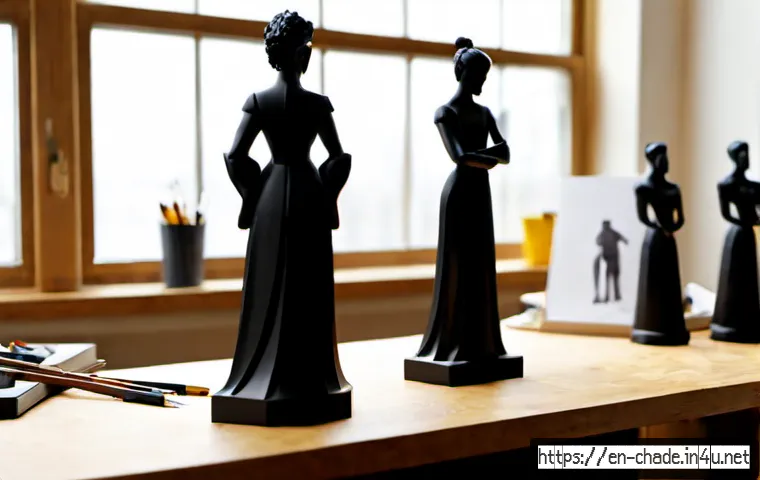
A strong character design portfolio is a focused set of projects that shows your visual storytelling, construction skills, shape language, and ability to respond to a brief.
Use a portfolio website for an adaptable public showcase, a concise PDF for direct submissions, and a curated social profile as supporting discovery material.
Start by deciding whether you want studio work, freelance commissions, or an art-school application, then select work for that purpose. Lead with your strongest and most relevant project because reviewers may form an impression quickly from the first images and thumbnails.
Paid hosting, design software subscriptions, and professional feedback can be useful when they improve presentation or help meet the expectations of a specific target role.
At a Glance
- Build around a clear goal: studio applications, freelance character design, or school submissions.
- Show finished designs first, then include process work that proves deliberate design decisions.
- Choose a website, PDF, or social profile based on the reviewer’s needs and submission requirements.
| Format | Control and Presentation | Update Speed | Cost Considerations | Best Use |
|---|---|---|---|---|
| Portfolio website | High control over project order, navigation, branding, and case-study layout. | Easy to revise as work improves. | May involve portfolio hosting, a domain, templates, or other website-builder features. | Ongoing public portfolio for studios, clients, and referrals. |
| Shareable PDF | Strong control over page sequence and a consistent review experience. | Requires exporting and replacing the file after changes. | May be created with existing design software; check submission requirements before sending. | Applications, email submissions, and reviewers who need one concise document. |
| Curated social profile | Less control over how viewers browse, but useful for visibility and quick updates. | Fast to post new work. | Platform tools and optional promotion features can vary. | Discovery, sharing work-in-progress, and directing viewers to a main portfolio. |
Start With a Portfolio Goal, Not a Collection of Favorite Images
Your portfolio should answer one practical question: what kind of character design work do you want to be considered for? A favorite image may still belong in the portfolio, but it should support that answer rather than interrupt it. A reviewer needs to see a coherent direction, not every style or experiment you have made.
Define whether you are applying to studios, seeking freelance clients, or preparing for school
A studio application may need work that feels relevant to a production pipeline and a particular audience. Freelance clients may look for designs that fit their intended usage, such as publishing, games, or other commissioned creative work. A school submission may require a different format or set of materials, so confirm the stated requirements before finalizing your selection.
Match your work to the type of character design work you want to be hired for
If you want to design expressive stylized characters, make that strength visible early. If you want to show adaptable design thinking, include projects that demonstrate different briefs, audiences, costume needs, or visual directions. Range is useful only when it remains readable. A portfolio that jumps between unrelated approaches without context can make your intended role harder to identify.
Use a three-line portfolio summary at the top of your site or PDF
Add a short introduction before the work: your role, the character design focus you offer, and the kind of opportunities you are seeking. Keep it direct. This helps a client, recruiter, or admissions reviewer understand how to read the portfolio without searching through an artist statement.
Choose the Right Portfolio Format: Website vs PDF vs Social Profile
The best format depends on how your work will be reviewed. A polished portfolio website is flexible, a PDF is controlled and compact, and a social profile can make work easier to discover. They can work together, but each should have a clear job.
Compare control, presentation quality, update effort, and cost considerations
A portfolio website gives you room for project pages, thumbnails, contact details, and a focused visual sequence. A PDF gives you a fixed order, which can be helpful when an application portal or client proposal requests a single document. A social profile is useful for sharing, but its feed format should not replace a deliberately organized portfolio when a reviewer needs to evaluate your process.
When a portfolio website is worth paying for
Paid portfolio hosting or a premium template can be worth considering when it improves navigation, image presentation, mobile viewing, or project organization. It may also be useful if you need a professional home for ongoing freelance inquiries. Before choosing a portfolio website builder, compare how it handles galleries, custom pages, contact options, loading behavior, and the ability to update work without rebuilding the site.
When a concise PDF is the better submission format
Use a PDF when a studio, school, client, or application portal asks for one, or when you need to present a tightly edited sequence. Build it like a short presentation: strong opening, clear project flow, and an easy-to-find contact section. Avoid making the file feel like a compressed archive of everything you have ever drawn.
Build Projects That Show Your Character Design Process
A finished illustration can attract attention, but supporting development material explains why the design works. The goal is not to show every sketch. The goal is to show enough evidence of intentional visual problem-solving.
Lead with a polished final character and support it with relevant development work
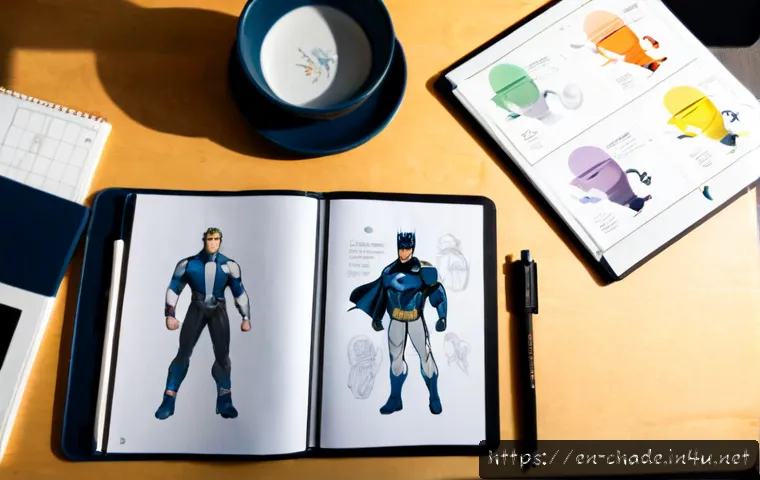
Start each project with the strongest final image or a clear character lineup. Follow it with selected exploratory sketches, silhouette exploration, construction work, or key decisions that led to the final result. This makes the project easier to scan while showing that the final image was designed rather than merely rendered.
Include turnarounds, expressions, poses, props, costumes, and scale when useful
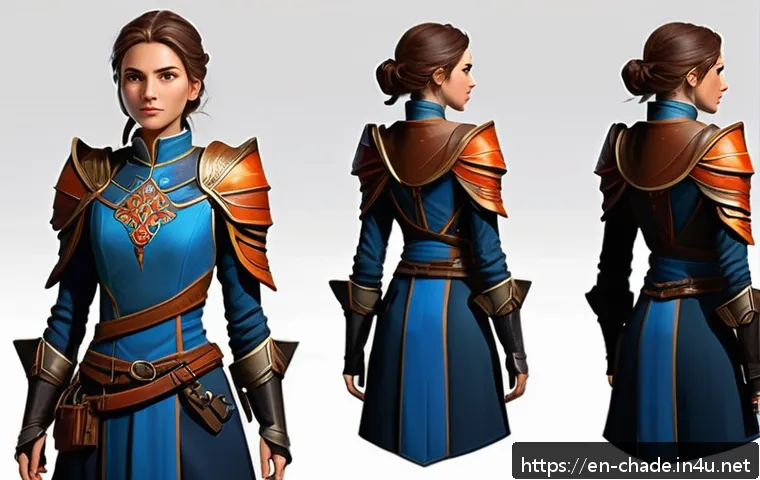
Choose supporting material based on what the project needs to communicate. Turnarounds can clarify a design from multiple views. Expression sheets can show personality and acting range. Costume variations can show how the character changes across roles or settings. Props and scale references can explain function, world context, or production needs. Do not add a sheet simply because it is expected; include it when it strengthens the reviewer’s understanding.
Explain the brief, audience, and design choices without overloading the page
A short project context is enough: state whether the brief was personal or commissioned, identify the intended audience or use, and mention the main design choices. For a personal project, explain the creative problem you set for yourself. Personal work can be highly relevant when it presents clear decisions and a complete, purposeful outcome.
Organize the Work So a Reviewer Can Judge It Quickly
Recruiters and clients often review portfolios quickly, so sequencing is part of the design. Your first thumbnails, first project, and first final image should communicate your strongest relevant capability without requiring explanation.
Put your strongest and most relevant project first
Open with a project that matches the opportunity you want. If you are contacting a game team, prioritize work that supports that type of character design direction. If you are seeking freelance illustration work, open with a project that makes your commission-ready strengths clear. Save experiments that need extra explanation for later, or remove them.
Create a clear visual sequence from concept to final design
A useful sequence often moves from the finished character to selected development work, then returns to practical design views such as expressions, costumes, or turnarounds. Keep captions close to the artwork they explain. A reviewer should not have to guess which sketch belongs to which final design.
Remove repetitive pieces, weak experiments, and unrelated styles
Edit with purpose. Several images that prove the same skill can slow the portfolio down. Work that looks unfinished may reduce confidence unless it is clearly presented as an intentional development stage. If a style is unrelated to your target role, it may belong on a separate page or outside the submission entirely.
Avoid Portfolio Mistakes That Reduce Trust
Trust comes from clarity as much as visual skill. Make authorship, role, context, and contact information easy to verify. A polished layout cannot compensate for unclear ownership or confusing presentation.
Do not rely only on isolated headshots or fan art without design context
Headshots can show appeal, rendering, and expression, but they may not demonstrate full-body construction, costume logic, pose, or shape language. Fan art can show enthusiasm and interpretation, yet it should not be the only evidence of your design ability. Include original or clearly transformed design work that shows your own decisions.
Label collaboration roles and distinguish original work from derivative work
For collaborative projects, state exactly what you designed or illustrated. If another person created the concept, model, environment, or final asset, make that distinction visible. Clearly label original characters, commissioned work, and work based on existing properties. This protects credibility and helps viewers evaluate your contribution fairly.
Check image resolution, mobile viewing, load speed, contact details, and permissions
Review the portfolio as a visitor would. Check whether images are clear, pages work on mobile devices, and galleries load without creating a frustrating experience. Confirm that your email or preferred contact method is easy to find. For client work, make sure you have permission to display it and follow any confidentiality requirements.
Selection Criteria and Comparison Summary
Before you publish or submit, use these decision points:
- Target role: Does every leading project support the kind of character design work you want?
- Visual range: Does the portfolio show variety without becoming scattered or inconsistent?
- Production readiness: Do selected projects show useful views, expressions, construction, or design development where relevant?
- Audience fit: Is the format appropriate for a studio application, client proposal, school request, or public discovery?
- Presentation value: Would portfolio hosting, a premium template, design software, or professional feedback solve a real presentation problem?
Compare portfolio hosting options based on your submission needs, not just visual template choices. Use professional feedback when the target role requires a higher level of polish and you need a clear outside view of sequencing, relevance, or presentation. Check the official details and current terms on the relevant service page before paying for a hosting plan, template, software subscription, or review service.
In Closing
A character design portfolio works best when it feels like a clear argument for your next opportunity. Choose projects that show visual storytelling, deliberate design choices, and the kind of work you want to do more often. Present the work in a format that respects how the reviewer will use it. Then edit again: a smaller, clearer portfolio is often easier to evaluate than a larger collection with no direction.
Useful Things to Know
Keep a master archive separate from your public portfolio. Your archive can hold older work, process files, and experiments, while the portfolio remains selective. Update after completing a stronger project. Replacing weaker work is usually more useful than simply adding more images. Tailor the order when appropriate. A public website can remain stable while a PDF is adjusted for a specific submission.
Important Notes
There is no universal project count or single required platform for every studio, school, client, or freelance platform. Submission preferences, application portals, accepted file formats, and review expectations should be checked for each opportunity. A strong portfolio can improve clarity and relevance, but it does not guarantee interviews, paid work, representation, or admission.
Frequently Asked Questions
Q1. How many character design projects should I include in a portfolio?
A1. There is no fixed number that applies to every target. Include enough projects to show your strongest relevant skills, visual range, and design process without adding repetitive or weaker work. Check whether a specific studio, school, or client has its own submission guidance.
Q2. Is a portfolio website better than a PDF for freelance character design clients?
A2. A portfolio website is useful for an ongoing public presence and easy updates, while a PDF can be more convenient for a direct proposal or requested submission. The better option depends on how the client wants to review work. Many artists use a website as the main portfolio and prepare a concise PDF when needed.
Q3. Should I pay for a portfolio review or a premium website template?
A3. Consider the expense when it addresses a specific need, such as clearer navigation, stronger mobile presentation, better project organization, or role-focused feedback. It is not automatically necessary. Compare the available features, current terms, and the reviewer’s relevant experience before deciding whether the value matches your portfolio goal.