
Cultural research is often enough for early character concepts, but a paid reviewer, localization specialist, or design partner can be useful when a project will reach unfamiliar audiences or needs market-specific assets.
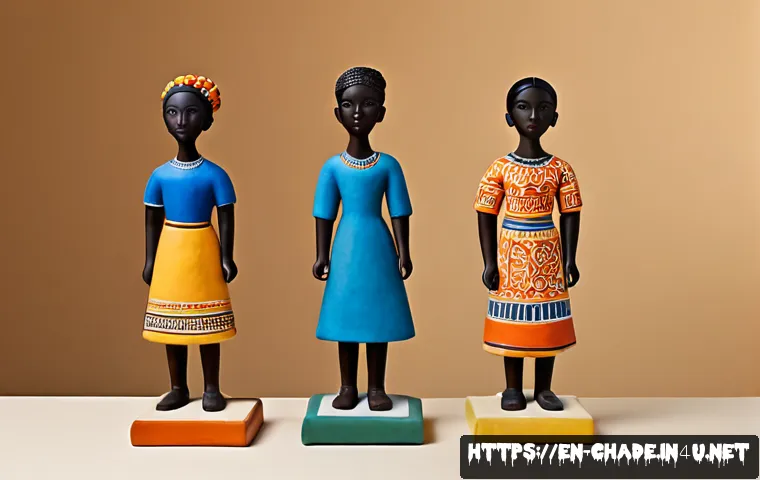
The right choice depends on the design’s scope, the intended audience, the revision process, and the rights required for final artwork. Character design is never only about visual appeal: viewers may read clothing, color, posture, symbols, and social roles through their own cultural context.
Stronger concepts use research to create specificity without reducing people or communities to a visual shortcut. For teams commissioning art, comparing freelance design quotes, cultural review services, and localization deliverables early can prevent unclear expectations later.
No process can predict every audience reaction, but a broader review process can reveal questions a single creative team may not see.
At a Glance
- Cultural context changes meaning: the same color, gesture, garment, or archetype may be read differently by different audiences.
- Research adds specificity: contextual references are more useful than isolated images or generic visual shorthand.
- Support should match risk and scope: self-research may suit an early concept, while localization review can help with multi-market releases.
| Option | Typical Scope | Best Use Case | Key Quote Factors |
|---|---|---|---|
| Self-directed research | Reference gathering, worldbuilding notes, early model-sheet decisions | Early concepts, classroom work, small internal explorations | Research time, available reference access, internal revision capacity |
| Freelance cultural reviewer or consultant | Focused feedback on selected concepts, names, symbols, dialogue, or wardrobe | Teams needing targeted questions reviewed before approval | Review depth, number of assets, revision rounds, deadline, usage terms |
| Design or localization studio | Character design, adaptation, review, marketing-artwork checks, localization deliverables | Games, animation, brands, or releases planned for multiple markets | Asset volume, language needs, licensing, approvals, revision process, delivery schedule |
Why Cultural Context Changes the Meaning of a Character
Character design communicates personality, role, setting, and narrative expectations before a character speaks. A silhouette can suggest status or occupation. Costume can place a character within a particular environment. Facial expression and posture can signal confidence, restraint, humor, authority, or vulnerability. These cues are efficient storytelling tools, but their meaning is not fixed everywhere.
The Fastest Way Viewers Read Visual Cues
Viewers often form an early impression from silhouette, color, costume, posture, props, and facial expression. That first reading may be useful when it supports the story, such as showing that a character works outdoors, holds a leadership role, or belongs to a specific fictional institution. The risk appears when a design relies on one highly familiar cue and lets that cue stand in for an entire culture or community.
Why Intention and Audience Interpretation Can Differ
A creator may intend a symbol, garment, or gesture as a positive reference. An audience may connect it to a different history, social meaning, or media pattern. Neither intent nor interpretation should be assumed without context. Audience research and direct feedback are the practical ways to test questions, rather than guessing how every group will respond.
Three-Line Summary for Creators and Commissioning Teams
Use self-research when the work is exploratory and the team can document its references. Consider a freelance reviewer when a small number of culturally sensitive choices need focused feedback. Consider a design localization partner when names, dialogue, gestures, wardrobe, symbols, and marketing artwork all need coordinated review.
Compare Character Research Options Before You Start
The best research path is not automatically the most expensive one. It is the path that gives the team enough context to make decisions, revise responsibly, and deliver usable character assets. Before requesting a creative-agency proposal or freelance design quote, define what needs review.
Self-Directed Reference Research: Best for Early Concepts
Self-directed research works well when building a character brief, testing silhouettes, or mapping a fictional setting. Gather references with their original context when possible: what is shown, where it is used, who uses it, and what role it serves. A reference board built this way is more valuable than a collection of cropped images with no explanation.
Freelance Reviewers and Consultants: When Targeted Feedback Adds Value
A freelance cultural consultant or reviewer can be a practical choice when the team has a concept but needs help identifying unanswered questions. The review may focus on a costume direction, a name, a gesture, a symbol, or a character’s role in the story. Ask whether feedback includes written notes, a review meeting, or follow-up revision comments before comparing design-service quotes.
Studios and Localization Partners: When Multi-Market Consistency Matters
Studios and localization partners may be useful when the character appears across a game, animation project, campaign, packaging, or promotional artwork. Localization is not limited to translating dialogue. It may include reviewing character names, gestures, symbols, wardrobe, marketing art, and the relationship between the core model sheet and local-market materials.
Scope, Licensing, Revisions, and Other Quote Factors
The total cost of outsourced character design can change with commission scope, revision rounds, usage rights, and localization deliverables. A low initial quote may not include editable files, commercial usage terms, additional review rounds, or adaptation of marketing assets. Put each expected deliverable in writing before approval, especially when several people will provide feedback.
A Multi-Lens Framework for Reading Visual Choices
A multi-lens approach helps teams move beyond the question, “Does this look authentic?” A better question is, “What does this choice communicate in this character’s world, and what assumptions might it invite?” The goal is not to make every design neutral. It is to make choices deliberate, specific, and connected to the character.
Clothing, Material Culture, and Setting Without Costume Shorthand
Clothing can communicate climate, profession, resources, ceremony, family history, fashion preference, or practical movement needs. Treat it as part of a lived setting rather than a costume label. Consider materials, wear, layers, accessories, and the character’s reason for choosing them. This creates more depth than attaching one recognizable item to an otherwise generic design.
Color, Symbols, and Gestures in Context
Colors, symbols, and gestures can carry different associations across cultures and communities. Their meaning also changes with setting, character role, and story use. A symbol on a private object may read differently from the same symbol used in a marketing image. Review the surrounding context instead of treating any single visual element as universally meaningful.
Body Language, Voice, Social Role, and Narrative Agency
Representation is not limited to visible appearance. Language, environment, values, social roles, and character agency shape interpretation too. Ask what the character wants, what choices they make, who has power around them, and whether they influence the plot. A visually detailed character can still feel thin if their role is only decorative or predictable.
Archetypes: Familiar Storytelling Tools Versus Reductive Coding
Archetypes can help audiences quickly understand a story, but they should not become a shortcut for assigning fixed traits to a cultural group. Expand the character beyond a single role. Give them contradictions, relationships, practical skills, preferences, and decisions that matter to the narrative.
A Practical Workflow for Culturally Informed Design
A repeatable workflow keeps research connected to actual production choices. It also gives art directors, clients, freelance designers, and reviewers a shared document for discussing changes.
Define the Character’s World, Role, and Intended Audience
Start with the character’s setting, role, audience, and narrative function. Is the work for a classroom project, an indie game, a brand mascot, or an international entertainment release? The answer affects how much review, localization support, and rights planning may be appropriate.
Build a Reference Set With Context, Not Isolated Images
For each reference, record why it matters. It may inform construction, movement, environment, language, family structure, work routines, or storytelling. Avoid treating one source—or one individual—as a complete representative of an entire culture. A reference set should generate questions as well as visual inspiration.
Translate Research Into Silhouettes, Props, Palettes, and Behavior
Turn research into visible design choices that serve the story. A silhouette might reflect mobility requirements. A prop might connect to work or hobby. A palette might support tone and setting. Behavior, dialogue, and interactions should carry the same level of thought, so the final concept does not depend on surface details alone.
Test Assumptions and Document Design Decisions
Create a short decision log for major choices: what reference informed the choice, what story purpose it serves, and what requires confirmation. A diverse review process can identify unintended readings or missing context that one designer may overlook. Feedback does not guarantee universal approval, but it can make revision more informed.
Common Mistakes That Weaken Representation
Treating a Culture as a Single Visual Style
No culture is one palette, garment, face shape, or personality type. When every character from a broad background receives the same visual treatment, the design can lose both specificity and human variety. Build from the character’s particular world and circumstances instead.
Copying Sacred, Ceremonial, or Community-Specific Elements Without Context
Distinctive elements may have meanings that are not obvious from an image search. Before using them, determine whether the reference is ceremonial, sacred, community-specific, or otherwise context-dependent. If the answer remains unclear, treat that uncertainty as a reason to research further or seek targeted review.
Using “Authenticity” as a Substitute for Character Depth
A character is not made stronger merely by adding researched details. Depth comes from motivation, relationships, flaws, skills, choices, and narrative agency. Research should support the character’s humanity, not become a decorative checklist.
Skipping Budget and Usage-Rights Questions When Outsourcing
Creative services should be compared on more than style. Confirm the commission scope, revision limits, final file types, permitted usage, and localization deliverables. If a character will be adapted for advertising, merchandise, or different markets, ask how those uses are handled in the agreement.
Selection Criteria and Comparison Summary
Before choosing a freelance designer, cultural reviewer, localization consultant, or full-service studio, compare portfolio relevance, defined deliverables, revision limits, usage rights, review process, and communication structure. Keep work in-house when the concept is early, the audience is limited, and the team has time to research and revise. Bring in a specialist when the project has specific unanswered questions or a wider release requires coordinated character and marketing review. For design software, creative services, or localization support, check the official service page for deliverables, licensing terms, and quote conditions before committing.
Closing Thoughts
Culturally informed character design is not about finding one perfect visual formula. It is about connecting visual choices to context, story, and character agency. Clear research notes and a defined review process make collaboration easier for both internal teams and outside creative partners. When uncertainty remains, acknowledge it and decide whether more research or specialist feedback is appropriate.
Useful Information to Keep in Mind
Reference quality matters more than reference volume. Keep context with the images you collect, define who approves revisions, and separate character-model needs from localization or marketing-artwork needs. A clear brief helps both freelance artists and larger design studios provide more comparable proposals.
Important Notes
No checklist can determine how every cultural group or market will interpret a character. Respectfulness, offense, and commercial effectiveness require audience research or direct feedback in the relevant context. The exact cost of a designer, consultant, studio, or localization review also depends on scope, rights, deadlines, revisions, and final deliverables.
Frequently Asked Questions
Q1. How can I make a character culturally specific without relying on stereotypes?
A1. Start with the character’s environment, role, relationships, values, and practical needs. Use references with context, then translate that research into multiple choices—such as behavior, setting, wardrobe construction, and narrative agency—rather than relying on one recognizable visual cue.
Q2. When should a small game or animation team hire a cultural consultant?
A2. Consider targeted feedback when the team has specific questions about names, symbols, gestures, wardrobe, dialogue, or story roles, especially if it lacks relevant context internally. The appropriate scope depends on the project, intended audience, revision process, and release plans.
Q3. What should be included in a character design or localization quote?
A3. Confirm the scope of assets, number of revision rounds, review process, delivery format, usage rights, deadlines, and any localization deliverables. If marketing artwork, dialogue, names, gestures, or wardrobe need review, list them separately rather than assuming they are included.
Q4. Is cultural review necessary for a fictional world that is not based on a real country?
A4. A fictional setting can still draw on real-world symbols, social roles, languages, clothing, or storytelling patterns. Review may be useful when those influences are important to the design or when the work is intended for audiences across different markets.