A character becomes a business asset when it has a clear role, consistent rules, and rights that support planned commercial use. If it is only needed for a short campaign, a focused illustration scope may be more practical than building a full character system.
The right production model depends on how often the character will be reused, which channels it must support, and how much strategic and legal coordination the project needs.
Compare freelancers, character design agencies, and in-house teams by scope, licensing, revision process, and long-term maintenance—not illustration style alone.
A strong brief and a careful quote review can prevent expensive limits on reuse later.
At a Glance
- A character creates more commercial value when its audience, purpose, visual rules, and use cases are defined before artwork begins.
- Freelance illustrators, character design agencies, and in-house teams suit different levels of strategic support, rights coordination, and production continuity.
- Compare scope, usage rights, revisions, delivery files, and maintenance needs before selecting a creative provider.
| Production Model | Best Fit | Strategic Support | Rights Coordination | Scalability |
|---|---|---|---|---|
| Freelance character designer | Focused campaign work or a defined visual assignment | Varies by individual brief and experience | Requires careful agreement review | May require additional coordination as channels expand |
| Character design agency | Brands needing a structured character system and cross-team process | Often includes broader strategic and production planning | Can support more formal scope and approval discussions | Useful when multiple assets and stakeholders are involved |
| In-house creative team | Organizations with ongoing campaigns, products, or content needs | Direct alignment with brand and marketing teams | Can be coordinated internally with relevant reviewers | Supports ongoing updates when managed consistently |
Start With the Business Role, Not the Artwork
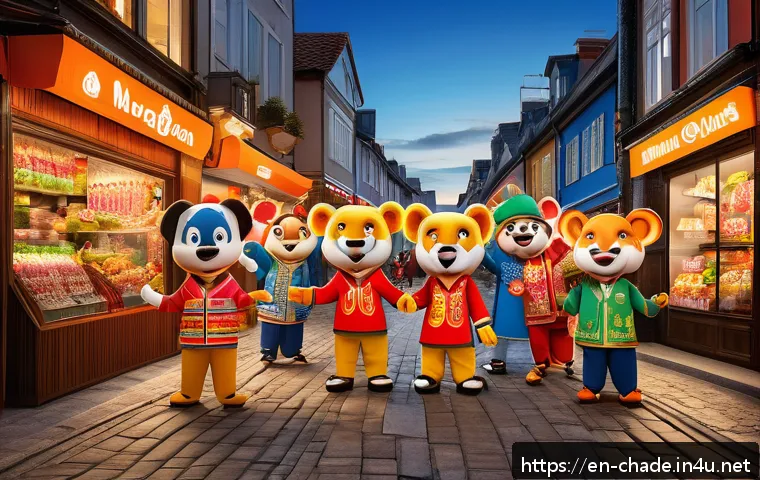
The first question is not “What should the character look like?” It is “What business job should the character perform?” A mascot designed to improve recognition may need different rules from a character that explains a digital product, supports an online community, appears on packaging, or may later be considered for merchandise and licensing.
Define the Character’s Role
Write down the primary role before commissioning concepts. For example, the character may support social media communication, give a product a recognizable visual cue, make instructions easier to understand, or provide a consistent identity across campaigns. Avoid trying to make one design solve every business problem without deciding which role comes first.
Set Business Signals Without Promising Results
You can define practical signals to review, such as whether teams can use the character consistently across approved channels, whether the design fits the intended audience, or whether it supports a campaign message clearly. Do not assume that a character design alone will improve conversion, engagement, or licensing revenue. Those outcomes depend on broader brand, product, distribution, and campaign decisions.
Create a One-Page Character Strategy Brief
A concise brief aligns marketers, designers, legal reviewers, and decision-makers before visual production. Include the target audience, personality, tone of voice, required channels, brand restrictions, planned commercial uses, approval owners, and likely future needs. This document gives a freelance illustrator or creative agency a business context that a mood board alone cannot provide.
Choose the Right Production Model for Your Scope and Budget
The right choice is usually based on scope complexity, continuity, and rights management. A lower initial quote is not automatically the lower-cost option if the work must later be expanded without source files, reusable rules, or clear commercial permissions.
Freelancer vs. Character Design Agency vs. In-House Team
A freelance character designer can be a practical option for a defined assignment with a clear brief and limited number of deliverables. A character design agency may be better suited to projects requiring strategy, multiple stakeholder reviews, style documentation, and coordinated asset development. An in-house team can offer continuity when the business expects regular campaigns, product updates, or repeated content production.
Compare More Than the Initial Quote
Ask each provider how they handle concept development, feedback, approval workflow, design documentation, source-file delivery, and future adaptations. A creative services quote should make clear whether it covers a single illustration, a usable character library, or a broader brand asset system.
When a Lower Quote Can Cost More Later
A limited assignment may be appropriate when the use case is genuinely limited. Problems arise when a business purchases a one-off design but later needs pose libraries, packaging versions, animation-ready views, regional adaptations, or merchandising artwork. If expansion is likely, define a staged plan rather than assuming the first delivery can support every future channel.
Build a Character System That Can Scale Across Channels
A scalable character system is more than a polished key visual. It gives future teams enough direction to use the character without changing its identity from one campaign, product page, or package to another.
Audience, Personality, and Cultural Fit
Define who the character is for and how it should communicate. Consider personality, tone of voice, visual sensitivity, and fit with the market or audience context. A character that feels friendly in one setting may not communicate the same message in another, so planned target markets should be included in the brief and review process.
Core Visual Components
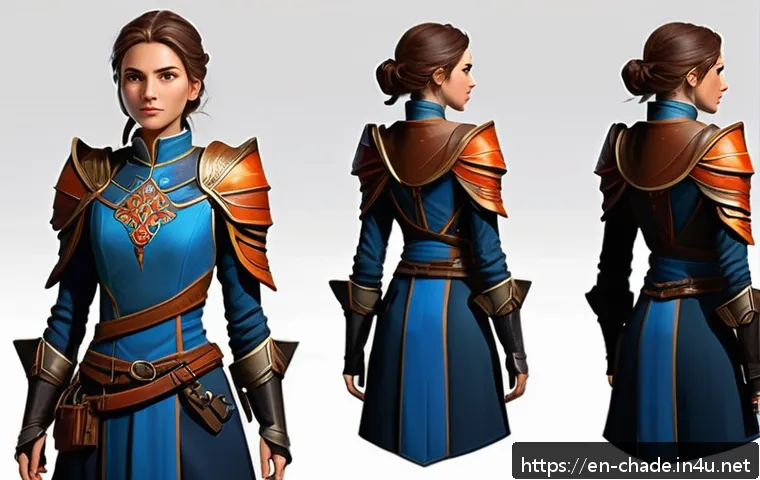
Depending on the intended scope, core components can include a recognizable silhouette, color palette, wardrobe or signature elements, facial expressions, poses, and visual do-and-don’t rules. These rules matter because consistency is part of commercial value. A strong illustration without repeatable guidelines may be difficult for future campaign teams to use accurately.
Match Deliverables to Real Channels
List the assets needed for social campaigns, websites, packaging, digital products, animation, merchandise, or licensing discussions. Production scope may include concept development, turnaround views, expression sets, color specifications, pose libraries, and a character style guide. Not every project needs every item, but each item should be connected to a planned use case.
Scope, Licensing, and Approval Practices That Prevent Expensive Mistakes
Creative quality and legal usability are separate issues. A design may be visually suitable while the agreement limits the channels, territory, duration, or adaptations your business expects to use.
Clarify Commercial Rights Before Production
Discuss ownership, exclusivity, territory, duration, usage channels, and derivative-work permissions before work begins. If the character may appear in advertising, packaging, apps, merchandise, or licensing activity, raise those expected uses early. Rights requirements can differ by jurisdiction and distribution channel, so obtain appropriate legal review when needed.
Agree on Revisions, Files, and Approvals
Set revision rounds, delivery formats, source-file expectations, accessibility needs, and approval workflow in advance. Clarify who gives consolidated feedback and who has final approval. This reduces conflicting instructions and helps creative vendors plan production more accurately.
Common Scope Mistakes
Common problems include designing without defined use cases, under-scoping the asset library, and assuming that payment automatically transfers every commercial right. Another issue is treating a character guide as optional when several internal or external teams will later produce assets. If future reuse matters, documentation should be part of the conversation.
Adapt the Strategy to Your Business Situation
Early-Stage Companies
Early-stage teams may benefit from validating the character’s role before commissioning a large asset library. A focused pilot can help establish whether the character belongs in product communication, brand storytelling, or campaign content. Keep the brief clear about what is being tested and what future expansion might require.
Established Brands
Established brands should align a new character with existing brand architecture, campaign calendars, packaging standards, and internal approval processes. The character should not become a disconnected visual element that competes with the wider brand identity.
Product, Media, and Retail Businesses
These businesses may need more operational consistency because characters can appear across many formats and teams. If merchandise, media content, or licensing may be considered, plan for stronger documentation, controlled access to approved assets, and a review process for future adaptations.
Selection Criteria and Comparison Summary
Before choosing a freelance illustrator, character design agency, or internal production approach, check the following:
- Deliverables: Does the proposal specify concepts, views, expressions, poses, guides, and file formats?
- Strategic process: Does the provider ask about audience, business role, channels, and future use cases?
- Rights: Are ownership, exclusivity, territory, duration, commercial channels, and derivative works addressed?
- Revision policy: Are revision rounds, feedback ownership, and approval milestones clear?
- Maintenance: Is there a practical plan for updates when products, campaigns, or target markets change?
Compare scope, rights, revisions, and long-term maintenance before selecting a provider. For a creative agency, freelance designer, or design outsourcing platform, review the official service details and contract conditions before making a commitment.
Closing Thoughts
Character design works best as a managed brand asset rather than an isolated art purchase. Start with the business role, then choose a production model that fits the required scope and internal capacity. A detailed brief, a realistic deliverable list, and clear rights discussions help reduce avoidable reuse restrictions. As the brand changes, the character system may also need maintenance to remain relevant and consistent.
Useful Information to Keep in Mind
1. Illustration quality alone does not define commercial value; planned use and consistent application matter.
2. A character style guide can make future campaign production more consistent.
3. A quote should be reviewed as a scope-and-rights document, not only as a price document.
4. Different channels may require different files, poses, permissions, and approval steps.
Important Considerations
The appropriate budget, timeline, provider, and team structure depend on the specific project and should be confirmed directly with relevant vendors and internal stakeholders. Commercial rights requirements may vary by jurisdiction, distribution channel, and intended use. This framework supports planning, but it does not replace legal review or a tailored creative services agreement.
Frequently Asked Questions
Q1. How much should a business budget for a character design project?
A1. There is no single appropriate budget because scope, provider type, rights, deliverables, revision process, and future use needs can all change the project requirements. Compare proposals based on what is included, especially commercial usage rights and long-term asset needs.
Q2. Is it better to hire a freelance character designer or a branding agency?
A2. A freelance designer may fit a tightly defined assignment, while a character design or branding agency may suit a project requiring strategic planning, multiple deliverables, stakeholder coordination, and a documented character system. The better choice depends on your scope and internal capabilities.
Q3. What commercial usage rights should be included in a character design agreement?
A3. Discuss ownership, exclusivity, territory, duration, usage channels, and derivative-work permissions. The exact rights required depend on where and how the character will be used, so confirm the agreement with appropriate legal review where necessary.