A memorable character starts with a clear role, a readable silhouette, visible personality cues, and details that can be used consistently in production.

Decorative detail comes later; if the character is unclear in a small sketch, more rendering will not fix the core idea. For solo creators, early DIY sketches can clarify direction before money is committed.
For indie teams and commercial projects, comparing freelance illustration portfolios, concept art outsourcing options, and production deliverables helps match the design budget to the real use case.
The right level of polish depends on whether the character will appear once, recur in a book, move in animation, become a game asset, or represent a brand.
A simple illustration may be enough for a pitch, while a reusable character often needs references beyond one polished image.
At a Glance
- Role and readability matter before decorative detail: viewers should understand the character quickly.
- Silhouette, shape language, pose, and props can communicate identity before facial details or color are visible.
- Usability affects scope: recurring characters may need views, expressions, poses, and color specifications for consistent production.
| Option | Best Fit | Typical Practical Value | What to Confirm |
|---|---|---|---|
| DIY thumbnail sketches | Early ideas, personal projects, direction finding | Tests role, silhouette, and broad personality before detailed work | Whether the concept remains readable at a small size |
| Freelance character commission | Projects needing a defined visual style or a polished illustration | Can provide focused concept art, character sheets, or selected production files | Portfolio fit, revision scope, usage rights, and deliverables |
| Studio or agency design service | Teams needing coordinated work across several assets or artists | May be suitable for broader production planning and consistent asset direction | Workflow, ownership terms, file requirements, and who handles revisions |
What Makes a Character Design Work at First Glance
A strong character design gives the viewer a fast, useful impression. The viewer does not need to know every story detail, but they should be able to recognize what kind of presence the character has and what may matter about them. Start with purpose, then use clear visual decisions to support it.
Start with the Character’s Role, Audience, and Story Function
Before choosing costume details or a rendering style, define the character’s job in the project. Are they a protagonist, a guide, a rival, a background figure, a brand mascot, or a social media personality? That role influences which features deserve emphasis.
A children’s book character, a game hero, and a mascot can all be memorable, but they may need different levels of visual information. A character intended for repeated scenes needs choices that remain clear across poses and contexts. A one-time cover illustration may place more value on a single strong composition.
Practical rule: write one sentence describing what the viewer should understand first. Use that sentence as a filter for every major design choice.
Use Silhouette and Shape Language for Instant Recognition
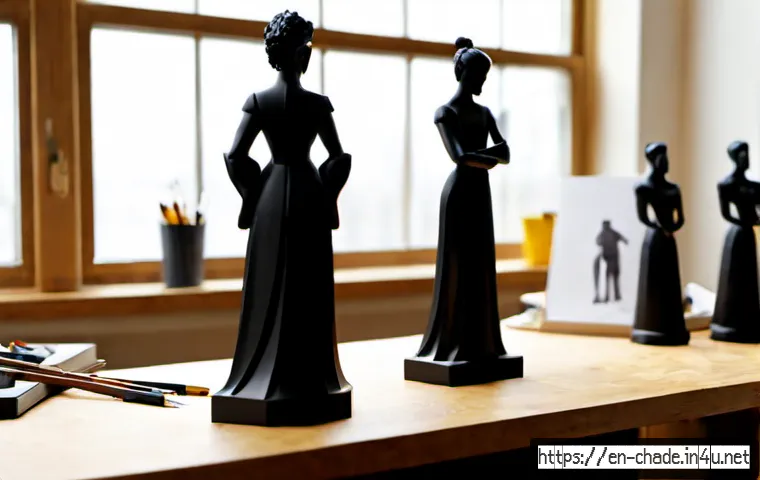
A readable silhouette helps viewers identify a character quickly, even when facial features and color are not visible. Test the design as a filled-in shape or at thumbnail size. If the outline could belong to anyone, consider changing the overall proportions, posture, hairstyle, costume outline, or a distinctive tool.
Shape language also sets a broad impression. Rounded forms can suggest friendliness or stability. Sharper forms can suggest tension or sharpness. Uneven or unexpected combinations can suggest unpredictability. These are broad visual signals, not fixed rules, so they should support the character’s intended role rather than replace it.
Watch for clutter: a silhouette overloaded with small accessories may look detailed at full size but become unreadable in a game interface, animation frame, or small social post.
Make Personality Visible Through Pose, Expression, and Props
Clothing, tools, posture, expression, and color palette can all tell part of the story without dialogue. A relaxed stance and an organized set of tools can imply something different from a guarded pose and worn equipment. The goal is not to add symbols randomly; it is to choose cues that agree with the character’s role.
For a freelance illustrator brief, explain the character’s behavior as well as their appearance. Instead of only listing “short jacket” and “boots,” add useful direction such as whether the character is careful, energetic, formal, playful, or guarded. This gives the artist a basis for pose and expression decisions.
The Core Design Elements to Prioritize
Not every element needs equal time or budget. Prioritize the decisions that affect recognition, storytelling, and reuse first. Fine texture, complex trim, and extra accessories should support the central idea rather than compete with it.
Proportions, Facial Features, and Readable Focal Points
Proportions guide attention before viewers inspect details. Height, head-to-body relationship, shoulder width, limb length, and stance can create a recognizable overall pattern. Facial features then help carry emotion and identity, especially when the character will be shown close up.
Visual hierarchy uses contrast, scale, shape, and color to direct attention toward important features. Decide where the eye should go first. It may be the face, a signature hat, a tool, a distinctive emblem, or a large silhouette feature. Give that focal point room to work instead of surrounding it with equally strong details.
Color Palettes, Contrast, and Costume Choices
Color should help organize the design. It can separate important forms, reinforce mood, and make selected areas easier to notice. A palette does not guarantee engagement or commercial success, but it can make a readable concept easier to use consistently.
Costume choices should answer simple story questions: What does this character do? What environment do they belong in? What do they need to carry or wear? A costume can be imaginative while still showing a coherent visual logic. If every item comes from a different visual language, the result can feel disconnected.
Before adding another costume layer, ask whether it improves role, silhouette, or focal hierarchy. If it does none of these, it may only increase illustration, animation, rigging, and revision complexity.
Balancing Originality with Visual Clarity
Originality does not require making every feature unusual. A character can feel distinct through a clear combination of familiar elements: a specific role, a memorable outline, a consistent emotional tone, and a few well-chosen details. Clarity helps the audience notice those choices.
When reviewing concept art, compare concepts by what they communicate rather than by how much detail they contain. Ask which version is easiest to describe after a quick glance. That version often has a stronger foundation for future refinement.
Comparing Design Deliverables and Their Practical Value
The most useful deliverable is the one that matches the next production step. A polished image can be valuable, but it may not give an animator, game artist, printer, or another illustrator enough information to reproduce the character consistently.
Basic Concept Sketch vs. Polished Character Illustration
A basic concept sketch is useful for exploring ideas, comparing silhouettes, and choosing a direction. It is often the right starting point when the character’s role or visual identity is still uncertain. It may not be sufficient as a final reference for a team.
A polished character illustration presents a more finished visual statement. It can be useful for book promotion, a pitch, a profile image, or a single featured placement. However, one front-facing illustration may leave unanswered questions about the back, side, expressions, movement, or color consistency.
Character Sheet vs. Turnaround and Expression Set
A character sheet commonly gathers useful design information in one place, such as key features, clothing details, palette direction, or selected poses. It is helpful when multiple people need a shared reference.
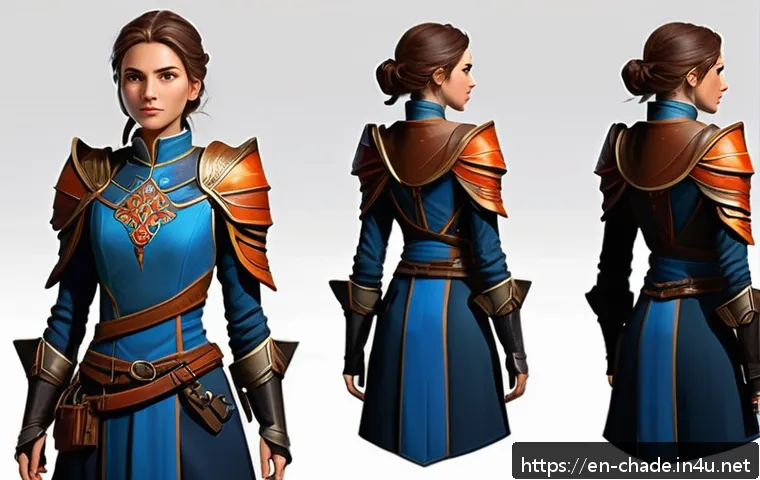
A turnaround provides views that support consistent drawing or modeling from more than one angle. An expression set helps establish how the character’s face changes across moods. Pose references can clarify posture and body language. These materials are especially relevant when a character will appear repeatedly or be handed between artists.
When reviewing a freelance illustrator portfolio, look for examples that resemble the deliverable you need. A beautiful single illustration does not automatically show experience with model sheets, turnaround views, or production-oriented concept art.
When a Production-Ready Package Is Worth the Added Cost
A production-ready package may be worth considering when a character will be animated, rigged, used as a game asset, reproduced for print, or developed by more than one artist. These uses often require more than a final image: views, expression references, pose guidance, and color specifications can reduce uncertainty later.
Design complexity can affect illustration, animation, rigging, revision, and licensing costs. That does not mean every project needs the same package. It means the scope should reflect the actual production path. Confirm what files and references downstream artists need before commissioning work.
A Step-by-Step Workflow for Building a Strong Character
A simple workflow prevents an expensive mistake: polishing an idea before it is clear. Move from purpose to broad shapes, then to refined details and production references.
Write a Short Visual Brief Before Drawing
Keep the brief short but specific. Include the character’s role, audience, story function, personality cues, setting, required uses, and non-negotiable visual elements. If the project has an existing brand style, include examples that show the desired direction.
For concept art outsourcing, a useful brief also names what is undecided. This makes room for exploration rather than creating the impression that every visual answer has already been chosen.
Test Thumbnail Sketches and Silhouettes Early
Create small, simple variations before investing in rendering. Compare broad proportions, poses, costume outlines, and props. At this stage, the question is not whether the drawing looks finished. The question is whether the character can be recognized and understood quickly.
Use a silhouette test to spot weak designs. If the concept only works because of facial detail, texture, or a specific color effect, strengthen the main shape before moving forward.
Refine Details Only After the Concept Is Readable
Once the role, silhouette, and focal point work, refine costume structure, materials, facial details, and palette. Then create the references required by the project. This order protects the design budget because major changes are easier before complex details are added.
Keep approvals staged: approve the direction, then the line or shape solution, then the color approach, then the final production files. This can make revision conversations clearer with a freelance illustrator or character design service.
Common Character Design Mistakes and How to Avoid Them
Many character design problems are not drawing problems. They are planning problems: unclear purpose, inconsistent choices, or deliverables that do not fit the intended use.
Adding Detail Without Supporting the Character’s Purpose
Extra straps, ornaments, patterns, and tools can make a design feel busy without making it more memorable. Detail should clarify something important: occupation, history, personality, setting, or focal hierarchy. If it does not, it may create work for the artist without improving the character.
A helpful review question is: Would removing this detail make the character less understandable? If the answer is no, the detail may be optional.
Using Inconsistent Visual Language Across Clothing and Props
Clothing and props should feel as though they belong to the same character and world. A mismatch can occur when one part of the design is soft and playful while another is highly formal or aggressive without a story reason. Contrast can be intentional, but it should be deliberate.
Use a short list of repeated visual cues, such as rounded shapes, angular motifs, simple construction, or a limited palette direction. Repetition gives the design a coherent identity without requiring identical elements everywhere.
Forgetting Animation, Printing, Game Asset, or Licensing Needs
A design intended for one static image may not transfer cleanly into movement, small-scale display, printed materials, or a game asset pipeline. Fine details can become difficult to read or reproduce. Complex layered clothing may require extra attention during animation or rigging.
Before final approval, identify where the character will appear and what commercial rights may be needed. Usage rights, revision terms, deliverable format, and licensing needs should be confirmed with the artist, platform, studio, or agency involved.
Choosing the Right Character Design Option for Your Project
The best option is not always the most elaborate one. Choose the process that gives you enough clarity and usable material for the project’s next stage without paying for files that will not be used.
When to Develop the Concept Yourself
Develop the concept yourself when you are still testing the character’s role, story function, and broad visual direction. DIY sketches are also useful when you need a reference for feedback before approaching a professional. You do not need polished drawing skills to communicate a basic silhouette, mood, or prop idea.
However, if the project depends on a consistent final style, specialized production files, or commercial use requirements, a rough self-made concept may be only the first step.
What to Compare When Hiring a Freelance Illustrator
Compare portfolio relevance before general popularity. Look for work that matches the project’s visual needs: character sheets, expressive faces, game-ready concepts, book-friendly illustrations, mascot work, or clean production references.
Ask what the package includes, how revisions are handled, what usage rights are offered, and which final files will be delivered. The exact budget depends on the artist’s experience, detail level, number of revisions, usage rights, and required deliverables. Review those points directly rather than assuming two similar-looking offers have the same scope.
When an Agency or Specialized Studio May Be the Better Fit
An agency or specialized studio may be a better fit when multiple characters, coordinated assets, or shared production standards are involved. This can be relevant for a game team, animation project, larger brand system, or project with several stakeholders.
Confirm whether the service includes only visual exploration or also production coordination, revision management, and final reference materials. AI-assisted, freelance, and agency workflows can each be suitable, but the right choice depends on quality expectations, ownership needs, and production requirements.
Selection Criteria and Comparison Summary
Before choosing DIY work, a freelance illustrator, or a studio service, check these points:
- Scope: Do you need an idea sketch, one polished illustration, a character sheet, or production-ready references?
- Use case: Will the character appear in a book, game, animation, print item, brand campaign, or social content?
- Revisions: What stages can be reviewed, and what is included in the agreed revision process?
- Commercial rights: What usage and ownership terms apply to the final work?
- Production files: Are views, expressions, pose references, and color specifications needed by other artists?
- Portfolio fit: Does the artist or studio show relevant examples, not just attractive finished images?
For a commission or design service, review the official project details or service page to confirm deliverables, revision terms, and commercial-use conditions before committing.
Final Thoughts
Good character design is a sequence of clear decisions, not a contest to include the most detail. Start with role, silhouette, and personality cues, then use hierarchy, color, costume, and props to reinforce the idea. Choose the deliverable that supports the next real task, whether that is a pitch, a book illustration, a game asset, or an animation workflow. Clear planning also makes conversations with freelance artists and concept art services more productive.
Useful Things to Know
1. Small-size testing matters. A thumbnail or silhouette can reveal whether the character is readable before you spend time on rendering.
2. A single image and a reusable design are different products.
Reuse often requires references that one illustration cannot provide.
3. Detail has downstream effects. More complex designs can affect illustration, animation, rigging, revisions, and licensing discussions.
4. A brief is a communication tool. It helps align your expectations with a freelance illustrator, studio, or internal team.
Important Notes
No style, palette, template, or workflow guarantees audience engagement or commercial success. Character design budgets and appropriate packages vary according to experience, usage rights, revision needs, detail level, and requested deliverables. Confirm project scope, commercial rights, production needs, and final file requirements with the selected artist or service provider.
Frequently Asked Questions
Q1. What are the most important elements of a good character design?
A1. Start with a clear role, a readable silhouette, and visible personality cues. Then use proportions, facial features, color, costume, posture, and props to guide attention toward what matters most. The design should remain understandable before decorative detail is added.
Q2. How much should I budget for a freelance character designer?
A2. The exact budget depends on the artist’s experience, requested detail level, number of revisions, usage rights, and deliverables. Define whether you need a concept sketch, polished illustration, character sheet, turnaround, expression set, or other production files before comparing freelance illustration offers.
Q3. Do I need a full character sheet, or is a single illustration enough?
A3. A single illustration may be enough for a one-time feature image or an early presentation. A character sheet or production-ready package is more useful when the character must be drawn consistently by other artists, shown from multiple angles, animated, used as a game asset, or reproduced across several materials.