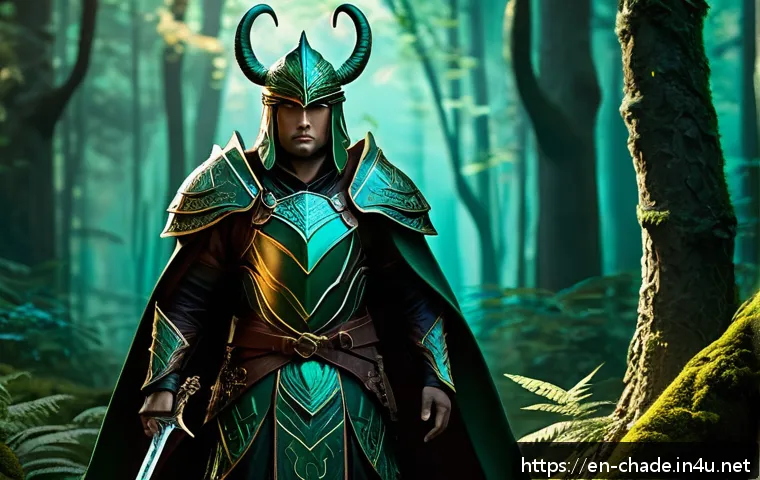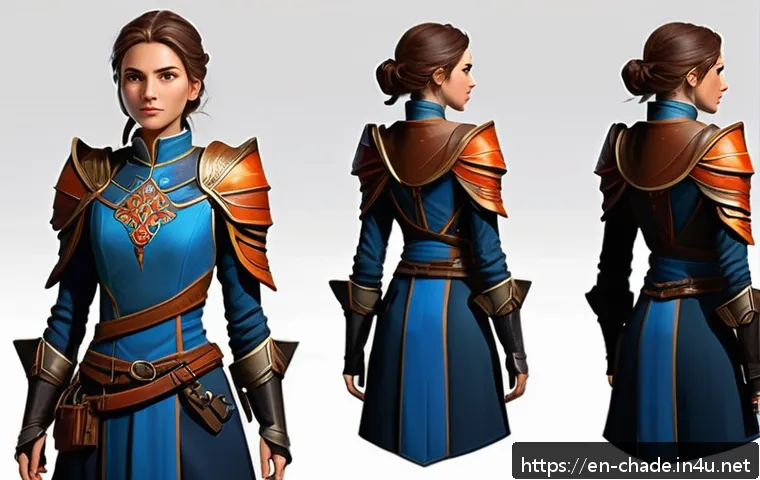
In today’s fast-evolving creative landscape, mastering character design is more crucial than ever for artists and storytellers looking to stand out. Whether you’re a beginner or aiming to refine your skills, understanding the fundamentals step by step can unlock endless possibilities.
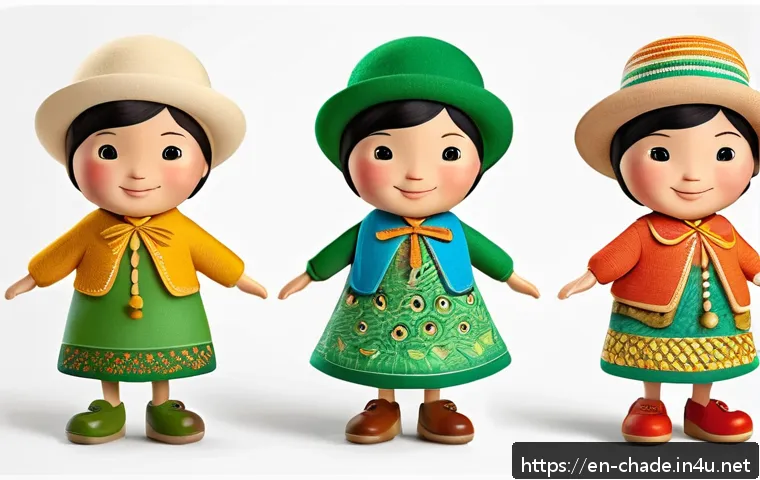
With new tools and trends shaping the industry, diving into a structured learning path ensures you stay ahead and create compelling, memorable characters.
Join me as we explore how to build your character design skills from scratch, turning imagination into vivid reality. Ready to bring your ideas to life?
Let’s get started!
Exploring the Core Elements of Character Design
Understanding Shape Language and Silhouette
When I first started designing characters, I underestimated how vital shape language is. The overall silhouette of a character instantly communicates their personality and role without any dialogue.
For instance, sharp, angular shapes tend to convey aggression or edginess, while rounded shapes suggest friendliness or innocence. To truly master this, spend time sketching simple silhouettes and see if others can guess the character’s traits just from that outline.
This practice sharpens your eye for visual storytelling and helps your characters stand out in any scene.
Color Theory and Emotional Impact
Colors are more than just decoration—they evoke emotions and set moods. I’ve found that choosing the right color palette can make or break a character’s appeal.
Warm colors like reds and oranges often express energy or danger, while cool colors like blues and greens can evoke calmness or mystery. Combining colors thoughtfully also supports cultural context or genre expectations.
Play around with contrasting and analogous colors to see how subtle shifts can change the perception of your character dramatically.
Expressive Anatomy and Gesture
A character’s pose and anatomy tell a story beyond their outfit or face. Early in my experience, I focused too much on static poses that felt stiff. But once I started studying gesture drawing and simplified anatomy, my characters began to breathe and move naturally.
Focus on key lines of action and exaggerate poses to emphasize personality traits. Even a slight tilt of the head or a relaxed hand can convey volumes about who your character is and how they feel in the moment.
Building Personality Through Costume and Accessories
Reflecting Backstory in Clothing
One of the biggest game changers for me was learning to use costume design as a storytelling tool. Every piece of clothing or accessory your character wears can hint at their background, profession, or even worldview.
For example, worn-out boots might suggest a rugged traveler, while intricate embroidery could indicate nobility or cultural pride. When designing, think about the materials, textures, and practicality of garments in relation to the character’s environment and story arc.
Balancing Detail and Readability
It’s tempting to go all out with elaborate costumes, but I quickly realized that too much detail can overwhelm and confuse viewers, especially in smaller formats like thumbnails or game sprites.
The key is balancing detail with clarity. Important design elements should be easily recognizable at a glance. Try simplifying or stylizing complex patterns while maintaining their essence.
This approach not only enhances visual appeal but also improves usability across different media.
Symbolism and Cultural References
Incorporating subtle symbols or cultural motifs adds layers of meaning and authenticity. When I worked on a fantasy project inspired by various real-world cultures, integrating symbolic patterns and colors helped ground the characters in a believable world.
Just be mindful of cultural sensitivity and avoid stereotypes. Researching the origins and meanings behind symbols ensures respectful and meaningful inclusion, enriching your character’s identity.
Mastering Facial Features and Expressions
Breaking Down Facial Anatomy
Faces are arguably the most challenging part of character design because they carry so much emotional weight. I found that breaking down the face into basic shapes and understanding the placement of key features like eyes, nose, and mouth made the process less intimidating.
Experimenting with different proportions can also help create unique and memorable characters. Don’t be afraid to exaggerate or stylize features to fit the character’s personality or genre.
Capturing Emotion Through Expressions
An expressive face can make your character instantly relatable. Early on, I struggled to convey subtle emotions, but studying real-life expressions and using mirror exercises helped immensely.
Focus on how eyes, eyebrows, and mouth change with different feelings. Even small tweaks can shift a character from neutral to joyful, angry, or contemplative.
Practice drawing a range of emotions to build a versatile expression library for your characters.
Animating the Eyes and Gaze
Eyes are windows to the soul, and their direction or openness can tell a story on their own. I noticed that changing a character’s gaze can shift the entire mood of a scene.
For example, a direct stare may feel confrontational, while a downward glance suggests shyness or sadness. Playing with pupil size and eyelid position also adds depth to emotion.
When designing, consider how the eyes interact with lighting and shadow to enhance realism.
Integrating Storytelling Into Character Design
Aligning Design With Narrative Roles
Characters don’t exist in isolation—they serve a purpose in the story. Reflecting their narrative role in their design helps audiences connect instantly.
Heroes often have bold, clear designs with iconic elements, while villains might feature asymmetry or darker palettes to signal threat. Side characters can have simpler, complementary designs that don’t steal focus but add richness to the world.
Always ask yourself how each design choice supports the character’s function in the story.
Using Visual Contrast to Highlight Relationships
Visual storytelling extends to how characters relate to each other. I’ve seen how contrasting designs—through color, shape, or size—can emphasize dynamics like friendship, rivalry, or hierarchy.
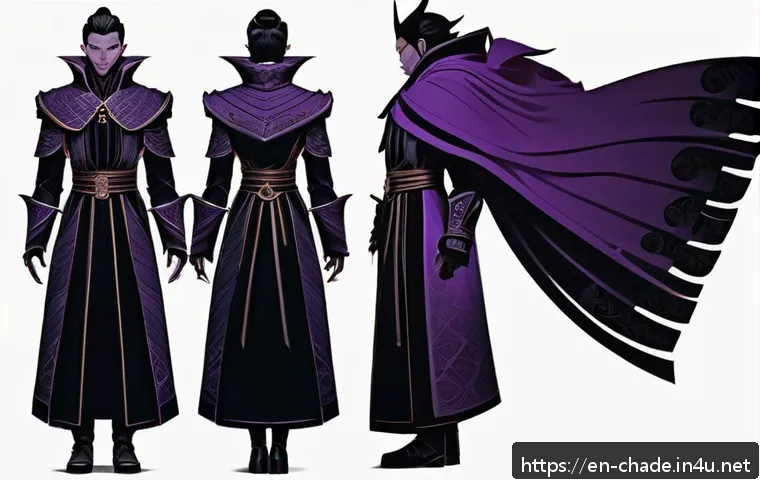
For example, pairing a tall, angular protagonist with a short, rounded sidekick creates an instant visual chemistry. This technique also helps viewers quickly grasp relationships without exposition, making your story more engaging.
Designing for Adaptability Across Media
Characters often appear in various formats, from comics to animations to merchandise. I learned that creating flexible designs that maintain their identity across these forms is crucial.
Simplifying complex elements for small-scale use, while keeping key features intact, ensures consistency. Consider how your character looks in black and white, different poses, or from multiple angles.
This foresight saves time and effort during production and marketing.
Utilizing Digital Tools and Techniques
Choosing the Right Software for Your Workflow
When I transitioned from traditional sketching to digital, selecting the right software was overwhelming. Programs like Adobe Photoshop, Clip Studio Paint, and Procreate each have unique strengths.
Photoshop excels in detailed painting and texturing, while Clip Studio is fantastic for line work and comic-style designs. Procreate offers intuitive touch controls for iPad users.
Experimenting with these tools helped me discover what fits my style and productivity best.
Leveraging Layers and Brushes
Mastering layers and custom brushes can dramatically speed up your workflow and enhance your designs. I usually separate sketching, line art, coloring, and shading into different layers for easy edits.
Custom brushes allow for textures like fur, fabric, or skin pores, adding realism without painstaking detail. Don’t hesitate to create or download brushes that mimic traditional media or special effects to diversify your toolkit.
Incorporating 3D References and Models
Using 3D models as references has been a game changer in understanding complex poses and lighting. Free or paid character models let you rotate and pose your character in 3D space, helping with consistency and perspective.
Some software integrates 3D directly into the workspace, allowing you to trace or paint over models. This technique is especially useful for dynamic action poses or intricate costume designs that are hard to visualize from imagination alone.
Refining Your Craft Through Feedback and Iteration
Seeking Constructive Criticism
Early in my journey, I hesitated to share unfinished work, fearing judgment. But opening up to constructive criticism accelerated my growth. Joining online communities or local art groups exposes you to diverse perspectives and insights you might miss alone.
When receiving feedback, focus on actionable points rather than personal opinions. This mindset helps you improve without getting discouraged.
Iterative Design Process
Rarely is the first sketch the final design. I’ve found that iterating—redrawing, tweaking, and refining—polishes concepts into something truly compelling.
Each iteration uncovers new possibilities or fixes issues that weren’t obvious initially. Keep versions organized and revisit old designs after a break to spot improvements.
This process builds confidence and ensures your character evolves organically rather than feeling forced.
Documenting Your Progress
Keeping a design journal or portfolio of your work-in-progress stages has been invaluable. It not only tracks your development but also serves as a resource for future projects.
Reflecting on past successes and mistakes sharpens your decision-making and inspires fresh ideas. Plus, sharing progress publicly can attract followers or clients who appreciate your dedication and growth.
| Aspect | Key Points | Practical Tips |
|---|---|---|
| Shape Language | Silhouette clarity, shape symbolism | Practice quick silhouette sketches; test recognition |
| Color Theory | Emotional impact, cultural context | Experiment with palettes; use warm/cool contrasts |
| Facial Expression | Emotion conveyance, eye gaze | Study real faces; mirror exercises; exaggerate subtly |
| Costume Design | Story reflection, balance detail | Research materials; simplify patterns for clarity |
| Digital Tools | Software choice, layers, 3D references | Test multiple apps; organize layers; use 3D for poses |
| Feedback & Iteration | Constructive criticism, multiple revisions | Join art communities; keep design journals |
Closing Thoughts
Character design is a fascinating blend of art and storytelling that goes far beyond mere aesthetics. By thoughtfully combining shapes, colors, expressions, and narrative elements, you can create characters that truly resonate with audiences. Remember, practice and iteration are key—each step brings you closer to designs that feel alive and meaningful. Embrace feedback and keep exploring to refine your unique style.
Helpful Tips to Remember
1. Always start with strong silhouette sketches to capture the essence of your character’s personality quickly.
2. Use color intentionally to evoke specific emotions and support the character’s background or story setting.
3. Study real human expressions and gestures to bring authenticity and life to your characters’ faces and poses.
4. Simplify costume details to maintain clarity, especially when your design will appear in small or varied formats.
5. Leverage digital tools like layers and 3D references to streamline your workflow and improve accuracy in complex poses.
Key Takeaways
Successful character design balances visual appeal with storytelling, making every design choice purposeful. Prioritize clarity in shapes and colors, integrate cultural and symbolic details respectfully, and focus on expressive anatomy to communicate personality. Iterative development and openness to feedback enhance your skills and ensure your characters remain versatile across media. Above all, stay curious and patient—great characters evolve over time.
Frequently Asked Questions (FAQ) 📖
Q: uestions about Mastering Character DesignQ1: How do I start learning character design if I’m a complete beginner?
A: Starting from scratch can feel overwhelming, but the key is to focus on fundamentals first. Begin by studying basic anatomy, shapes, and proportions since these form the foundation of any character.
Next, explore simple sketching exercises to build confidence in drawing different poses and expressions. I found that breaking down complex characters into basic shapes helped me visualize and design more effectively.
Also, watching tutorials and practicing regularly will steadily improve your skills. Don’t rush—character design is a journey, and consistent practice makes a huge difference.
Q: What tools or software should I use to create character designs?
A: There’s no one-size-fits-all answer here because it depends on your style and goals. For beginners, free or affordable programs like Procreate (on iPad) or Clip Studio Paint are excellent choices—they offer intuitive interfaces and powerful brushes that mimic traditional drawing.
If you prefer working on a desktop, Adobe Photoshop remains a popular option due to its flexibility. Recently, I’ve noticed more artists experimenting with 3D software like Blender to visualize characters in three dimensions, which can add depth to your designs.
Ultimately, try different tools and pick what feels comfortable and inspires your creativity.
Q: How can I make my character designs stand out in today’s competitive creative industry?
A: To create memorable characters, focus on storytelling through design. Think about your character’s personality, background, and emotions—these elements should influence their appearance, clothing, and expressions.
I’ve learned that unique silhouettes and color schemes help characters pop visually. Additionally, staying updated with current trends while adding your own twist keeps your work fresh and relevant.
Don’t shy away from experimenting; sometimes the most unexpected details make a character unforgettable. Lastly, sharing your work and gathering feedback from communities can provide valuable insights to refine your style and boost confidence.