Hey there, creative minds! With the surge of indie games, animated series, and digital art platforms, character design has never been more crucial. Whether you’re sketching for fun or building your portfolio, mastering the basics can set you apart in this vibrant, competitive world.

In this post, I’ll share essential principles that every artist should know to breathe life into their characters and captivate audiences. Ready to unlock your creative potential?
Let’s dive into the foundational secrets of character design that have helped me and countless artists bring imagination to reality.
Crafting a Character’s Visual Identity
Understanding Silhouettes for Instant Recognition
When I first started designing characters, I quickly realized the power of a strong silhouette. Think of it as your character’s shadow — if someone can recognize your character just by their outline, you’ve nailed a crucial part of the design.
This helps in making your character stand out, especially in crowded scenes or fast-paced animations where details might get lost. To practice, I’d sketch quick poses and check the silhouette by filling the character in black.
If the shape reads clearly and is unique, it’s a win. This simple trick is a lifesaver when you want your character to be memorable right off the bat.
Color Choices That Speak Volumes
Colors aren’t just pretty accents; they communicate personality and mood instantly. From experience, I’ve found that selecting a limited palette that reflects the character’s traits can make a huge difference.
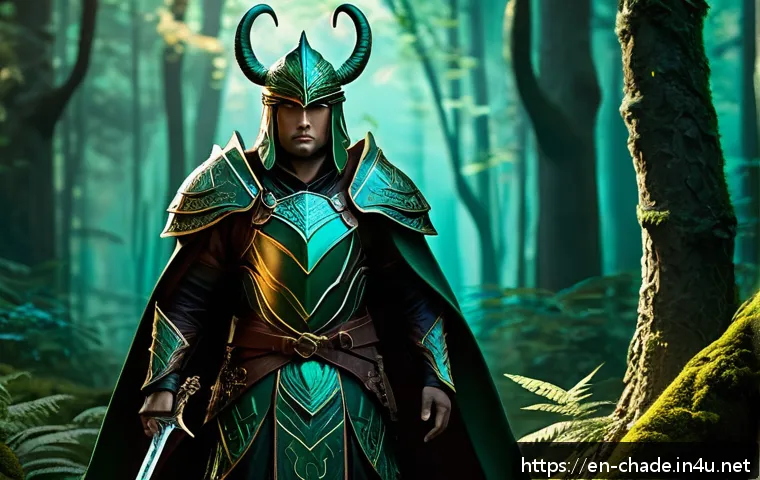
For instance, warm colors like reds and oranges can evoke energy or aggression, while cool blues and greens might suggest calmness or mystery. But it’s also about harmony — clashing colors can distract or confuse the viewer.
I often create mood boards or swatches before finalizing colors, which saves me from redoing the whole design later. Remember, the right color combo can tell your character’s story without a single word.
Balancing Detail and Simplicity
One of the toughest lessons I learned was not to overload a character with too many details. While intricate designs look impressive up close, they can become a nightmare to animate or replicate consistently.
I try to strike a balance by focusing on a few distinctive features that define the character, like a unique hairstyle or an iconic accessory. This approach keeps the character visually interesting but manageable.
Over time, I noticed that simpler designs often age better and adapt more easily across different media, from comics to games.
Building Personality Through Expression and Pose
Capturing Emotion with Facial Features
Nothing brings a character to life like their expressions. Early on, I experimented with exaggerated facial features to convey emotions clearly, and it really helped.
Eyes, eyebrows, and mouth shapes are key players here — small shifts can change an entire mood. For example, slightly raised eyebrows combined with a small smile can convey curiosity or friendliness, while furrowed brows and a tight-lipped mouth might suggest anger or determination.
I often practice drawing my characters in a variety of emotional states to ensure their personality shines through in every frame.
Dynamic Poses That Tell a Story
Static characters can feel lifeless, so I always push myself to design poses that suggest movement or attitude. Whether it’s a confident stance with hands on hips or a relaxed slouch, the pose should reinforce who the character is.
When sketching, I like to imagine the character’s backstory or current situation — this mental exercise guides the body language. It’s amazing how a subtle shift in weight distribution or limb placement can communicate so much about a character’s mood or role in the story.
Using Props and Accessories to Enrich Identity
Props aren’t just background elements; they’re extensions of the character’s personality and history. I’ve found that thoughtfully chosen accessories — like a worn-out backpack, a quirky pair of glasses, or a signature weapon — add layers of meaning.
These items can hint at the character’s profession, hobbies, or past experiences without needing exposition. When I add props, I always consider how they interact with the character’s design and movement to avoid clutter or impracticality.
Mastering the Art of Consistency and Adaptability
Creating a Character Model Sheet
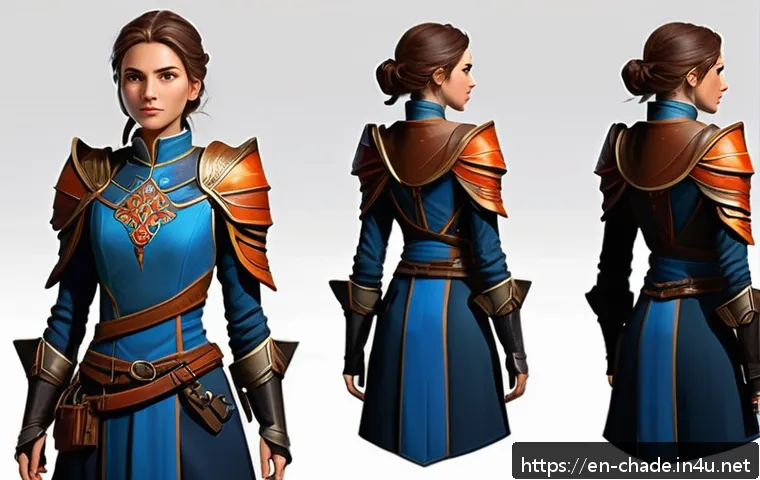
One of the best habits I developed was making a model sheet — a reference sheet that shows the character from multiple angles and in various poses. This tool is invaluable, especially when you’re collaborating with others or revisiting a design after some time.
It ensures that proportions, colors, and details remain consistent throughout the project. Personally, I include close-ups of facial expressions, key accessories, and even color codes.
This saves countless headaches during production and keeps the character instantly recognizable.
Designing for Different Mediums
Characters often need to transition between styles or platforms, like moving from a comic strip to a 3D game. I learned that adaptability is key: a design too complex for animation might need simplification, while a flat cartoon character might need extra detail for a cinematic scene.
When designing, I keep in mind how the character will be used — considering factors like resolution, movement, and audience expectations. This foresight helps create flexible designs that work well across formats without losing their essence.
Maintaining Visual Harmony Across a Cast
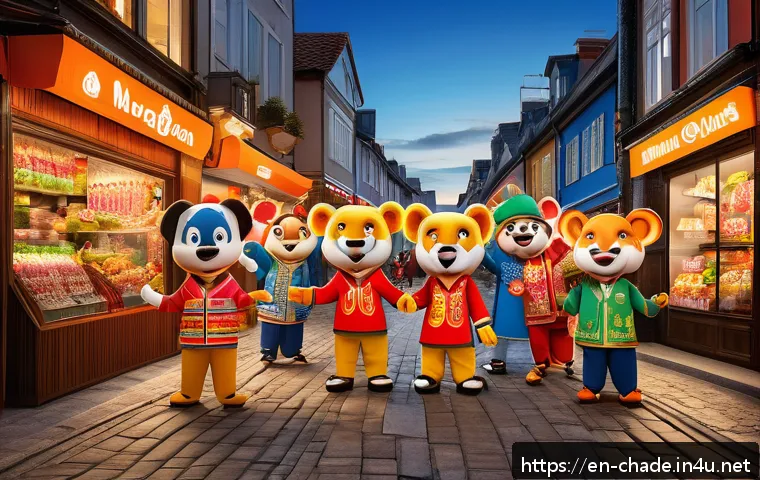
When working on a group of characters, it’s important they look like they belong in the same world. I’ve noticed that balancing unique traits with shared elements — like a consistent line style or color theme — helps create a cohesive cast.
It’s tempting to make every character wildly different, but too much contrast can break immersion. I usually start by defining a visual “family resemblance” and then let individual personalities shine through subtle variations.
Exploring the Psychology Behind Character Appeal
Relatability Through Imperfections
Perfect characters can feel distant or boring, so I try to give mine flaws or quirks that audiences can relate to. Whether it’s a nervous twitch, an awkward smile, or an unusual habit, these little touches humanize the design.
From personal experience, characters with imperfections invite empathy and make stories more engaging. These traits don’t need to be obvious but should be consistent enough to become part of the character’s identity.
Symbolism and Cultural Influences
Incorporating symbolism subtly can deepen a character’s impact. I often research cultural motifs or mythologies to inspire designs that resonate on a subconscious level.
For example, using certain colors, shapes, or animal traits can evoke specific qualities or themes. However, it’s important to approach this respectfully and avoid stereotypes.

Thoughtful integration of symbolism can enrich the character’s backstory and create layers for attentive audiences to discover.
Balancing Familiarity and Novelty
Characters should feel fresh but not alienating. I learned that mixing familiar archetypes with unique twists can captivate audiences. For instance, a classic hero might have an unexpected weakness, or a villain could show moments of kindness.
This balance keeps viewers invested and curious. When designing, I ask myself what makes my character stand out while still feeling believable within their world.
Leveraging Technology to Enhance Creativity
Digital Tools for Experimentation
Switching to digital platforms was a game changer for me. Programs like Procreate and Photoshop allow quick iteration without wasting materials. I can experiment with different styles, colors, and shapes rapidly, which encourages risk-taking.
Features like layering and undo also make refining details less stressful. Digital tools open up a playground for creativity where mistakes become learning opportunities rather than setbacks.
Incorporating 3D Modeling Basics
Even a basic understanding of 3D modeling can improve 2D character designs. I found that visualizing my characters as three-dimensional forms helped with perspective and volume.
Software like Blender is surprisingly accessible and can be used to create simple maquettes for reference. This practice makes my drawings feel more grounded and consistent, especially when depicting complex poses or lighting.
Using Animation as a Feedback Loop
Animating your character, even in simple loops or gestures, provides insight into what works and what doesn’t. When I animate my designs, I notice awkward shapes or unclear features that might have been missed in still images.
Animation forces the character to “move” in a believable way, highlighting strengths and weaknesses in the design. This iterative process is invaluable for refining and polishing your work.
Understanding the Business Side of Character Design
Building a Portfolio That Speaks
A portfolio is more than a collection of drawings — it’s your visual resume. I learned that showcasing variety alongside consistency impresses clients and collaborators.
Including turnaround sheets, expression studies, and final renders demonstrates your full skill set. Also, presenting your work in context, like mockups or short animations, helps viewers imagine your character in action.
Regularly updating your portfolio with fresh work keeps it relevant and engaging.
Networking with Industry Communities
Connecting with other artists and professionals accelerates growth. I’ve made some of my best breakthroughs by sharing work in forums, attending conventions, or joining online groups.
These spaces offer feedback, inspiration, and opportunities that are hard to find alone. Being active and supportive within communities builds your reputation and can lead to collaborations or commissions.
Understanding Copyright and Licensing Basics
Protecting your designs is crucial, especially if you want to monetize your work. I recommend learning the basics of copyright, trademarks, and licensing early on.
This knowledge helps you navigate contracts, avoid infringement, and maintain control over your creations. It also empowers you to negotiate deals confidently, whether it’s for merchandise, games, or animation projects.
| Aspect | Key Considerations | Practical Tips |
|---|---|---|
| Silhouette | Uniqueness, readability | Test with black fill, simplify shapes |
| Color Palette | Emotion, harmony, symbolism | Limit colors, create swatches, use mood boards |
| Detail Level | Balance between complexity and simplicity | Focus on distinctive features, avoid clutter |
| Expression & Pose | Emotional clarity, storytelling | Practice varied emotions, dynamic body language |
| Consistency | Model sheets, adaptability across media | Create detailed reference sheets, consider usage context |
| Psychology | Relatability, symbolism, novelty | Add quirks, research cultural elements, mix archetypes |
| Technology | Digital tools, 3D basics, animation feedback | Use software for iteration, model reference, animate designs |
| Business | Portfolio, networking, copyright | Showcase versatility, engage communities, understand rights |
Closing Thoughts
Designing a character’s visual identity is a blend of creativity, psychology, and practical considerations. By focusing on clear silhouettes, meaningful colors, and expressive poses, you can create memorable and relatable characters. Consistency and adaptability ensure your designs work across different media, while understanding the business side helps you protect and promote your work. With the right tools and mindset, character design becomes both an art and a strategic process.
Helpful Information to Remember
1. A strong silhouette makes your character instantly recognizable, even at a glance.
2. Choose colors that reflect personality and mood, keeping harmony to avoid confusion.
3. Balance detail with simplicity to make your character visually appealing and easy to reproduce.
4. Use expressive facial features and dynamic poses to bring your character’s personality to life.
5. Build a solid portfolio, engage with creative communities, and understand your rights to grow professionally.
Key Takeaways
Creating compelling characters requires mastering visual clarity, emotional depth, and practical consistency. Prioritize unique but readable designs, thoughtful use of color, and expressive storytelling through pose and props. Embrace technology to refine your work and always consider how your character fits into various media. Lastly, protect your creations by knowing copyright basics and actively building your professional network.
Frequently Asked Questions (FAQ) 📖
Q: What are the fundamental principles I should focus on when starting character design?
A: When beginning with character design, it’s essential to focus on shape language, silhouette, and color theory. Shapes convey personality—sharp angles might suggest toughness, while rounded shapes feel friendly.
A strong silhouette ensures your character is instantly recognizable even in shadow. Also, consider color palettes carefully; colors can evoke emotions and help communicate your character’s traits.
From my experience, balancing these elements early on makes your character memorable and relatable.
Q: How can I make my characters stand out in a crowded market of indie games and digital art?
A: To make your characters truly stand out, inject unique personality traits and backstory into their design. Instead of just focusing on aesthetics, think about what drives your character, their quirks, and how those can be visually represented—like a worn-out jacket hinting at a rough past or an unusual accessory that sparks curiosity.
I’ve found that storytelling through design hooks the audience emotionally, making your characters more than just visuals but memorable personalities.
Q: What tools or techniques can help improve my character design skills faster?
A: Practicing consistently with a variety of tools really speeds up growth. Digital platforms like Procreate or Photoshop offer versatile brushes and layers, allowing you to experiment without fear of mistakes.
I also recommend studying anatomy and gesture drawing to bring natural movement and life to your characters. Watching animated series or playing indie games and analyzing their designs can offer fresh inspiration.
Personally, mixing traditional sketching with digital refinement has deepened my understanding and improved my designs significantly.