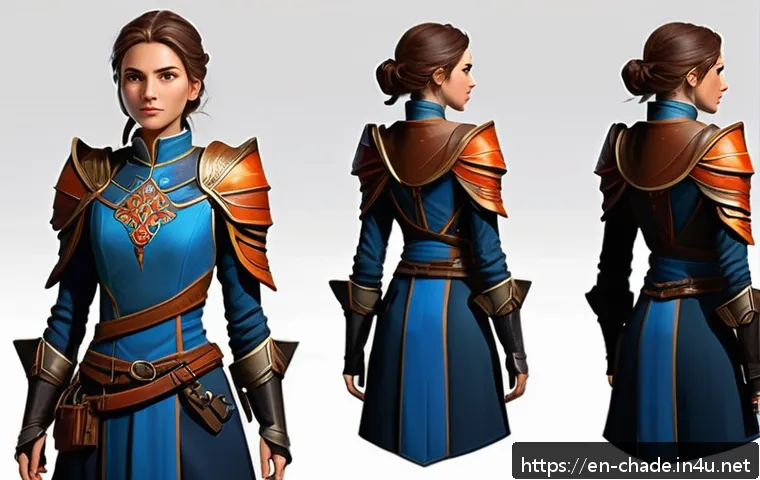
In today’s fast-evolving creative landscape, character designers face more than just technical challenges—they must master soft skills that breathe life and emotion into their creations.

As storytelling becomes increasingly immersive, understanding empathy, communication, and collaboration is essential for crafting characters that truly resonate.
Whether you’re working solo or within a dynamic team, these subtle skills can transform your designs from static images to compelling personalities. If you’ve ever wondered how top designers create characters that stick with us long after the story ends, this dive into soft skills is your gateway.
Let’s explore how honing these abilities can elevate your craft and captivate your audience like never before.
Building Emotional Depth Beyond the Sketch
Reading Between the Lines: Understanding Character Motivations
Creating a character that feels real starts with grasping their inner world. It’s not just about how they look but why they do what they do. When I first began designing, I realized that simply drawing cool outfits or striking poses wasn’t enough to make people care.
I started asking myself questions like: What keeps this character up at night? What are their dreams and fears? Diving deep into these layers helps you craft expressions, posture, and subtle details that communicate emotions without saying a word.
This emotional depth is what hooks audiences and makes a character memorable long after the story ends.
Empathy as a Creative Tool
Empathy isn’t just for personal relationships; it’s a secret weapon in character design. When I try to walk in my character’s shoes, I find it easier to depict nuanced reactions and believable flaws.
For instance, designing a shy character requires more than just a timid stance. You have to feel their hesitation, their longing to connect, and their internal conflicts.
This emotional resonance translates visually through small but powerful design choices—like the way they avoid eye contact or clutch their belongings tightly.
Empathy transforms a flat drawing into a living, breathing personality.
Capturing Authenticity Through Imperfections
Perfection often feels safe, but in character design, imperfections tell stories. Wrinkles, scars, uneven posture—these details whisper a character’s history and struggles.
I remember when I added a subtle limp to a warrior character; it sparked so many questions from my audience about their past battles and resilience. Imperfections make characters relatable because nobody’s flawless in real life.
Allowing yourself to embrace these quirks not only enriches your design but invites viewers to connect on a deeper level.
Mastering the Art of Visual Storytelling
Expressive Poses that Speak Volumes
A character’s pose can communicate more than words ever could. When I’m sketching, I experiment with body language to capture mood and intention. A slumped shoulder might convey defeat, while a confident stance radiates power.
What I’ve learned is that dynamic poses add life and narrative context, making a character’s story instantly understandable. It’s like they’re frozen in a moment that tells you exactly who they are and what they’re feeling.
Designing with Color Psychology in Mind
Colors evoke emotions—this is something I witnessed firsthand when I switched a villain’s palette from dark purples to fiery reds. The shift completely altered the character’s perceived intensity and menace.
Warm colors can energize or intimidate, while cool tones might calm or create distance. Choosing colors thoughtfully lets you steer the audience’s subconscious reactions.
It’s a subtle but incredibly powerful way to amplify your character’s personality through visuals.
Balancing Detail and Simplicity for Impact
Overloading a design with details can overwhelm viewers and dilute the character’s essence. Early in my career, I fell into the trap of adding too many accessories and intricate patterns, thinking it would make the character more interesting.
Instead, it distracted from their core traits. I learned to focus on key elements that highlight the character’s identity while keeping other areas clean and readable.
This balance ensures your design is striking and memorable, even at a glance.
Enhancing Collaboration with Clear Communication
Translating Ideas into Shared Visual Language
Working with writers, animators, or directors means your design has to speak a common language. I’ve found that using quick sketches, mood boards, and descriptive notes helps bridge gaps in understanding.
When you articulate your vision clearly, it’s easier for the team to grasp the character’s essence and maintain consistency across different mediums. Plus, it reduces revisions and speeds up the creative process.
Receiving and Integrating Feedback Gracefully
Feedback can be tough, but it’s a goldmine for growth. I’ve learned not to take critiques personally but rather as opportunities to see my work from fresh perspectives.
Listening carefully and asking clarifying questions often uncovers insights I hadn’t considered. Sometimes a small tweak based on feedback can elevate a character from good to unforgettable.
Embracing this mindset fosters trust within the team and leads to stronger, more polished designs.
Negotiating Creative Differences with Empathy
In collaborative environments, conflicts about character direction are inevitable. I’ve experienced moments where my vision clashed with others, but approaching these situations with empathy usually leads to better outcomes.
Understanding where the other person is coming from—whether it’s a writer’s narrative goals or an animator’s technical constraints—helps me find middle ground without sacrificing the character’s integrity.
This respectful negotiation keeps the creative energy flowing smoothly.
Adapting to Diverse Storytelling Mediums
Designing for Animation vs. Static Illustration
Each medium demands unique considerations. When designing for animation, I keep in mind how a character will move and express emotion frame by frame. This means simplifying shapes, avoiding overly complex details, and ensuring the design works from multiple angles.
For static illustrations, there’s more freedom to explore intricate details and dramatic poses since the character won’t need to be animated. Knowing these differences early on saves time and enhances the final product’s effectiveness.
Considering Audience and Cultural Context
Characters resonate best when they reflect or respectfully represent the audience’s culture and values. I make it a point to research cultural symbols, fashion, and storytelling traditions relevant to the character’s background.
Ignoring these elements can result in designs that feel shallow or even offensive. On the other hand, thoughtful cultural integration enriches the narrative and builds trust with diverse audiences.

Adapting to Platform Constraints and Trends
Design trends and platform limitations shape how characters are perceived. For example, mobile games often require simpler, more iconic designs due to screen size and performance constraints.
Meanwhile, graphic novels might allow for more detailed, textured illustrations. Staying updated on these trends and technical requirements helps me tailor designs that shine in their intended environment without losing personality.
Fostering Creative Resilience and Growth
Embracing Iteration as Part of the Journey
No design is perfect on the first try. I’ve found that embracing the iterative process—sketching, revising, and refining—leads to breakthroughs. Sometimes stepping away and returning with fresh eyes reveals flaws or new possibilities I hadn’t seen before.
This patience and willingness to evolve my work have been crucial in developing characters that truly stand out.
Balancing Personal Style with Project Needs
While it’s tempting to inject your own artistic flair into every character, I’ve learned the importance of aligning my style with the project’s tone and goals.
This might mean dialing back certain elements or experimenting with new techniques outside my comfort zone. Flexibility not only broadens my skillset but also makes collaborations more successful and satisfying.
Seeking Inspiration Beyond the Usual Sources
When I hit creative blocks, I deliberately step outside the typical character design sphere. Nature, architecture, everyday people, and even music have sparked fresh ideas and unexpected character traits.
Broadening your sources of inspiration fuels innovation and prevents your designs from becoming repetitive or cliché.
| Soft Skill | Practical Application | Impact on Character Design |
|---|---|---|
| Empathy | Imagining character’s feelings and perspectives | Creates emotional depth and relatability |
| Communication | Sharing vision clearly with team members | Ensures cohesive storytelling and reduces revisions |
| Adaptability | Tailoring designs for different media and trends | Enhances usability and audience connection |
| Resilience | Welcoming feedback and iterative improvement | Leads to stronger, polished final characters |
| Observation | Noticing subtle details and real-life influences | Enriches authenticity and uniqueness |
Harnessing Intuition to Inform Design Choices
Trusting Your Gut When Defining Character Traits
Sometimes, the best design decisions come from intuition rather than logic. I’ve had moments where a spontaneous sketch or color choice just “felt right” and ended up defining the entire character.
While research and planning are essential, trusting your instincts can unlock originality and emotional resonance that rigid formulas might miss.
Reading Audience Reactions to Refine Characters
Watching how viewers respond to your designs offers invaluable insights. Early feedback sessions or social media reactions often highlight which traits resonate and which confuse or disengage.
I keep a flexible mindset, ready to tweak designs based on this feedback to better meet audience expectations while preserving core identity.
Balancing Logic and Emotion in the Creative Process
Good character design strikes a balance between analytical thinking and emotional storytelling. I use structured methods like mood boards and character sheets to organize ideas, but I also allow space for spontaneous creativity and emotional exploration.
This blend ensures characters are both believable and captivating, appealing to the heart and mind alike.
Leveraging Storytelling to Enrich Design Impact
Integrating Backstory into Visual Elements
Every wrinkle, scar, or accessory can hint at a character’s past. I like to embed pieces of their history directly into the design, whether it’s a worn-out jacket symbolizing a rough upbringing or a unique tattoo telling a personal story.
These visual cues invite viewers to imagine the character’s journey, deepening their investment.
Using Symbolism to Add Layers of Meaning
Symbols can convey complex ideas quickly. For example, a character carrying a broken locket might symbolize loss or regret. I experiment with incorporating such elements subtly, enriching the narrative without overwhelming the design.
This approach encourages audiences to explore and interpret the character on multiple levels.
Creating Visual Consistency with Narrative Themes
Aligning design elements with the story’s themes helps unify the entire project. If the narrative focuses on transformation, I might design a character whose appearance evolves subtly across scenes.
This cohesion strengthens storytelling and makes the character’s journey more impactful and immersive.
In Conclusion
Developing characters with emotional depth and visual storytelling transforms them from simple sketches into memorable personalities. By embracing empathy, imperfections, and thoughtful design choices, you create connections that resonate deeply with audiences. Collaboration and adaptability further refine your work, ensuring your characters thrive across diverse media. Ultimately, trusting your intuition and weaving narrative layers enriches your creations, making them truly unforgettable.
Helpful Tips to Remember
1. Always explore your character’s motivations to add emotional authenticity beyond appearance.
2. Use empathy to capture subtle, believable traits that make characters relatable.
3. Embrace imperfections as storytelling tools that reveal history and personality.
4. Balance detail and simplicity to ensure your design is clear and impactful.
5. Stay open to feedback and adapt your designs to fit different media and audience needs.
Key Takeaways
Successful character design combines emotional insight with practical skills. Understanding motivations, applying empathy, and incorporating imperfections create depth and relatability. Clear communication and flexibility enable smooth collaboration and adaptation to various platforms. Trusting intuition alongside structured methods results in authentic, compelling characters. Lastly, embedding narrative elements visually strengthens storytelling and audience engagement.
Frequently Asked Questions (FAQ) 📖
Q: uestionsQ1: Why are soft skills important for character designers beyond technical abilities?
A: Soft skills like empathy and communication allow character designers to create more relatable and emotionally engaging characters. While technical skills help build the visual aspects, soft skills breathe life into those visuals, making characters memorable and authentic.
For example, understanding a character’s motivations through empathy helps designers add subtle expressions or posture that resonate deeply with audiences.
Q: How can character designers improve their collaboration skills when working in a team?
A: Improving collaboration starts with active listening and clear communication. Designers should openly share ideas and be receptive to feedback without defensiveness.
Using collaborative tools and regular check-ins ensures alignment. From my experience, successful teamwork happens when everyone feels their creative input matters, which often leads to richer, more dynamic character designs.
Q: What practical steps can solo character designers take to develop empathy in their work?
A: Solo designers can enhance empathy by researching real-life stories, observing people, or even role-playing scenarios their characters might face. Journaling a character’s backstory and emotional states helps internalize their perspective.
I’ve found that stepping outside my own viewpoint and imagining how others feel adds depth and nuance to my characters, making them more believable and impactful.