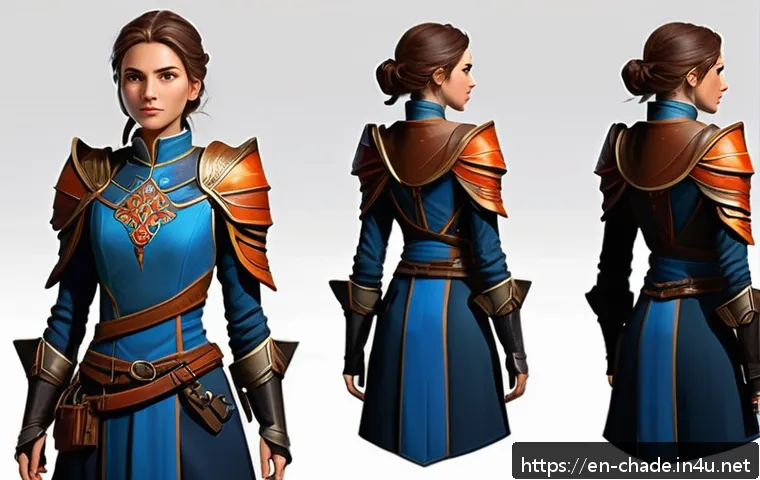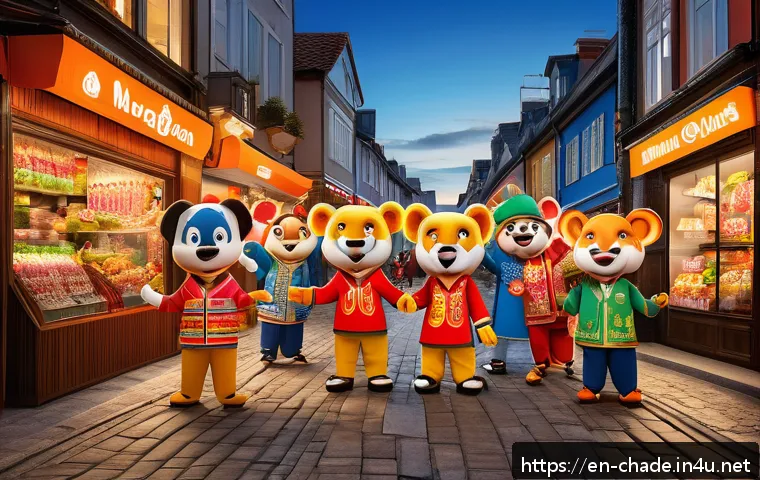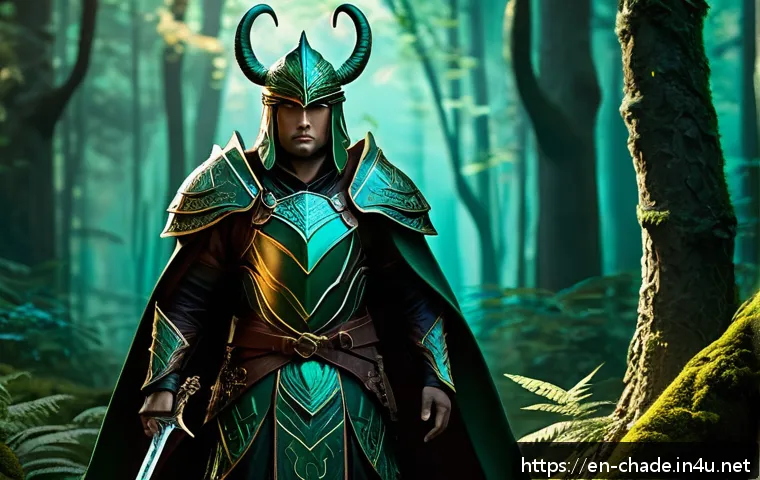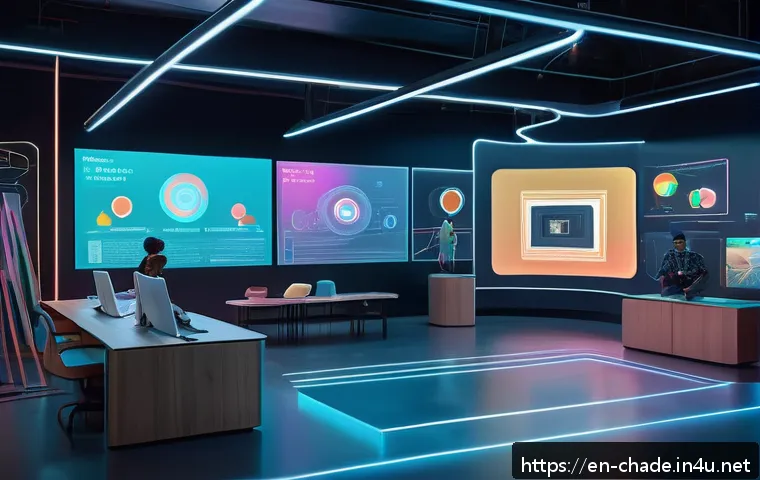
In 2024, character design is undergoing a thrilling transformation driven by cutting-edge technology and evolving cultural perspectives. From AI-powered tools reshaping creative workflows to a growing demand for diverse and authentic representation, the landscape is more dynamic than ever.
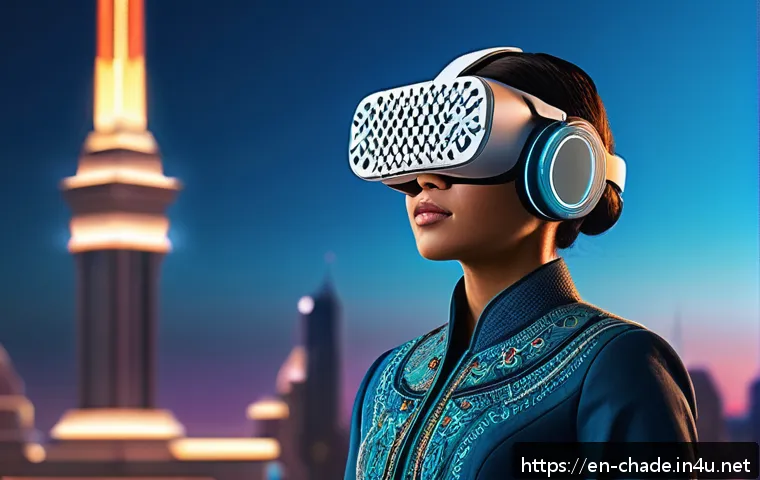
Whether you’re a designer, storyteller, or simply fascinated by digital art, understanding these shifts is key to staying ahead. Let’s dive into how emerging tech and cultural trends are not just influencing but revolutionizing the way characters come to life today.
You won’t want to miss the innovations shaping the future of creativity!
Redefining Creativity with AI-Assisted Character Design
How AI Tools Enhance Artistic Expression
AI-driven platforms are no longer just assistants; they’re becoming co-creators in character design. From generating initial concept sketches to suggesting color palettes and even animating subtle facial expressions, these tools drastically reduce the time needed for routine tasks.
What’s exciting is how designers can now experiment more boldly, using AI to explore styles and ideas they might never have considered. I remember trying an AI sketch generator last year—it surprised me with unique character poses I wouldn’t have drawn myself, pushing my creative boundaries.
This doesn’t mean the artist’s touch is replaced; rather, AI acts as a creative partner that accelerates the iterative process, allowing more focus on storytelling and emotional depth.
Balancing Automation and Human Intuition
While AI can do heavy lifting, the human element remains crucial. The best character designs still require an artist’s intuition to infuse personality and subtle cultural nuances.
I’ve noticed in my own work that AI outputs sometimes feel a bit generic or lack emotional resonance until I refine them. This interplay between technology and human creativity is where magic happens—letting machines handle repetitive tasks frees up mental space for artists to dive deeper into character backstory, motivations, and unique quirks that make them memorable.
The Ethical Implications of AI in Design
Another layer to consider is how AI-generated content raises questions about originality and authorship. With tools trained on vast datasets, designers must be mindful of copyright concerns and the potential for unintentional replication.
From my experience, staying transparent about AI’s role in the workflow and adding personal touches helps maintain authenticity and trust with audiences.
This evolving landscape is encouraging conversations around responsible AI use, pushing the industry toward clearer guidelines and respect for creative ownership.
Championing Diversity and Authenticity in Characters
Reflecting Real-World Cultures and Identities
There’s a growing demand for characters that genuinely reflect diverse backgrounds, identities, and experiences. This shift isn’t just about ticking boxes—it’s about crafting stories and visuals that resonate with a broader audience.
I’ve worked on projects where incorporating authentic cultural elements transformed characters from stereotypes into fully realized individuals. This requires research, sensitivity, and often collaboration with people from those communities to avoid tokenism and instead celebrate richness and complexity.
Breaking Away from Traditional Archetypes
The days of one-size-fits-all character molds are fading. Today’s audiences crave complexity—heroes with flaws, villains with relatable motives, and characters who challenge gender norms or societal expectations.
This trend is exciting because it pushes designers to think beyond clichés and embrace more nuanced portrayals. From my perspective, creating such layered characters leads to stronger emotional connections and more meaningful storytelling.
The Impact on Storytelling and Audience Engagement
Characters that feel authentic and diverse don’t just look different—they change how stories unfold and how audiences engage. When viewers see themselves represented, it deepens empathy and investment.
I’ve noticed that social media buzzes more around stories with diverse casts, driving organic reach and community building. For creators, this translates into longer engagement times and richer fan interactions, which are invaluable for sustaining content success.
Immersive Experiences through 3D and Virtual Reality
Bringing Characters to Life in New Dimensions
3D modeling and VR technologies are revolutionizing character design by allowing creators to build fully immersive worlds. Instead of flat illustrations, characters now inhabit dynamic environments where users can explore their personalities through movement and interaction.
I recall working with a VR character model where subtle facial animations and body language made the digital persona feel surprisingly alive. This level of immersion opens up storytelling possibilities that were impossible before.
Tools That Lower Barriers for Designers
Advancements in user-friendly 3D software and VR platforms mean more artists can experiment without deep technical knowledge. Programs offering drag-and-drop interfaces or AI-assisted rigging make character creation accessible to a wider pool of creatives.
This democratization is exciting because it diversifies the voices shaping digital character culture. Personally, I found that using these intuitive tools helped me prototype ideas faster and share concepts with clients in a more engaging way.
Challenges and Opportunities in Immersive Design
Of course, creating immersive characters comes with challenges like ensuring smooth animation, optimizing for performance, and maintaining visual consistency across platforms.
But overcoming these hurdles pays off with richer user experiences that can elevate brand storytelling or gaming engagement. From what I’ve seen, the investment in mastering these technologies is already yielding strong returns, especially as audiences increasingly seek interactive and personalized content.
Collaborative Creativity in the Age of Digital Communities
Open Platforms and Shared Inspiration
The rise of digital communities and social platforms has changed how character designers find inspiration and feedback. Online forums, art challenges, and collaborative projects enable creatives worldwide to exchange ideas instantly.
I’ve joined several character design groups where sharing work-in-progress sketches leads to immediate constructive critiques, helping refine concepts faster than ever.
This social aspect not only improves quality but builds a sense of belonging in what can sometimes feel like a solitary craft.
Co-Creation with Fans and Audiences
Another exciting trend is involving fans directly in the design process. Crowdsourcing ideas or voting on design elements creates a participatory experience that strengthens loyalty.
I once ran a poll asking followers to choose a character’s hairstyle and was amazed by how invested people became—it turned into a mini community event.
This approach can boost engagement metrics significantly while making the character feel like a shared creation rather than a top-down product.
Managing Intellectual Property in Collaborative Spaces
While collaboration offers many benefits, it also requires careful management of intellectual property rights and credit attribution. Transparent agreements and clear communication help prevent conflicts and ensure all contributors feel valued.
Drawing from personal experience, establishing these boundaries early on makes collaborative projects smoother and more rewarding for everyone involved.
The Rise of Personalized and Interactive Characters
Customization as a Core Experience
Users today expect more control over how characters look and behave, especially in gaming and virtual environments. Customization options ranging from physical features to voice and personality traits let players create avatars that truly represent them.
I’ve experimented with character builders that allow real-time tweaks, and it’s fascinating how small changes in appearance or expression can deepen emotional attachment and immersion.
AI-Driven Behavioral Adaptations
Beyond appearance, AI is enabling characters to respond dynamically to user choices and emotions. This means NPCs (non-player characters) or virtual assistants can exhibit personalized reactions, making interactions feel natural and meaningful.
In one project, we integrated sentiment analysis so the character’s mood shifted based on player dialogue—this level of responsiveness added a whole new dimension to storytelling that kept users hooked longer.
Monetization through Personalization
Personalized characters also open fresh revenue streams, from selling custom skins and accessories to subscription models for exclusive content. From what I’ve observed, offering meaningful customization options not only boosts user satisfaction but also increases lifetime value per user.
It’s a win-win, where players feel empowered and brands benefit financially.
Environmental and Ethical Consciousness in Design Choices
Eco-Friendly Production Methods
Sustainability is becoming a priority in digital arts, including character design. Artists and studios are exploring ways to reduce carbon footprints by optimizing rendering processes and using green energy sources.
I personally started paying attention to the environmental impact of cloud computing hours during animation projects and found ways to batch tasks efficiently, cutting energy use without sacrificing quality.
Promoting Positive Social Messages
Character design also plays a role in advocating for social causes. Designers are crafting characters that challenge harmful stereotypes, promote inclusivity, and raise awareness about mental health or environmental issues.
This approach resonates deeply with conscious audiences and can elevate a project’s cultural impact. I’ve seen how embedding these values into characters encourages meaningful conversations and community support.
Transparency and Ethical Storytelling
Finally, ethical storytelling means being honest about the origins and intentions behind character designs. Audiences today value transparency and authenticity more than ever.
Sharing the creative process, acknowledging cultural inspirations, and addressing potential biases help build trust. In my experience, this openness strengthens audience relationships and fosters a loyal following that appreciates the thoughtful approach.
| Trend | Impact on Character Design | Key Technologies/Practices | Benefits |
|---|---|---|---|
| AI-Assisted Creativity | Speeds up workflows, expands idea generation | AI sketch generators, color suggestion, animation tools | More experimentation, faster iteration, enhanced creativity |
| Diversity and Authenticity | Creates relatable, nuanced characters | Research, cultural consultation, inclusive design | Broader audience connection, deeper storytelling |
| 3D and VR Immersion | Enables interactive, lifelike characters | 3D modeling software, VR platforms, motion capture | Greater engagement, new storytelling formats |
| Collaborative Creation | Facilitates idea exchange and fan involvement | Online communities, social media, crowdsourcing | Improved designs, stronger fan loyalty |
| Personalization and Interactivity | Allows user-driven character customization | Avatar builders, AI behavioral systems | Higher user attachment, monetization opportunities |
| Environmental & Ethical Focus | Encourages sustainable and responsible design | Green tech, ethical storytelling, transparency | Positive brand image, audience trust |
Cross-Platform Consistency and Branding
Maintaining Visual Identity Across Media
In today’s fragmented digital landscape, characters often appear in games, animation, marketing, and social media simultaneously. Ensuring consistency across these platforms is crucial to building a recognizable brand.
From my experience, establishing a comprehensive style guide early on—including color schemes, proportions, and personality traits—helps maintain coherence.
This consistency not only strengthens brand recall but also supports storytelling continuity, making characters feel like they belong to the same universe no matter where fans encounter them.
Leveraging Characters as Brand Ambassadors
Characters have evolved into powerful brand ambassadors that embody a company’s values and voice. Whether it’s a mascot or a virtual influencer, their design and personality can shape public perception.
I’ve worked with brands that use characters to humanize messaging, making campaigns more relatable and memorable. This approach amplifies marketing impact and fosters emotional connections that translate into customer loyalty.
Adapting Designs for Emerging Channels
As new platforms like augmented reality apps and short-form video dominate user attention, character designs must adapt accordingly. This means simplifying details for small screens or creating animations that fit vertical video formats.
From what I’ve seen, staying flexible and anticipating platform-specific requirements is key to keeping characters relevant and effective across evolving digital ecosystems.
Embracing Emotional Depth and Psychological Realism
Designing Characters with Complex Emotions
Modern audiences crave characters who feel emotionally authentic, not just visually appealing. This involves designing facial expressions, body language, and subtle cues that convey internal struggles, joys, or conflicts.
I remember spending extra time refining micro-expressions on a character’s face to communicate vulnerability, and the feedback was overwhelmingly positive—viewers connected on a deeper level because the character “felt real.”
Incorporating Psychological Archetypes
Drawing from psychological theories like Jungian archetypes helps designers craft characters with universal appeal and layered personalities. These archetypes provide a framework for balancing traits such as heroism, shadow, and mentor roles.
I’ve found that integrating these concepts adds richness to characters, making them resonate across cultures and storytelling genres.
Using Narrative to Enhance Design Impact
Character design and narrative go hand in hand. Visual elements should support and amplify the story being told. For example, scars, clothing choices, or posture can hint at backstory or personality traits without explicit exposition.
My approach involves close collaboration with writers to ensure design choices reinforce narrative themes, resulting in characters who are not just eye-catching but also deeply meaningful.
Future-Proofing Character Design Skills
Continuous Learning in a Rapidly Changing Field
The pace of technological and cultural change means designers must stay curious and adaptable. I regularly invest time in learning new software, following emerging trends, and engaging with diverse creative communities.
This habit keeps my skills sharp and ensures I’m ready to incorporate fresh ideas and tools into my projects.
Building a Versatile Portfolio
Having a portfolio that showcases a range of styles, mediums, and cultural influences demonstrates flexibility and broad appeal. I’ve seen how this versatility opens doors to varied projects—from indie games to global campaigns—allowing for a more sustainable and exciting career path.
Networking and Mentorship
Finally, connecting with other creatives and seeking mentorship accelerates growth. Sharing experiences and receiving feedback enriches both technical skills and creative confidence.
Personally, mentorship has been invaluable in navigating industry shifts and discovering new opportunities, proving that even in a tech-driven world, human connections remain essential.
Conclusion
As technology continues to evolve, AI-assisted character design is reshaping creative possibilities in exciting ways. Combining human intuition with innovative tools allows artists to craft richer, more authentic characters that resonate deeply with audiences. Embracing diversity, immersive experiences, and ethical practices not only enhances storytelling but also builds stronger connections between creators and their communities. Staying adaptable and collaborative will be key to thriving in this dynamic landscape.
Helpful Information
1. AI tools can significantly speed up the character design process by handling repetitive tasks, freeing artists to focus on storytelling and emotional depth.
2. Authentic representation requires thoughtful research and cultural sensitivity to avoid stereotypes and create truly relatable characters.
3. Immersive technologies like 3D modeling and VR open new avenues for interactive storytelling, making characters feel more alive and engaging.
4. Collaborative platforms and fan involvement foster creative exchange and boost audience loyalty through shared ownership of designs.
5. Personalization options and AI-driven behaviors deepen user engagement and create new monetization opportunities.
Key Takeaways
Balancing AI innovation with human creativity is essential to producing meaningful character designs that stand out. Prioritizing diversity and ethical storytelling builds trust and enriches narratives. Leveraging emerging technologies and community collaboration expands creative horizons and audience reach. Finally, continuous learning and adaptability will empower designers to future-proof their skills in an ever-changing industry.
Frequently Asked Questions (FAQ) 📖
Q: How is
A: I technology changing the character design process in 2024? A1: AI has become a game-changer in character design by streamlining repetitive tasks and offering new creative possibilities.
Designers now use AI-powered tools to quickly generate concept art, experiment with styles, and even create lifelike animations without starting from scratch.
From my experience, this not only speeds up workflows but also opens doors to ideas that might not have emerged through traditional methods. However, the human touch remains essential to infuse personality and emotion into characters, making AI a powerful assistant rather than a replacement.
Q: Why is diversity and authentic representation so important in character design today?
A: Today’s audiences crave characters they can relate to, reflecting a wide spectrum of identities, cultures, and experiences. Incorporating diversity isn’t just a trend; it’s about creating meaningful connections and fostering inclusivity.
When designers embrace authentic representation, characters feel more genuine and resonate deeply with viewers. I’ve noticed that stories with diverse characters often spark stronger emotional engagement and broaden the appeal, which also benefits creators by reaching wider audiences.
Q: What are some emerging trends in character design that storytellers should watch for?
A: Beyond AI, character design in 2024 is heavily influenced by immersive technologies like AR and VR, allowing characters to exist in interactive environments.
There’s also a shift toward more fluid and dynamic character identities, reflecting evolving cultural attitudes around gender and self-expression. Personally, I find that blending traditional art with digital innovation—such as using motion capture for realistic gestures—adds a new layer of authenticity.
Staying updated on these trends helps storytellers craft characters that feel fresh, relatable, and ready for the future.