Lately, the art world has seen a surge in demand for unique and compelling character designs, driven by booming industries like gaming, animation, and digital storytelling.

Whether you’re an aspiring illustrator or a seasoned artist, mastering essential character design techniques can dramatically elevate your creative projects.
I’ve noticed firsthand how applying these methods transforms not only the look but also the personality and impact of a character. In this post, we’ll dive into key strategies every artist should know to bring their creations to life with authenticity and flair.
Stick around—this journey could be the game-changer you’ve been searching for.
Understanding the Power of Silhouettes in Character Design
Why Silhouettes Matter More Than You Think
When I first started designing characters, I underestimated the importance of a strong silhouette. But quickly, I realized that a character’s silhouette is the first thing that grabs attention and sticks in the viewer’s mind.
A well-defined silhouette helps your character stand out even in a crowded scene or from a distance. It’s like the character’s fingerprint—unique and instantly recognizable.
If your silhouette is muddled or generic, no amount of detail can save the design from feeling forgettable. So, before diving into colors or textures, focus on creating bold, clear shapes that convey the character’s personality and role.
Techniques to Craft Distinctive Silhouettes
Start by sketching multiple rough outlines of your character using only solid black shapes. Don’t worry about details yet; concentrate on the overall form and proportions.
Experiment with exaggerating certain features like oversized hands, angular shoulders, or a unique hairstyle to add interest. Think about the character’s traits—does a villain have sharp, jagged edges?
Is a hero broad and sturdy? Play with these ideas until the silhouette feels balanced but memorable. Also, test your silhouette against various backgrounds to ensure it holds up in different lighting or compositions.
Common Pitfalls and How to Avoid Them
A trap I’ve fallen into is making the silhouette too symmetrical or cluttered, which can confuse the eye. Symmetry often makes characters feel static or bland, so adding asymmetry—like an uneven cape or a tilted hat—adds dynamism.
Also, avoid overcrowding the silhouette with tiny details that get lost; bigger, simpler shapes read better. Finally, don’t forget to consider the character’s pose.
A dynamic stance can elevate even a simple silhouette to something captivating and full of life.
Color Theory: Using Palette to Define Mood and Personality
The Emotional Impact of Color Choices
Color can make or break a character’s identity. From my experience, a well-chosen palette not only enhances aesthetics but also communicates mood and personality without words.
Warm colors like reds and oranges often signal energy, passion, or aggression, while cool colors such as blues and purples evoke calmness, mystery, or melancholy.
When I designed a brooding protagonist, I leaned heavily on muted blues and grays to reflect his introspective nature. Experimenting with color psychology helps you subconsciously guide how viewers feel about your character.
Balancing Contrast and Harmony
One tricky part is balancing contrasting colors to make elements pop without overwhelming the viewer. High contrast areas draw attention—like a bright accessory against a muted outfit—while harmonious colors create a cohesive look.
I usually select one or two accent colors to highlight key features such as eyes or weapons. Tools like color wheels and digital swatches are invaluable here.
Don’t shy away from testing different combinations; sometimes unexpected color pairings breathe new life into your design.
Adjusting Colors for Different Environments
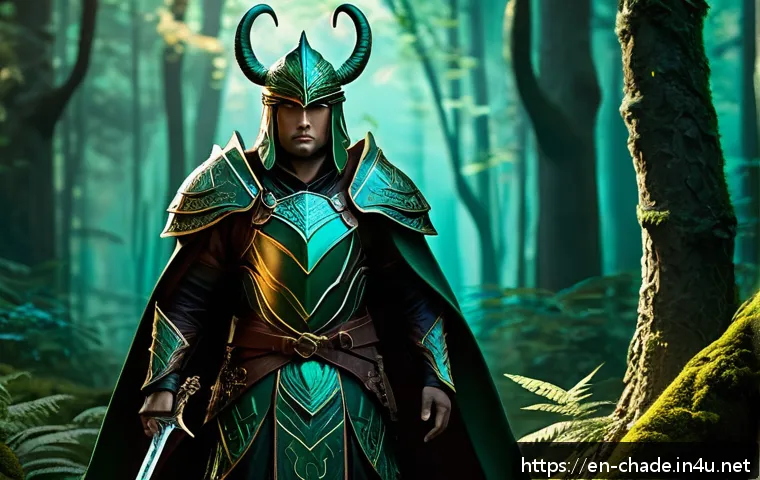
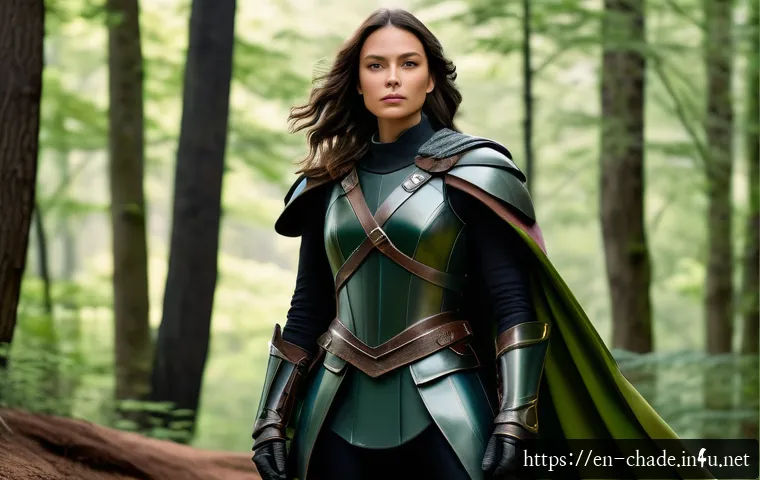
Characters rarely exist in isolation, so their colors should complement the environment. For instance, a forest ranger’s earthy greens and browns will blend well in woodland settings but might clash in a futuristic cityscape.
I always consider lighting and background tones when finalizing my palette. This approach ensures the character doesn’t disappear or feel out of place in the scene, maintaining visual harmony and narrative coherence.
Mastering Facial Expressions to Convey Depth
Subtle Details That Speak Volumes
I’ve learned that subtle facial tweaks often carry more emotional weight than exaggerated expressions. Slight shifts in eyebrow angles, lip curves, or eye squinting can convey complex feelings like skepticism, sadness, or determination.
When I first applied this nuance, my characters felt more believable and relatable. Practice by studying real-life expressions or using a mirror to mimic emotions.
The key is to capture those micro-expressions that bring a character’s inner world to the surface.
Using Expression to Enhance Storytelling
Facial expressions can act as visual storytelling tools, revealing backstory or personality traits without exposition. A character with a permanent smirk suggests confidence or mischief, while a furrowed brow might hint at a troubled past.
In my projects, I often design a range of expressions early on to understand how the character reacts in different situations. This preparation helps animators or illustrators maintain consistency and depth across scenes.
Integrating Expressions with Body Language
Expressions don’t stand alone; they work best when paired with complementary body language. For example, a joyful smile combined with relaxed shoulders creates a convincing happy pose, whereas the same smile with clenched fists might feel forced or ironic.
Observing how people naturally carry themselves during emotional moments has been a game-changer in my workflow. Always think holistically about the character’s entire demeanor to create authentic, multidimensional portrayals.
Building Unique Character Backstories to Inform Design
Why Backstory Shapes Visual Identity
A well-crafted backstory is like a blueprint for your character’s look and behavior. I’ve found that characters without a story often feel shallow or generic.
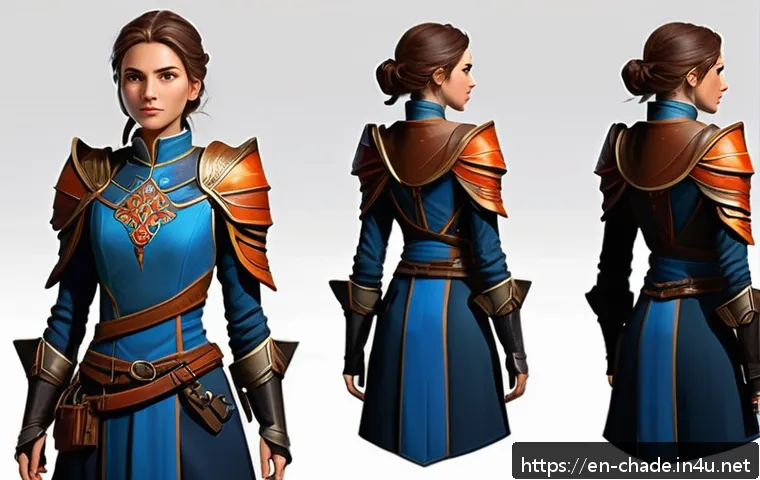
When you know where your character comes from, their clothing, scars, or accessories suddenly make sense. For example, a warrior from a harsh desert might wear layered, breathable fabrics and carry weathered gear, while a tech-savvy hacker might sport sleek, minimalistic attire.
Backstories help infuse meaning into every design choice.
Incorporating Cultural and Environmental Influences
Drawing from cultural or environmental backgrounds adds richness and authenticity. I always research relevant historical or contemporary references to avoid clichés and stereotypes.
This practice helped me create characters that resonate with diverse audiences. For instance, understanding traditional armor designs influenced a medieval knight’s outfit, while considering urban streetwear inspired a rebellious teen character.
These details ground the character in a believable world.
Using Backstory to Drive Emotional Connection
When a character’s history is clear and compelling, it invites empathy. I noticed that viewers engage more deeply with characters whose struggles or motivations are evident through their design.
Including visual hints like worn-out shoes, a family heirloom, or tattoos can subtly tell their story. This emotional hook is crucial for games, comics, or animations where audience investment drives success.
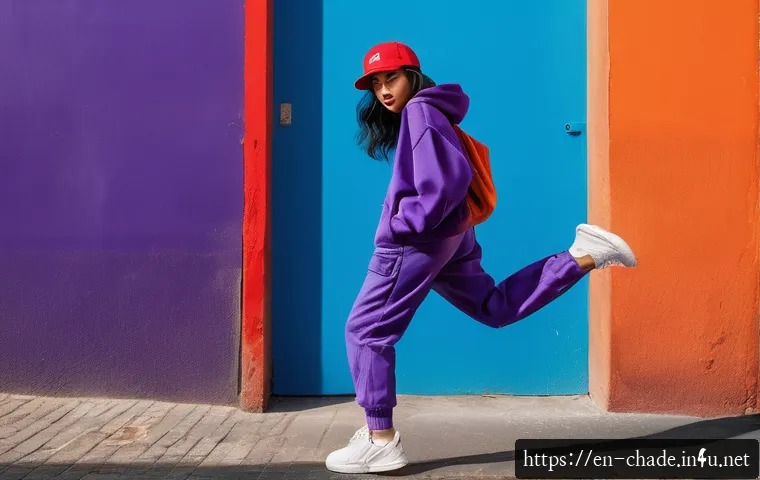
Dynamic Posing and Gesture for Liveliness
Why Static Poses Don’t Cut It
Static, stiff poses can make even the coolest character designs feel lifeless. I’ve seen firsthand how dynamic posing breathes energy into a character, making them feel ready to jump off the page or screen.
Poses communicate attitude, emotion, and action, so they’re essential for storytelling. Whether it’s a confident stance, a defensive crouch, or a playful leap, the way a character holds themselves tells a story without words.
Tips for Creating Natural and Expressive Poses
Start by studying real-life movements—videos, sports, or even your own mirror reflections are gold mines. Break down poses into simple shapes and lines to understand weight distribution and flow.
I often exaggerate poses slightly to emphasize emotion or motion, but the key is maintaining believability. Avoid stiff joints or symmetrical postures, which feel robotic.
Instead, focus on curves and asymmetry to add fluidity and interest.
Gesture Drawing as a Practice Tool
Gesture drawing is one of the best exercises I use to improve posing skills. By sketching quick, loose figures focusing on action lines and rhythm, you capture the essence of a pose without getting bogged down in details.
Doing this regularly trains your eye and hand to create more dynamic and natural characters. It’s a practice I highly recommend for anyone serious about leveling up their character art.
Material and Texture: Adding Tangibility to Your Characters
Choosing the Right Materials for Personality
Materials tell a story just as much as shape or color. Leather, metal, cloth, or skin all evoke different feelings and cultural meanings. When I design characters, I think about what their materials say about them.
For example, shiny, polished armor suggests nobility and discipline, while tattered fabric hints at hardship or rebellion. Selecting textures thoughtfully adds layers of realism and depth.
Techniques to Illustrate Texture Effectively
Rendering textures can be tricky, but I’ve found layering techniques and varied brushwork essential. For instance, to depict worn leather, I combine rough brush strokes with subtle highlights and scratches.
Digital artists might use texture overlays or custom brushes to simulate surface details quickly. Lighting also plays a huge role; how light interacts with a surface can make it feel soft, rough, or reflective.
Experimentation and observation are key.
Balancing Detail with Readability
While textures add richness, too much detail can clutter the design and confuse the viewer. I always step back to evaluate if the textures support the character’s silhouette and overall readability.
Sometimes simplifying or stylizing materials helps maintain clarity, especially in small-scale or fast-moving scenes like games or animations. Striking this balance is vital to keep your character visually appealing and functional.
| Design Aspect | Key Focus | Practical Tips |
|---|---|---|
| Silhouette | Unique, bold shapes | Use solid black sketches, exaggerate features, test in various poses |
| Color Palette | Mood and personality | Apply color psychology, balance contrast, adjust for environment |
| Facial Expression | Subtle emotional cues | Study micro-expressions, pair with body language, prepare expression range |
| Backstory | Design motivation | Research cultural context, incorporate visual hints, build empathy |
| Posing | Dynamic and natural gestures | Study real movement, practice gesture drawing, avoid symmetry |
| Texture | Material realism | Layer brushwork, consider lighting, balance detail with clarity |
Leveraging Feedback and Iteration for Refinement
Embracing Constructive Criticism
One of the biggest breakthroughs in my character design journey came from learning to embrace feedback. Initially, I was hesitant to show unfinished work, fearing judgment.
But over time, I realized that constructive criticism from peers or mentors is invaluable. Fresh eyes catch issues or opportunities I might miss after staring at a design for hours.
The key is to stay open-minded and not take feedback personally—it’s about improving the character, not attacking your skills.
Iterative Design Process
Character design is rarely perfect on the first try. I’ve adopted an iterative approach where I refine sketches, colors, and details through multiple versions.
Each iteration builds on lessons learned and feedback received. Sometimes, stepping away for a day or two helps me return with renewed perspective. Iteration also allows for experimentation—trying new poses, colors, or accessories that might unlock unexpected improvements.
Balancing Personal Vision with Audience Expectations
While feedback is crucial, it’s also important to balance it with your personal creative vision. I’ve found that incorporating suggestions selectively ensures the design stays authentic and aligned with the story you want to tell.
Remember, you are the creator, and your unique voice is what makes your characters compelling. Trust your instincts but stay flexible enough to evolve your work based on meaningful input.
In Conclusion
Character design is a complex blend of creativity, technique, and storytelling. By focusing on silhouettes, color, expression, backstory, posing, and texture, you can create characters that resonate deeply and stand out. Remember, the design process thrives on iteration and feedback, so stay patient and open-minded. Ultimately, your unique vision brings these characters to life in ways only you can achieve.
Useful Tips to Keep in Mind
1. Always start with a bold silhouette to ensure your character is instantly recognizable and memorable.
2. Use color thoughtfully to convey mood and personality, balancing contrast and harmony for maximum impact.
3. Focus on subtle facial expressions paired with body language to create believable emotional depth.
4. Develop a meaningful backstory that informs design choices and builds empathy with your audience.
5. Practice dynamic posing and gesture drawing regularly to bring energy and life into your characters.
Key Takeaways
Strong character design begins with clear, distinctive shapes supported by purposeful color and texture choices. Emotional authenticity comes from subtle expressions and gestures that reflect a well-crafted backstory. Embracing feedback and refining your work through iteration ensures your characters remain fresh, engaging, and true to your creative vision. Balancing clarity with detail is essential to maintain visual appeal and storytelling power.
Frequently Asked Questions (FAQ) 📖
Q: What are the fundamental techniques every artist should focus on when designing characters?
A: At the core, mastering silhouette, shape language, and color theory is essential. Silhouette helps your character stand out instantly, making them recognizable even in shadow.
Shape language conveys personality—sharp angles might suggest aggression, while rounded shapes feel friendly. Color choices evoke mood and identity; for example, warm tones can express energy or passion, whereas cooler hues might imply calm or mystery.
When I started paying attention to these basics, my characters felt more alive and memorable, which really boosted my portfolio’s impact.
Q: How can character design enhance storytelling beyond just visual appeal?
A: Great character design goes way beyond looks; it’s about embodying the character’s backstory, motivations, and emotions visually. Subtle details like posture, facial expressions, and accessories can hint at personality traits or history without a single word.
For instance, a worn-out jacket might tell a story of hardship, while confident stances can communicate strength or determination. From my experience working on indie game projects, characters designed with these narrative layers engage players more deeply, making the story feel richer and more immersive.
Q: What common mistakes should artists avoid when creating original character designs?
A: One frequent pitfall is overcomplicating the design, which can overwhelm viewers and dilute the character’s essence. Another is neglecting consistency—if a character’s style or proportions shift wildly across illustrations, it breaks immersion.
Also, relying too much on trends rather than originality often leads to forgettable designs. I’ve learned that simplifying elements and staying true to a character’s core concept helps maintain clarity and emotional impact.
Plus, regular feedback from peers or target audiences can catch issues early and keep the design grounded.