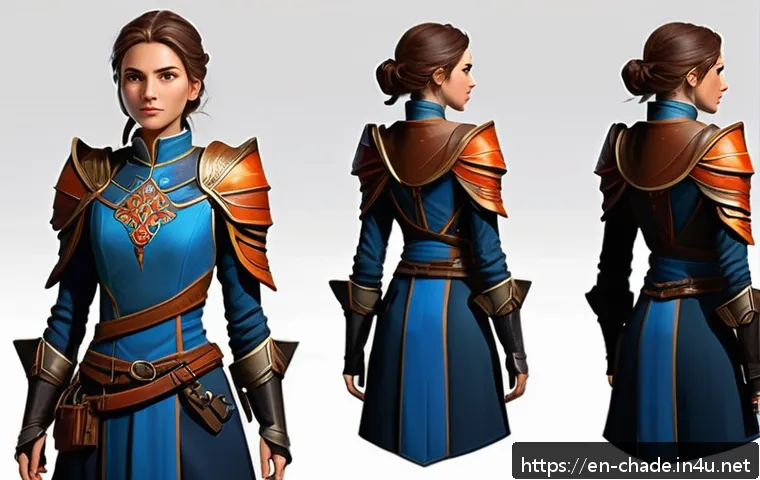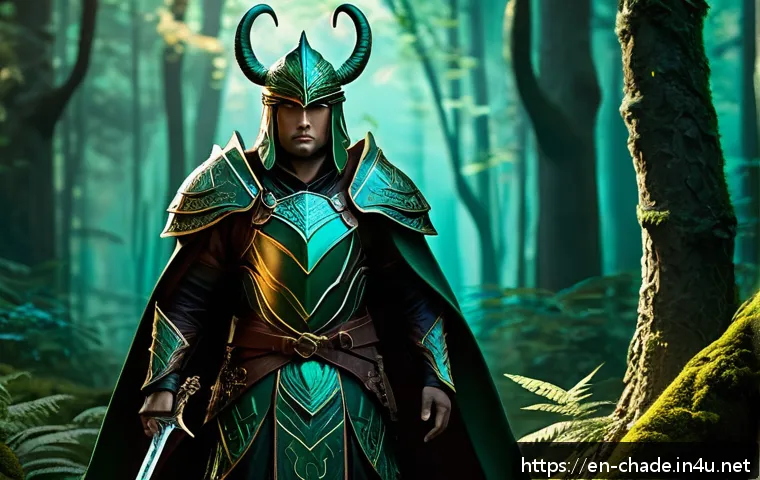
The world of character design is booming, fueled by the ever-growing demand for captivating visuals in games, animation, and digital media. But how much can a professional in this creative field realistically expect to earn?

Salaries can vary widely depending on experience, location, and the specific industry sector. Whether you’re a fresh graduate or a seasoned artist, understanding the financial landscape is crucial for planning your career path.
Curious about what the numbers really look like and how to maximize your earning potential? Let’s dive in and explore the details together!
Understanding the Impact of Experience on Earnings
Entry-Level Character Designers: Finding Your Footing
When you’re just starting out in character design, the salary landscape might feel a bit intimidating. Typically, entry-level designers earn on the lower end of the spectrum, often between $40,000 and $60,000 annually in the U.S.
However, this range can fluctuate based on the studio size and location. For example, a small indie game company in the Midwest might offer less than a big animation studio in Los Angeles or New York.
From my experience, entry-level roles also tend to offer significant growth potential if you’re proactive about learning and networking. It’s not uncommon for fresh graduates to supplement their income with freelance gigs or side projects, which can accelerate skill development and increase earnings.
Mid-Level Designers: Building a Portfolio and Reputation
Once you have a few years under your belt, say 3 to 5 years, your earnings usually start reflecting your growing expertise. Mid-level character designers often see salaries ranging from $60,000 to $90,000, depending on the complexity of projects they’ve handled and the industries they’ve worked in.
I’ve noticed that those who diversify their skills—like mastering 3D modeling in addition to 2D art or learning animation basics—tend to command higher salaries.
Also, working in sectors like AAA gaming or feature animation often pays better than smaller mobile game studios or indie productions. The key here is to leverage your growing portfolio to negotiate better pay or move to more lucrative companies.
Senior and Lead Designers: Commanding Top Dollar
Senior character designers and leads can expect salaries north of $90,000, often exceeding $120,000 in major hubs like San Francisco or Seattle. These roles not only require strong artistic skills but also leadership, project management, and mentoring abilities.
In my conversations with industry professionals, many emphasize how stepping into leadership roles significantly boosts compensation. Beyond base salary, these positions sometimes include bonuses, profit sharing, or stock options, especially in well-funded studios.
The challenge is balancing creative work with managerial duties, but the financial rewards and career satisfaction often make it worthwhile.
How Location Shapes Salary Expectations
Big Cities vs. Smaller Markets
Location is a huge factor in character design salaries. Cities like Los Angeles, San Francisco, New York, and Seattle have some of the highest pay scales due to the concentration of large studios and tech companies.
However, the cost of living in these cities can eat into your earnings more than you might expect. Conversely, smaller cities or regions with emerging creative industries might offer lower salaries, but the lower living costs can balance this out.
From my own relocation experience, moving to a creative hub can jumpstart your career, but it’s essential to weigh salary against expenses and lifestyle.
Remote Work and Its Influence on Pay
The rise of remote work has shifted the landscape dramatically. Many companies now offer remote positions, which can either maintain high salaries or adjust pay based on your geographic location.
Personally, I’ve seen remote roles pay well if you’re working for a studio in a high-cost city, but some companies scale salaries down when employees live in lower-cost regions.
Remote work also opens doors for freelancers and contractors, enabling them to work with clients worldwide, often leading to better pay if you find the right niche.
International Variations in Character Design Salaries
If you’re considering working abroad or for international companies, it’s important to note that salaries vary widely. For instance, character designers in Western Europe or Canada typically earn competitive wages, though sometimes slightly lower than the U.S.
In contrast, emerging markets in Asia or Eastern Europe might offer lower base salaries but can provide valuable experience and opportunities in growing industries.
I’ve noticed that many designers use international experience to build diverse portfolios, which can be a strategic move to increase earning potential over time.
Industry Niches and Their Pay Differences
Gaming: AAA vs. Indie Studios
The gaming industry is one of the largest employers of character designers, but pay varies drastically between AAA studios and indie developers. AAA studios often provide higher salaries, better benefits, and more structured career paths.
For example, a senior character artist at a major studio like Blizzard or Ubisoft can earn well over $100,000 annually. However, indie studios may offer lower fixed salaries but sometimes compensate with profit sharing or creative freedom.
I’ve worked with indie teams where passion projects lead to unexpected financial rewards, but that’s not the norm.
Animation and Film: Artistic Demand and Salary Trends
Character designers in animation and film tend to earn competitive salaries, particularly in major studios like Pixar, DreamWorks, or Disney. These companies often pay well because of the high skill demand and the complexity of character work required for feature films.
However, contract and freelance work is common, which means income can be less predictable. My experience in animation studios taught me that building strong relationships and a reputation for reliability can lead to consistent, well-paying gigs.
Advertising and Digital Media: Creative Flexibility Meets Variable Pay
Character design for advertising or digital media is a growing niche, often involving short-term projects, commercials, or social media content. Salaries here can be quite variable depending on the client and project scale.
Freelancers in this space might earn more per project than salaried employees, but the work can be less stable. In my observation, those who excel in quick turnaround and versatile styles tend to thrive financially, especially when they build a solid client base.
Freelancing and Side Gigs: Boosting Your Income
Why Freelancing Is a Game-Changer
Freelancing can significantly augment a character designer’s income. Many designers I know start freelancing alongside their full-time job to build their portfolio and client list.
This extra work can add anywhere from a few hundred to several thousand dollars monthly, depending on how much time you can dedicate. Freelancing also provides creative freedom and exposure to diverse projects, which can improve your skills and marketability.
Platforms and Networking Tips for Freelancers
Platforms like ArtStation, Upwork, and Behance are popular places to showcase work and connect with potential clients. However, success on these platforms requires more than just good art; it involves consistent communication, meeting deadlines, and managing client expectations.
From personal experience, networking through social media and industry events has been just as crucial—sometimes more—than relying solely on online marketplaces.
Balancing Freelance and Full-Time Work
Managing freelancing while holding a full-time position can be tricky but rewarding. It requires excellent time management and clear boundaries to avoid burnout.
I’ve found that setting realistic goals for freelance income and prioritizing projects that align with my career goals helps maintain balance. Freelance experience can also open doors to new opportunities and salary negotiations in your day job.
Education and Skill Development: Investing in Your Future Earnings
Formal Education vs. Self-Taught Paths
While many character designers come from formal art schools or specialized programs, there are plenty of successful self-taught artists as well. Formal education can provide a solid foundation and networking opportunities, but continuous self-learning and portfolio development are crucial regardless.
Personally, supplementing my degree with online courses and workshops helped me stay current with industry tools and trends, which positively impacted my earning potential.
Mastering Software and Tools
Proficiency in industry-standard software like Adobe Photoshop, ZBrush, Blender, and Maya can make a big difference in salary negotiations. I’ve seen designers who master multiple tools often land better-paying jobs because studios value versatility.
Staying updated with new technologies, like real-time rendering engines and AI-assisted design tools, also helps keep your skills relevant and marketable.
Specializing vs. Generalizing
Some designers choose to specialize in a particular style or type of character, while others prefer being generalists who can handle a wide range of design challenges.
Both paths have their merits. Specialization can lead to higher pay in niche markets, while being a generalist can open more job opportunities. I’ve personally shifted between the two over my career, finding that flexibility often leads to better financial stability.
Salary Benchmarks and What to Expect
| Career Stage | Average Salary (USD) | Common Industries | Key Influencing Factors |
|---|---|---|---|
| Entry-Level | $40,000 – $60,000 | Indie Games, Small Studios | Location, Portfolio Strength, Freelance Side Income |
| Mid-Level | $60,000 – $90,000 | Mid-Sized Studios, Animation | Experience, Software Skills, Industry Sector |
| Senior/Lead | $90,000 – $130,000+ | AAA Games, Major Animation Studios | Leadership, Specialization, Location |
| Freelancer | Varies Widely | All Sectors | Client Base, Reputation, Time Management |
Negotiation Strategies to Maximize Your Pay
Preparing Your Case with Data and Portfolio
Negotiating salary can be daunting, but preparation is everything. Gathering data on industry standards and showcasing your best work can make a compelling argument.
In my experience, presenting a strong portfolio alongside clear examples of how your work contributed to project success has helped me secure better offers.
Don’t underestimate the power of knowing your worth and being able to articulate it confidently.
Timing and Approach
The best time to negotiate is typically during the job offer stage or performance reviews. Approach these conversations with a collaborative mindset rather than confrontational.
I’ve found that expressing enthusiasm for the role while calmly stating your salary expectations based on market research creates a positive atmosphere.
Sometimes, companies can’t increase salary but may offer other perks like flexible hours, bonuses, or professional development funds.
Leveraging Multiple Offers and Freelance Income
If you have multiple job offers or a steady stream of freelance income, use that to your advantage. It shows employers that you’re in demand and can walk away if the compensation isn’t right.
I’ve walked into negotiations with this confidence, and it often resulted in improved packages or additional benefits. Just be honest and professional—burning bridges is never worth a few extra dollars.
Long-Term Career Growth and Financial Planning
Investing in Continuous Learning
The character design field evolves rapidly, so staying ahead with continuous education is crucial. Investing time and sometimes money into courses, workshops, and conferences can pay off big in salary increments and job opportunities.
From what I’ve seen, employers value designers who proactively update their skill set, which can translate into promotions and raises.
Building a Personal Brand and Network
Your personal brand can be a powerful financial asset. Sharing your work on social media, participating in community challenges, and attending industry events help build recognition and trust.
I’ve personally landed freelance jobs and collaborations just by being active in online communities. This visibility often leads to higher-paying opportunities and referrals.
Planning for Financial Stability
Character design can involve periods of unstable income, especially for freelancers. Setting up an emergency fund, budgeting carefully, and diversifying income sources are smart moves.
I recommend tracking your expenses and income monthly and adjusting your goals accordingly. Financial stability reduces stress and lets you focus more on creative growth, which ultimately benefits your earning potential.
Conclusion
Understanding the factors that influence character design salaries is essential for anyone looking to thrive in this creative field. From experience level to location and industry niche, each aspect plays a significant role in shaping your earnings. By continuously developing your skills and strategically navigating your career path, you can maximize both your income and professional satisfaction. Remember, persistence and adaptability are key to long-term success in character design.
Useful Information to Keep in Mind
1. Entry-level salaries vary widely depending on studio size and location, but freelance side projects can boost early income and experience.
2. Mid-level designers increase their earnings by diversifying skills and targeting higher-paying sectors like AAA gaming or feature animation.
3. Senior and lead roles offer top compensation, often including bonuses and stock options, but require leadership and management skills.
4. Remote work provides flexibility and access to global opportunities but may come with location-based salary adjustments.
5. Building a strong personal brand and network is crucial for securing freelance gigs and higher-paying jobs in the long run.
Key Takeaways
Character design salaries are influenced by multiple factors including experience, location, and industry niche. Starting with a solid foundation and actively expanding your skill set can lead to significant salary growth. Freelancing serves as a valuable supplement to steady income and skill development. Negotiation and personal branding are essential tools to maximize earnings. Finally, planning for financial stability and continuous learning ensures a resilient and rewarding career in character design.
Frequently Asked Questions (FAQ) 📖
Q: What factors influence the salary of a character designer?
A: Several key factors impact how much a character designer earns. Experience is a big one—entry-level designers typically earn less than those with years of proven work.
Location also plays a crucial role; for example, designers working in major hubs like Los Angeles, New York, or Tokyo often command higher salaries due to the cost of living and industry demand.
The specific sector matters too—character designers in AAA game studios or major animation companies usually earn more than freelancers or those in smaller indie projects.
Lastly, your skillset and portfolio quality can open doors to better-paying opportunities.
Q: How much can a beginner character designer expect to earn compared to a senior professional?
A: Beginners in character design can generally expect starting salaries ranging from $40,000 to $60,000 annually, depending on the region and company size.
As you gain experience and refine your craft, salaries can climb significantly. Senior character designers, especially those with a strong portfolio and leadership roles, often earn between $80,000 and $120,000 or more per year.
Freelancers with a solid reputation can sometimes surpass these figures, but their income tends to fluctuate based on project availability.
Q: What strategies can character designers use to increase their earning potential?
A: To boost your income as a character designer, investing in continuous skill development is key—mastering new software, staying updated with trends, and expanding your artistic range can set you apart.
Building a diverse and impressive portfolio that showcases your versatility will attract higher-paying clients or employers. Networking within the industry helps uncover better opportunities and collaborations.
Additionally, considering freelance work alongside full-time roles or exploring niche markets like VR or mobile gaming can open new revenue streams. I’ve found that combining these approaches creates a more stable and lucrative career path.