Hey there, fellow creators! Ever stared at a blank canvas or a project brief, knowing your vision needs that perfect character to truly come alive? In today’s incredibly visual world, where everything from indie games to viral marketing campaigns hinges on unforgettable mascots and compelling heroes, a standout character isn’t just an asset – it’s your brand’s very soul.
I’ve been there, wrangling countless ideas and sketches, and trust me, getting that character just right often feels like magic. But the real magic happens when you team up with incredible artists.
Navigating the creative waters with a character design team can be a game-changer, especially with the explosion of unique digital identities across the metaverse and new AI-powered tools revolutionizing artistic workflows.
It’s not just about passing off a brief; it’s about a dynamic dance of ideas, feedback, and shared passion to sculpt something truly iconic. From my own adventures, I’ve learned that effective collaboration can elevate your project from ‘good’ to ‘legendary,’ especially when balancing creative vision with production requirements and technical limitations.
So, if you’re ready to unlock the full potential of your next big idea and bring those dream characters to life with a stellar team, we’ll uncover exactly what you need to know to work seamlessly and get results that pop!
Understanding Your Vision Before the First Brushstroke
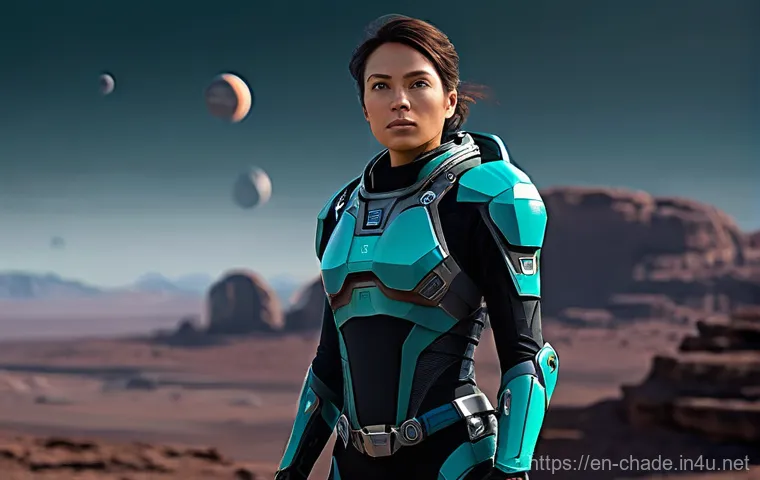
Alright, so you’ve got this incredible idea brewing, right? A character that’s going to light up screens, jump off pages, or become the next big thing in the metaverse. But before you even think about connecting with a character design team, let me tell you, from my own trenches, the absolute non-negotiable first step is nailing down your vision. I mean, really digging deep into what makes this character tick. When I first started out, I’d sometimes jump the gun, eager to see my ideas brought to life, only to realize I hadn’t fully articulated the ‘why’ behind the ‘what.’ And let me tell you, that leads to endless revisions and frustration for everyone involved, often costing precious time and money. It’s like trying to build a house without a blueprint – you might get walls, but will it be the dream home you envisioned? Absolutely not. Think about their backstory, their quirks, their deepest desires, and even their favorite color if it matters to their personality. This isn’t just about aesthetics; it’s about soul. The clearer your internal picture, the easier it is for a team to translate it into a tangible, breathing character.
Defining Your Character’s Core Identity
This is where the magic truly begins, even before a single line is drawn. I’ve learned that a character’s core identity isn’t just their appearance; it’s their essence. What role do they play in your story or brand? Are they a whimsical sidekick for a children’s animated series, a gritty hero for a new video game, or a sleek mascot for a tech startup? Each role demands a different approach. For instance, designing a character for a mobile game means considering how they’ll animate on a small screen, their visual impact at a glance, and how their personality will shine through limited text or sound bites. Contrast that with a character for a graphic novel, where intricate details and expressive poses can tell a much richer story. Getting this right from the start means fewer U-turns down the road, and believe me, your budget will thank you. I always jot down a character ‘bible’ – even if it’s just a few bullet points – covering their personality traits, motivations, and emotional range. It’s a lifesaver.
Crafting a Comprehensive Creative Brief
Once you’ve got your vision crystal clear, the next step, and one I cannot stress enough, is translating that into a creative brief that leaves no stone unturned. Think of it as your character’s resume, but for artists. I once worked on a project where the brief was a bit too vague, and the initial designs, while talented, missed the mark entirely because I hadn’t specified the emotional tone I was going for. It was a learning curve, for sure. A great brief should include everything from character archetypes and stylistic references to color palettes and even mood boards. Are we aiming for something cute and cuddly, or dark and mysterious? Providing visual examples, even if they’re just collages of images that evoke the right feeling, is incredibly helpful. Don’t be afraid to pull references from existing media – just make it clear what aspect you’re referencing. This isn’t about copying; it’s about providing a shared visual vocabulary so everyone is on the same page.
Building Your Dream Team: More Than Just Resumes
Finding the right character design team isn’t just about sifting through portfolios; it’s about finding kindred spirits who understand your vision and, crucially, can bring their own expertise to the table. I’ve had experiences where teams were technically brilliant but just didn’t ‘get’ the soul of the character, and let me tell you, that’s a tough hurdle to overcome. It’s not enough to see fantastic artwork; you need to feel a connection, an understanding that they’re passionate about what you’re trying to create. I always look beyond the technical skills. Do they ask thoughtful questions? Do they challenge my assumptions in a constructive way? Do they show a genuine interest in the narrative or purpose behind the character? These softer skills, believe it or not, often make or break a project. A team that truly invests in your project’s success, offering insights you might not have considered, is invaluable. Think of them as co-conspirators in your creative quest, not just hired hands.
Scouting for Complementary Skills and Styles
When I’m putting together a design team, or even just evaluating a studio, I’m not just looking for a single style. I’m searching for a complementary mix of skills. Maybe one artist excels at line work, another at rendering, and a third at character expression or rigging for animation. For a recent mobile game project, I specifically sought out artists who had experience with stylized, low-poly characters, as that was the aesthetic we were going for. But equally important was finding someone who understood the nuances of conveying personality through subtle gestures and simplified forms. A diverse skillset means they can tackle different aspects of the character design process, from initial concept sketches to final polished models, without needing to outsource every niche task. It’s about building a robust creative engine, not just a collection of talented individuals. This strategic approach saves time and ensures a consistent visual language across all aspects of your character’s development.
Interviewing for Synergy and Communication Style
Beyond the impressive portfolios and glowing references, the interview process is your chance to assess something far more critical: team synergy and communication style. I always make sure to ask candidates about their preferred methods of feedback, how they handle creative differences, and what their ideal collaborative environment looks like. One time, I learned the hard way that a highly talented artist preferred very little direct communication, which clashed with my hands-on, iterative approach. It led to some frustrating miscommunications. Now, I explicitly look for teams that are proactive in their communication, aren’t afraid to ask for clarification, and can articulate their creative choices. A good team isn’t just about individual talent; it’s about how well those talents intertwine and how smoothly information flows between all parties. Trust me, finding a team that communicates effectively will save you countless headaches and keep your project moving forward smoothly.
The Art of Communication: Speaking the Same Creative Language
Effective communication with your character design team isn’t just about exchanging emails; it’s about fostering a shared understanding, almost like speaking a unique creative language. I’ve found that the best collaborations aren’t built on assumptions, but on clear, consistent, and open dialogue. Early in my career, I’d sometimes hold back on immediate feedback, thinking I was being polite, but that only led to more work for the team and a less refined end product. Now, I advocate for frequent check-ins and an open-door policy when it comes to questions or concerns. It’s about building a two-way street where everyone feels comfortable sharing ideas, challenging concepts constructively, and being transparent about progress or potential roadblocks. This isn’t just a nicety; it’s a critical component of project efficiency and, ultimately, the quality of your character. It ensures that the team understands not just what you want, but *why* you want it, which empowers them to make better creative decisions on their own. After all, they’re the experts in bringing visuals to life!
Establishing Clear Feedback Channels and Cadence
One of the biggest lessons I’ve learned about working with creative teams is the absolute necessity of clear, structured feedback channels. It’s not enough to say “I’ll give you feedback.” You need a system. For bigger projects, I swear by scheduled feedback sessions – maybe a couple of times a week – where we can review progress, discuss challenges, and provide constructive critiques. Using project management tools like Asana or Trello can be a game-changer for tracking revisions and ensuring no comments get lost in the shuffle. I also make sure to specify the type of feedback required at different stages: early on, it might be about broad strokes and overall direction, while later stages focus on minute details. This prevents overwhelming the artists and allows them to focus their efforts effectively. Remember, feedback should always be constructive and focused on the work, not personal. A simple rule I follow: if you’re pointing out a problem, always try to suggest a potential solution, even if it’s just “I’m not sure, but maybe we could try X or Y?”
Leveraging Visuals and References for Clarity
When you’re dealing with character design, words can only go so far. This is where visuals become your best friend. Instead of trying to describe a feeling or a style purely through text, I always back it up with a treasure trove of visual references. If I want a character to have a “playful but determined” expression, I’ll scour Pinterest or art books for examples of faces that convey that exact emotion. For color palettes, I’ll use online generators or even take photos of things in the real world that inspire the right mood. Screenshots from movies, concept art from other games, even fashion photography – anything that helps translate your abstract ideas into concrete visual cues for the team. This significantly reduces misinterpretations and speeds up the design process. I’ve found that showing, rather than just telling, saves an incredible amount of time and ensures everyone’s internal image of the character aligns perfectly. It’s a game-changer for avoiding those “that’s not quite what I meant” moments.
| Communication Tool | Best Use Case | Personal Insight |
|---|---|---|
| Video Calls (e.g., Zoom, Google Meet) | Real-time discussions, complex feedback, initial brainstorming, mood alignment. | Nothing beats seeing facial expressions and sharing screens for detailed feedback. Helps build rapport quickly. |
| Project Management Software (e.g., Asana, Trello) | Task tracking, organized feedback, milestone management, keeping revisions documented. | Essential for larger projects. I found it drastically reduced “lost” comments and kept everyone accountable. |
| Visual Reference Boards (e.g., Pinterest, Miro) | Sharing mood, style, color palettes, and specific design elements visually. | My go-to for ensuring stylistic consistency. A picture truly is worth a thousand words when it comes to art. |
| Chat Platforms (e.g., Slack, Discord) | Quick questions, informal check-ins, urgent updates, team camaraderie. | Great for immediate responses. Keeps the conversation flowing without the formality of email. |
Navigating Feedback: The Secret Sauce to Iteration
Providing feedback isn’t just about pointing out what’s wrong; it’s an art form in itself, a delicate balance of critique and encouragement that drives the iterative process forward. I’ve learned that how you deliver feedback can significantly impact the team’s morale and the speed of your project. Early in my career, I sometimes struggled with articulating my thoughts, leading to vague comments that were unhelpful. The key, I’ve discovered, is to be specific, constructive, and always focus on the work, not the person. Frame your suggestions in a way that empowers the artists to find solutions, rather than just dictating changes. For instance, instead of saying “I don’t like the arm,” try “The arm feels a bit stiff for the character’s playful personality; could we explore some more dynamic poses or a slightly softer curvature?” This approach fosters a collaborative environment where artists feel valued and are more engaged in finding the best outcome. Remember, the goal is to refine, not to demoralize, and a well-delivered critique can inspire truly exceptional results.
Structuring Constructive Criticism for Growth
To truly get the most out of your team, you need to master the art of constructive criticism. I always start by highlighting what I appreciate about the current iteration. “I really love how you’ve captured the mischievous glint in their eyes, that’s spot on!” This sets a positive tone and lets the artist know their efforts are recognized. Then, when it’s time to address areas for improvement, I try to phrase it as a question or a suggestion for exploration rather than a demand. “What if we tried adjusting the proportions slightly to emphasize their heroic stature?” or “I’m wondering if a cooler color palette might better convey the character’s mysterious aura – what are your thoughts?” This invites a dialogue rather than a one-way directive, encouraging the team to think critically and apply their expertise. It’s not about being ‘right’; it’s about collaboratively finding the best solution, and that often comes from exploring multiple avenues based on well-structured feedback.
Knowing When to Push and When to Trust
One of the most challenging aspects of creative collaboration, in my experience, is knowing when to firmly push for your vision and when to step back and trust your team’s artistic judgment. There are times when a detail is absolutely critical to the character’s identity, and you have to stand your ground. I remember once I insisted on a specific eye shape for a character, even though the artists had tried a few variations, because it was intrinsically linked to their backstory and emotional depth. It felt like a small detail, but it made all the difference. However, there are also countless moments when an artist will come up with something truly unexpected and brilliant, something you hadn’t even considered. That’s when you need to have the confidence to say, “Wow, I hadn’t thought of that, let’s run with it!” Trusting your team’s expertise, especially when they present a compelling alternative, can elevate your character beyond your initial imagination. It’s a dance, really, of asserting your core vision while remaining open to the magic of shared creativity.
Embracing the Digital Frontier: Tools and Tech for Seamless Collaboration
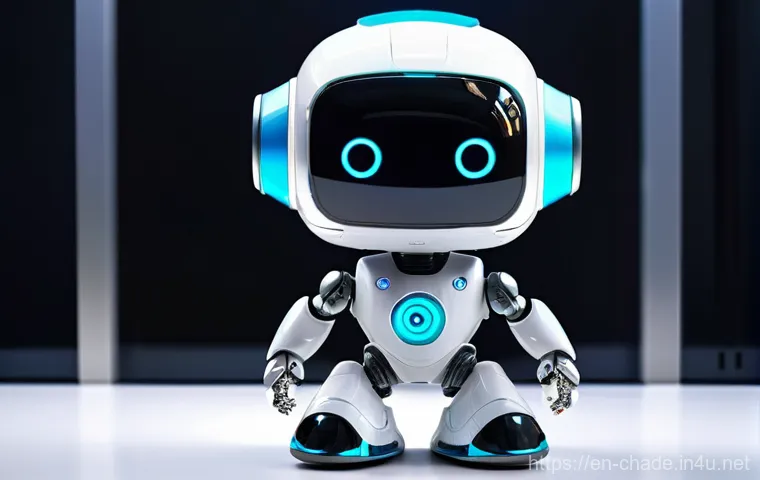
The digital landscape has completely revolutionized how we collaborate on character design, offering an incredible array of tools that streamline workflows and enhance communication. Gone are the days of endless paper sketches being couriered back and forth! I’ve personally seen how leveraging the right technology can transform a clunky, inefficient process into a smooth, dynamic creative flow. It’s not just about using any tool; it’s about choosing the *right* tools that integrate seamlessly into your team’s existing pipeline and truly facilitate rather than complicate. From cloud-based project management platforms that keep everyone updated in real-time to advanced 3D sculpting software that allows for immediate visual feedback, the options are vast. Investing a little time upfront to research and implement these technologies will pay dividends in terms of efficiency, clarity, and ultimately, a superior character design. It’s about empowering your team with the digital infrastructure they need to bring your vision to life with precision and speed.
Unlocking Efficiency with Cloud-Based Platforms
For any project involving a remote or distributed team (which is practically everyone these days, right?), cloud-based platforms are absolute lifesavers. I rely heavily on tools like Google Drive or Dropbox for file sharing, ensuring everyone always has access to the latest versions of character sheets, reference images, and project documentation. But beyond simple file storage, platforms like Miro or Figma have been game-changers for visual collaboration. We can have real-time brainstorming sessions on digital whiteboards, sketching ideas, dropping in references, and leaving comments directly on the art. This level of immediacy is crucial, especially when you’re iterating rapidly on character concepts. For a recent animated series, we used a shared Miro board to lay out character poses, expressions, and costume variations, and the ability for everyone to contribute and see updates instantly meant we moved from concept to final design much faster than traditional methods. It genuinely feels like everyone is in the same room, even when they’re thousands of miles apart.
Leveraging 3D and AI-Powered Design Tools
The advancements in 3D modeling and AI-powered design tools have opened up entirely new avenues for character creation and collaboration. When you’re working on a character that needs to exist in a 3D space, software like ZBrush or Blender becomes indispensable. Not only do they allow for incredible detail and sculptability, but they also facilitate much more accurate feedback. Instead of trying to describe a subtle curve or a specific angle, you can share a 3D model, and the team can rotate it, inspect it from every angle, and even mark up areas for revision. And then there’s the burgeoning field of AI in design! While it’s not about replacing human creativity, tools like Midjourney or Stable Diffusion, when used intelligently, can be fantastic for generating quick concept variations, exploring different stylistic approaches, or even creating unique texture references. I’ve personally used AI to generate initial mood boards or explore abstract forms, which then served as a jumping-off point for the human artists to refine and infuse with true personality. It’s about augmenting creativity, not replacing it, and embracing these tools can significantly accelerate your initial ideation phase.
Budgeting and Beyond: Making Your Vision Financially Viable
Let’s talk brass tacks for a moment, because as much as we love the creative process, bringing a character to life also means dealing with budgets and financial realities. This isn’t the most glamorous part of the journey, but it’s absolutely crucial for turning your vision into a sustainable project. I’ve seen countless brilliant ideas wither on the vine simply because the financial planning wasn’t as robust as the creative concept. From my own experiences, one of the biggest lessons has been the importance of transparency and realistic expectations from the very beginning. This means having candid conversations with your team about rates, timelines, and potential overages, and building in a contingency fund for those inevitable unforeseen tweaks. Remember, you’re not just paying for hours of work; you’re investing in expertise, experience, and the unique artistic vision that will define your character. Treating your budget as an integral part of the creative strategy, rather than a separate, restrictive entity, empowers you to make informed decisions that align artistic ambition with financial prudence.
Crafting a Realistic Project Budget
Building a realistic budget for character design is a meticulous process, but it’s absolutely essential. I always break it down into key components: concept art, 2D illustration, 3D modeling, rigging, texturing, animation, and even potential licensing fees if you’re working with specific IPs. For my last big project, I started by getting detailed quotes from several studios for each phase, not just a lump sum. This allowed me to compare apples to apples and understand where my budget was best allocated. Don’t forget to factor in software licenses, communication tools, and even a small buffer for unexpected revisions – because trust me, they always happen! It’s better to overestimate slightly than to run out of funds mid-project, which can be a real morale killer for everyone involved. I also make sure to clarify payment schedules upfront, whether it’s milestone-based, hourly, or a fixed project fee, to avoid any misunderstandings down the line. A well-planned budget isn’t a straightjacket; it’s a roadmap that guides your investment and ensures your creative journey is financially sound.
Negotiating Terms and Protecting Your Assets
Once you’ve found your dream team and outlined the budget, the next crucial step is negotiating terms and, just as importantly, protecting your intellectual property. This is where contracts become your best friend. I’ve learned that a clear contract, even for smaller projects, can prevent major headaches later on. Make sure it explicitly covers ownership of the character designs, usage rights, confidentiality clauses, and a detailed scope of work. Are you getting full commercial rights, or are there limitations? Will the artists retain portfolio rights? These are vital questions to ask and document. For a recent collaboration, we included a clause outlining specific deadlines for feedback and revisions, which helped keep the project on track and prevented scope creep. Don’t be afraid to ask for clarification on any legal jargon; it’s your investment and your creation. Consulting with a legal professional, even for a quick review, is a smart move that can save you significant time and money in the long run, ensuring that your beautiful new character is yours, unequivocally.
Celebrating Success and Learning from Every Pixel
Bringing a character to life through collaboration is an exhilarating journey, and once that final pixel is perfect, it’s incredibly important to take a moment to celebrate the achievement! I’ve found that acknowledging the hard work and creative passion of your team not only boosts morale but also lays the groundwork for future successful collaborations. It’s not just about hitting publish or launching your game; it’s about appreciating the collective effort that went into shaping something truly unique. But beyond the celebrations, there’s an equally vital step: reflecting on the process. Every project, big or small, offers invaluable lessons. What went smoothly? What were the unexpected challenges? How could communication have been even more effective? This continuous learning loop is what helps you evolve as a creator and a collaborator, making each subsequent project even stronger. It’s about more than just the end product; it’s about refining your entire approach to creative partnerships. Always take the time to debrief with your team, collect feedback on your own performance, and document these insights. This isn’t just about closure; it’s about growth.
Acknowledging Team Contributions and Building Relationships
A successful character design project is a testament to teamwork, and I always make it a point to genuinely acknowledge the contributions of every single person involved. Whether it’s a public shout-out on social media, a personal thank-you email, or even a small bonus if the budget allows, showing appreciation goes a long way. I’ve seen how a simple “great job on those expressions, Sarah!” can light up an artist’s day and strengthen their commitment to the project. Beyond the immediate project, fostering positive relationships with talented artists and studios is a long-term investment. The creative world is smaller than you think, and building a network of trusted collaborators means you’ll have a go-to team for your next big idea. I’ve often found myself returning to the same amazing artists for different projects because we’ve built a rapport and a shared understanding of creative goals. These relationships are invaluable, ensuring you always have access to top-tier talent who already understand your working style and vision.
Conducting Post-Mortem Reviews for Future Growth
Once the dust settles, a structured post-mortem review is, in my opinion, a non-negotiable step. It’s not about assigning blame; it’s about learning and optimizing for the future. I gather the team, usually virtually, and we openly discuss what worked brilliantly and what could be improved. We cover everything from the clarity of the initial brief to the effectiveness of our communication tools and the speed of feedback loops. Were there any technical hurdles that slowed us down? Did we accurately estimate the time required for certain tasks? I specifically ask for honest feedback on my own input and direction – it’s crucial to be open to criticism yourself. Documenting these findings is key, creating a knowledge base that informs your approach to every subsequent project. This analytical reflection turns every challenge into an opportunity for growth, ensuring that your collaborative process becomes smoother, more efficient, and ultimately, more creatively rewarding with each new character you bring to life. It’s how you turn good into consistently great.
Wrapping Things Up
Whew! What a journey, right? Bringing a character to life, from that initial spark of an idea to a fully realized design, is truly an art. It’s a process I’ve walked through countless times, and every single time, I’m reminded of the immense power of clear vision, collaborative spirit, and a whole lot of heart. This isn’t just about drawing pretty pictures; it’s about crafting a personality, a story, and a connection that will resonate with your audience. I genuinely hope my insights, drawn from my own experiences and a few bumps along the road, help you navigate your own creative adventures with a little more confidence and a lot more joy. Remember, every pixel and every line contributes to the soul of your creation!
Useful Information to Know
1. Master the Silhouette: Seriously, a strong, recognizable silhouette is your character’s best friend. Think about iconic characters like Mickey Mouse or Batman; you can identify them instantly just from their outline. This principle is key to making your characters stand out in a crowded visual landscape, especially in fast-paced media like games or animation.
2. Backstory is Everything: A character isn’t just their looks; it’s their history, their motivations, their quirks. Giving your character a rich backstory, even if it’s never explicitly stated, adds layers of depth that inform their design choices, expressions, and even how they carry themselves. It makes them feel real and relatable.
3. Embrace Iteration: Don’t expect perfection on the first try. Character design is an iterative process. Be ready to sketch, refine, get feedback, and then sketch some more. Each revision brings you closer to the ideal version of your character. It’s about exploring possibilities and not being afraid to make changes.
4. Leverage AI as a Co-Creator: In 2025, AI isn’t just a buzzword; it’s a powerful tool. Use AI-powered platforms to generate concept variations, explore different stylistic approaches, or even create unique texture references. It can significantly accelerate your ideation phase, allowing you to experiment faster and explore wider stylistic grounds, but remember, the human touch is what infuses true personality.
5. Cultural Sensitivity Matters: Especially when designing for a global audience, incorporating cultural elements thoughtfully and respectfully can make your characters more relatable and impactful. Understanding how different cultures perceive colors and behaviors helps you connect with a broader audience and ensures your animation can reach more people effectively.
Key Takeaways
Bringing a compelling character to life hinges on a crystal-clear vision, translating that vision into a meticulous creative brief, and then assembling a dream team whose skills and communication styles complement your own. Effective and open dialogue, supported by structured feedback and visual references, is the engine that drives a smooth collaborative process. Don’t shy away from constructive criticism; it’s the secret sauce for iteration and growth. Lastly, embracing modern digital tools and maintaining a realistic budget are crucial for turning your artistic ambition into a financially viable and celebrated success. Remember, the journey doesn’t end with the final design; learn from every project to foster continuous growth and build lasting creative relationships.
Frequently Asked Questions (FAQ) 📖
Q: What are the biggest hurdles I might face when collaborating with a character design team, and how can I navigate them to keep my project on track?
A: Oh, trust me, I’ve definitely hit these snags myself! One of the trickiest parts is often miscommunication of the initial vision. You have this incredible character in your head, but sometimes it’s like trying to describe a dream – getting all those nuances across can be tough.
Technical limitations also pop up; what looks amazing in a sketch might be incredibly complex or costly to animate or render, especially if you’re thinking about things like game engines or augmented reality.
And then there’s the delicate balance between giving your team creative freedom and sticking to your project’s core requirements, budget, and timeline.
My go-to strategy? Start with an incredibly clear, detailed brief that covers not just the “what” but also the “why.” Use mood boards, reference images, and even simple stick-figure sketches if that helps get your point across.
Set up regular, structured check-ins, but also foster an open environment where your team feels comfortable flagging potential issues early. I’ve found that proactive communication, almost to a fault, is truly your best friend here.
It transforms potential roadblocks into minor speed bumps.
Q: How can I make sure my unique character vision isn’t lost in translation when working with a design team, especially with so many digital tools available now?
A: This one is huge, I’ve seen so many projects stumble here! It’s not just about telling them; it’s about showing them and then constantly checking in. From my own adventures, I’ve learned that a solid visual brief is your holy grail.
Beyond just a written description, create a detailed character bible or style guide. This should include everything from personality traits and backstory to specific color palettes, preferred art styles, and even facial expressions or body language nuances.
Think about what your character feels like, not just what they look like. With all the amazing digital tools we have, don’t be shy about compiling a Pinterest board, a short video showcasing animation styles you like, or even quick mock-ups you’ve done yourself.
During the design process, give consistent, actionable feedback – avoid vague statements like “make it pop.” Instead, try “could we explore a warmer shade of blue for the eyes to convey more friendliness?” And really, truly listen to your team’s insights.
They are the experts in bringing visuals to life, and often, their suggestions can elevate your original concept in ways you hadn’t even imagined.
Q: With the metaverse and new
A: I art tools changing the game, what fresh perspectives or considerations should I bring to my character design collaborations? A3: It’s a wild new frontier, isn’t it?
The metaverse and AI tools are totally shaking things up, and I’ve been playing around with some of these tools myself. When you’re collaborating now, you really need to think about adaptability.
Is your character going to exist across different platforms? Maybe they’ll be a high-fidelity character in a cinematic, but also a customizable avatar in a metaverse experience.
This means discussing things like modular design, different levels of detail (LODs), and ensuring consistency across various digital environments. And those AI tools?
They’re fantastic for ideation and generating quick concepts, but you’ll want to clarify with your team how they plan to integrate them. Are they using AI for initial brainstorming, or are parts of the final asset going to be AI-generated?
It’s crucial to have open conversations about ownership, ethical sourcing of AI training data, and how to maintain that unique, human touch in the final product.
Your character needs to stand out and feel authentic, not just like another AI-generated asset. Future-proofing your characters by considering their longevity and versatility in these evolving digital spaces is no longer just a bonus; it’s a necessity.