Hey there, fellow creators and art enthusiasts! Have you ever paused to wonder what truly makes a character unforgettable? It’s not just about flashy designs or intricate details, is it?
More often than not, it’s that undeniable emotional resonance that pulls us in and makes us genuinely *feel* something. I’ve personally found that the most impactful characters, whether in a blockbuster game or a heartwarming animated short, are the ones that speak to our souls through their expressions, gestures, and even their very essence.
In today’s fast-paced digital world, where every frame and pixel matters, mastering the art of conveying genuine emotion in your character designs isn’t just a skill—it’s a superpower.
It transforms a mere drawing into a living, breathing entity that audiences can connect with on a deeply personal level, ensuring they stick around long after the credits roll.
Let’s really get into the nitty-gritty of how we can infuse that magic into your next masterpiece! Let’s dive into the fascinating world of emotional character design and uncover some truly transformative techniques.
Mastering the Art of Subtle Facial Expressions

You know, when I first started out in character design, I used to think that conveying emotion was all about making super exaggerated faces – wide grins, big frowns, you get the picture. But over the years, I’ve learned that true emotional resonance comes from the incredibly subtle shifts, those blink-and-you-miss-it micro-expressions that mimic real human behavior. It’s not just about drawing a happy or sad face; it’s about understanding the muscle movements that create those expressions. Think about it: a genuinely happy person doesn’t always have a cartoonishly wide smile. Sometimes, it’s a crinkle at the corner of their eye, a slight upward turn of the lips, or even just the way their cheeks lift. I’ve personally spent hours studying how people’s faces move when they’re genuinely feeling something – joy, sorrow, surprise, annoyance – and trying to translate that nuanced understanding into my character designs. Trust me, paying attention to these small details will elevate your work from good to absolutely captivating.
The Nuances of Eyebrows and Mouths
The eyebrows and mouth are truly the powerhouses of facial expression, and mastering their subtle movements is an absolute game-changer. I mean, seriously, a slight arch of an eyebrow can convey skepticism, surprise, or even playful mischief, all without changing anything else. Similarly, the way a mouth is curved or tensed can tell an entire story. A tight, thin line might indicate suppressed anger or frustration, while a soft, slightly open mouth could express wonder or confusion. I remember working on a character who was supposed to be perpetually worried but trying to hide it. Instead of just giving her a downturned mouth, I focused on a slight tension in her jawline and a subtle furrow in her brow that was almost imperceptible unless you were really looking. It made her feel so much more relatable and authentic, as if she was actually trying to put on a brave face. It’s these kinds of minute adjustments that create depth and allow your audience to truly connect with your characters on an emotional level.
Micro-expressions: The Unspoken Truth
Have you ever noticed how sometimes, before someone even says a word, you can tell exactly how they’re feeling just by a fleeting look on their face? Those are micro-expressions, and they are gold for character designers. These involuntary facial movements last only a fraction of a second, but they reveal true emotions that a character might be trying to conceal. As artists, we have the incredible opportunity to capture these momentary glimpses of a character’s inner world. It might be a quick flash of fear before they compose themselves, or a brief flicker of sadness that contradicts a forced smile. I’ve found that incorporating even a hint of a micro-expression can add an incredible layer of complexity and realism to a character. It tells the audience, “Hey, there’s more going on here than meets the eye,” and encourages them to lean in and truly engage with the character’s journey. It’s like peeking into their soul for just a second, and that kind of honesty is what keeps people captivated.
Body Language Speaks Volumes: Posture and Gesture
Beyond the face, our entire body is a canvas for emotion, and as character designers, we have the incredible power to make every limb, every joint, every angle tell a story. When I’m sketching a new character, I always start by thinking about their default posture. Are they hunched over, carrying the weight of the world on their shoulders? Or do they stand tall and confident, practically radiating self-assurance? I’ve noticed in real life how a simple shift in someone’s stance can completely change the vibe they give off. Someone slumping in their chair versus someone sitting upright and engaged – it’s night and day, right? Translating this into a character means thinking about their past, their personality, and their current emotional state. A character who’s just received bad news might sag slightly, their shoulders dropping, even if their face is trying to remain neutral. This physical storytelling creates an immediate, visceral connection with the audience, communicating emotion even before a single word is spoken. It’s like giving your character a voice without them ever opening their mouth.
The Weight of the World: Posture as a Storyteller
The way a character holds themselves can be a powerful narrative tool, often more impactful than any dialogue. Think about a character who is grieving: their shoulders might be rounded, head slightly bowed, and arms perhaps crossed defensively or hanging listlessly. This posture instantly conveys sorrow and vulnerability. Conversely, a triumphant hero will likely stand tall, chest out, head held high, radiating strength and victory. I once designed a character who was constantly putting on a brave face, but I wanted to hint at her internal struggles. I gave her a very upright, almost rigid posture, but with a slight, almost imperceptible tremor in her hands. This subtle contrast between her outwardly strong stance and her internal fragility spoke volumes, making her far more compelling. It’s about more than just drawing a pose; it’s about understanding the psychological underpinnings of why a body might adopt a certain shape. Observing how people around you move and carry themselves in different emotional states is an invaluable exercise. You’ll start to see patterns you can then adapt and exaggerate for your own designs, making them feel incredibly real and impactful.
Hand Gestures: An International Language of Emotion
Hands are incredibly expressive, almost like a second face, and they can add layers of emotional depth to your character designs. Think about how we use our hands in everyday life: to emphasize a point, to express frustration by clenching a fist, or to show uncertainty by fiddling with our fingers. These small, often unconscious gestures are universal communicators of emotion. I’ve personally found that paying close attention to how hands are posed can drastically change how an audience perceives a character’s emotional state. A character nervously wringing their hands conveys anxiety far more effectively than simply stating they are anxious. Someone with open, relaxed palms might appear trustworthy and calm, while a character with tightly balled fists could be simmering with rage or tension. When I’m sketching, I often try out different hand poses, even mimicking them myself, to see how they feel and what emotions they naturally convey. It’s amazing how much storytelling power is held within those fingertips. Don’t just stick hands in pockets or behind a back; use them to tell your character’s emotional truth. They are an often-overlooked but incredibly potent tool in your emotional design toolkit.
Color Psychology: Painting Emotions into Your Characters
Now, let’s talk about color, because it’s not just for making things look pretty; it’s an incredibly potent emotional tool. I mean, we instinctively associate certain colors with certain feelings, right? Red for passion or anger, blue for sadness or calm, yellow for joy or caution. As character designers, we can wield this psychological power to instantly communicate a character’s emotional state, personality, or even their arc throughout a story. I remember working on a project where a character was going through a profound personal transformation. We started her off with muted, almost desaturated blues and grays to reflect her initial sadness and lack of self-worth. As she grew and found her voice, we gradually introduced warmer, more vibrant yellows and oranges into her design. It wasn’t just a costume change; it was an emotional journey painted right onto her, and it resonated deeply with viewers. It’s like we’re whispering hints about their inner world through every hue and shade. Understanding how different colors affect human psychology is paramount, and it will give you an unfair advantage in conveying emotion subtly and effectively.
Warm Hues for Passion, Cool Tones for Calm
The distinction between warm and cool colors is fundamental to emotional design. Warm colors—reds, oranges, yellows—tend to be energetic and evoke feelings of passion, aggression, happiness, or excitement. Think about a fiery villain or a joyful, exuberant protagonist; they often sport these vibrant tones. Cool colors—blues, greens, purples—on the other hand, are generally more calming, serene, and can also convey sadness, mystery, or sophistication. A wise old mentor character might be draped in deep blues and greens, signaling their tranquility and wisdom. I’ve personally experimented with using a character’s core emotional state to dictate their primary color palette. For a character struggling with inner turmoil, I might lean into blues and purples, but with sharp accents of red or orange to symbolize their hidden anger or frustration. It’s about creating a visual language that speaks volumes without a single line of dialogue. When choosing your palette, always ask yourself: what emotion do I want to highlight in this moment? What does this color tell the audience about my character’s heart?
The Power of Desaturation and Contrast
It’s not just about which colors you choose, but also how you use them. Desaturation – draining the color out of a hue – can be incredibly effective for conveying sadness, hopelessness, or a loss of vitality. Imagine a character in a flashback scene, rendered in almost grayscale tones, contrasting sharply with their vibrant present-day self. This instantly communicates a profound emotional shift or a memory tinged with melancholy. Conversely, using high contrast and saturated colors can create a sense of intensity, drama, or overwhelming emotion. A sudden burst of vibrant red against an otherwise muted background will immediately draw the eye and signify a powerful emotional outburst or a critical moment. I’ve found that strategically desaturating a character’s palette during moments of despair and then slowly reintroducing saturation as they overcome challenges is an incredibly powerful visual metaphor for their emotional journey. It’s not just painting; it’s painting with feelings.
Here’s a quick reference for common emotional associations with colors:
| Color | Positive Emotional Associations | Negative Emotional Associations |
|---|---|---|
| Red | Love, Passion, Energy, Courage | Anger, Danger, Aggression, Warning |
| Blue | Calm, Serenity, Trust, Wisdom | Sadness, Coldness, Melancholy, Isolation |
| Yellow | Joy, Optimism, Warmth, Creativity | Envy, Cowardice, Deception, Sickness |
| Green | Growth, Harmony, Nature, Freshness | Envy, Greed, Stagnation, Decay |
| Purple | Royalty, Spirituality, Mystery, Creativity | Gloomy, Melancholy, Arrogance, Artificial |
| Orange | Enthusiasm, Excitement, Warmth, Cheerfulness | Frustration, Ignorance, Superficiality |
| Black | Elegance, Power, Sophistication, Mystery | Death, Evil, Sadness, Fear |
| White | Purity, Innocence, Cleanliness, Simplicity | Sterility, Emptiness, Coldness, Isolation |
Costumes and Props: Subtlety in Storytelling
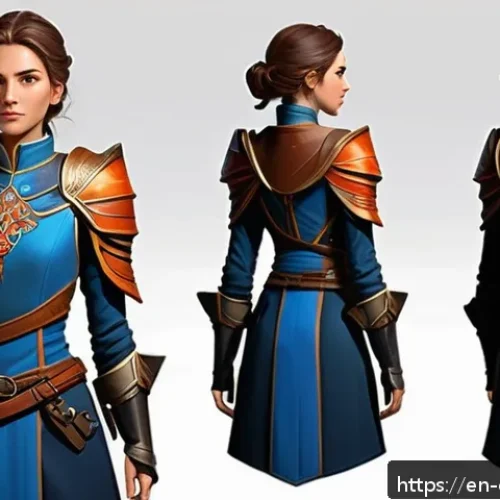
It’s truly incredible how much a character’s attire and the items they carry can reveal about their inner world and emotional state, often without a single word being exchanged. As designers, we get to play the role of silent storytellers through every stitch and every accessory. A character wearing tattered, well-worn clothes might instantly convey hardship, resilience, or a sense of pragmatism, while someone in pristine, elaborate garments could suggest opulence, vanity, or even a fragile sense of self-importance. I’ve personally learned that even the smallest detail – a specific type of jewelry, a scuffed pair of boots, or a carefully chosen hat – can speak volumes about a character’s history, their current struggles, and their underlying emotional landscape. It’s not just about fashion; it’s about externalizing internal feelings. These elements act like a visual shorthand, giving the audience immediate clues about who this character is and what they’re experiencing emotionally, enriching their connection to the story.
Fabric and Form: Clothing as Emotional Armor
The texture, cut, and even the way a fabric drapes on a character can be incredibly expressive. Think about it: a character who is emotionally guarded might wear stiff, structured clothing that acts almost like a protective shell, physically mirroring their internal defenses. Conversely, a free-spirited and open character might don flowing, soft fabrics that move with them, reflecting their emotional fluidity. I once designed a character who was constantly feeling overwhelmed and exposed; to convey this, I gave her clothing that felt slightly too big, almost as if she was trying to disappear within it, along with a somewhat disheveled appearance that hinted at her inner chaos. The choice of fabrics can also hint at comfort or discomfort. Coarse, heavy materials might suggest a life of labor or a desire for grounding, while delicate, light fabrics could imply vulnerability or a longing for escape. It’s all about making their outward appearance resonate with their inner turmoil or tranquility, providing another rich layer for the audience to delve into emotionally.
Everyday Objects, Extraordinary Feelings

It’s amazing how much emotional weight can be carried by a seemingly ordinary prop. A worn teddy bear, a faded photograph, a carefully preserved letter – these items aren’t just background details; they are anchors of memory and emotion. A character clutching a locket might be holding onto a cherished memory, battling loneliness, or yearning for a loved one. The act of interacting with such a prop can become a powerful moment of emotional expression. I’ve found that giving a character a specific, meaningful object can instantly deepen their personality and make them more relatable. For example, a character who meticulously polishes a seemingly insignificant trinket might be revealing a hidden perfectionism, a coping mechanism for anxiety, or a deep respect for tradition. These small, personal possessions can become extensions of the character’s emotional state, allowing the audience to glimpse their inner life and empathize with their journey. Don’t underestimate the power of a well-chosen prop; it can often tell a richer emotional story than pages of dialogue.
The Eyes Have It: Windows to the Soul
When it comes to conveying raw, unfiltered emotion, nothing quite beats the eyes. Seriously, they are the absolute windows to the soul, and as a character designer, mastering their expressive power is non-negotiable. I mean, you can tell so much about a character’s current state, their personality, and even their hidden thoughts just by looking into their eyes. A slight dilation of the pupils can convey fear or excitement, while a narrowed gaze might signal suspicion or anger. I’ve spent countless hours studying how different emotions manifest in the human eye – the subtle changes in the eyelids, the reflections, the way light catches the iris. It’s truly fascinating, and when you get it right, it brings your characters to life in a way that nothing else can. Trust me, if you want your audience to truly feel what your character is feeling, start with their eyes. They possess an almost magical ability to communicate depth and honesty, making your creations feel incredibly alive and deeply relatable.
Pupil Size and Gaze Direction
The pupils, those tiny black centers of our eyes, are surprisingly powerful emotional indicators. In real life, our pupils dilate when we’re excited, scared, or even just interested in something, and they constrict when we’re focusing intently or feeling antagonistic. Translating this into character design can add incredible subtle realism. Imagine a character’s pupils widening slightly when they’re surprised or encountering something they love – it’s an immediate, almost subconscious cue to the audience about their emotional response. Similarly, the direction of a character’s gaze tells its own story. Are they avoiding eye contact, suggesting shyness or deceit? Are they staring intently, conveying determination or aggression? Or are their eyes darting around, indicating nervousness or confusion? I once designed a character who was trying to appear confident but was actually terrified. I gave her a direct gaze, but her pupils were just ever-so-slightly dilated, and her eyes had a subtle tremor, hinting at her underlying fear. It’s these minute, biological responses that can make your characters feel truly authentic and emotionally complex.
The Shape of Emotion: Eyelids and Brows
It’s not just the iris and pupil; the surrounding structures – the eyelids and eyebrows – are equally crucial in sculpting emotional expressions. The way the eyelids are opened or closed, or the manner in which the eyebrows are arched, furrowed, or relaxed, dramatically alters the perceived emotion. Heavily lidded eyes, for instance, can convey tiredness, boredom, or a seductive allure, depending on the context. Widened eyes with raised eyebrows are classic indicators of surprise or fear, while narrowed eyes with furrowed brows scream anger, suspicion, or intense concentration. I’ve found that pushing the expressions in the eyelids and eyebrows just slightly can unlock a whole range of emotions that would otherwise be missed. For a character experiencing profound sadness, it’s not just about drawing a tear; it’s about the slight puffiness of the eyelids and the downturn of the inner corners of the eyebrows that truly sell the sorrow. These subtle adjustments can transform a generic expression into one that feels deeply personal and heart-wrenching, pulling your audience directly into the character’s emotional world.
Crafting a Backstory: Infusing Depth and Authenticity
Here’s a secret weapon for emotional character design: a solid backstory. Even if your audience never hears a single detail of it, having a well-defined history for your character — their joys, their traumas, their defining moments — fundamentally changes how you design them. It’s like an actor deeply understanding their role; that knowledge subtly informs every gesture, every expression, every reaction. I’ve personally experienced how creating even a brief timeline of a character’s life can transform a flat drawing into a living, breathing entity. Suddenly, you understand *why* they might carry themselves a certain way, *why* a particular expression is their default, or *why* certain events trigger specific emotional responses. This deep understanding allows you to infuse your designs with an authenticity that’s impossible to fake. It ensures that every emotional portrayal feels earned and genuine, because it’s rooted in who the character truly is, not just a surface-level emotion you’re trying to depict. This is where true emotional depth truly begins.
The Invisible Threads of Personal History
Every scar, every quirk, every habit a character possesses can be traced back to some point in their personal history. These are the invisible threads that weave through their present emotional state, often dictating their subconscious reactions. A character who grew up in poverty might still cling to their possessions, even if they are now wealthy, revealing an underlying fear of loss. Someone who experienced betrayal might have a guarded expression or a tendency to keep others at arm’s length. I remember working on a character who seemed perpetually cheerful on the surface, but I knew she had a painful past. Instead of directly showing her sadness, I subtly incorporated a habit she had of nervously touching a particular scar on her arm whenever she was stressed or anxious. This small, seemingly insignificant detail, born from her backstory, became a powerful visual cue for her hidden emotional vulnerability. These are the touches that make characters feel incredibly real – not because you explain every detail, but because their past is subtly, yet powerfully, reflected in their present emotional being.
Impacting Present Emotions: Past Experiences
A character’s past experiences are the bedrock upon which their present emotions are built. A traumatic event can leave lasting emotional scars that manifest in their current fears, anxieties, or even their coping mechanisms. Conversely, a joyful childhood filled with love might result in a character who radiates optimism and resilience. Understanding these connections allows you to create characters whose emotional reactions are consistent and believable. For example, a character who was constantly belittled in their youth might exhibit signs of low self-esteem, even when achieving success, perhaps avoiding eye contact or hunching slightly in moments of praise. I’ve found that by outlining just a few key emotional milestones in a character’s life – a significant loss, a moment of triumph, a recurring challenge – I can then more accurately portray their nuanced emotional responses to new situations. It’s like building an emotional algorithm for your character: input a new situation, and their deeply ingrained past experiences will dictate a genuinely authentic emotional output. This level of intentionality truly brings your characters to life and makes them deeply resonant with an audience.
Concluding Thoughts
Alright, my fellow creatives, we’ve journeyed through the incredible landscape of emotional character design, from the smallest flickers of micro-expressions to the profound impact of a well-crafted backstory. It’s been an absolute blast sharing what I’ve personally picked up over the years. Remember, truly captivating characters aren’t just about perfectly rendered features; they’re about telling a compelling story with every subtle shift and every carefully chosen detail. Trust me, when you start viewing every element – a character’s posture, the hue of their clothing, the glint in their eyes – as an opportunity to convey emotion, your designs will transcend mere visuals and forge a powerful, unforgettable connection with your audience. Keep observing, keep practicing, and most importantly, keep pouring your heart into your work. It absolutely makes all the difference!
Useful Information to Know
1. The Power of Observation: Beyond the Canvas
Go beyond just looking at faces in your reference folders. Seriously, dedicate some time to active people-watching in various environments – a bustling coffee shop, a serene park, or even just a queue at the grocery store. Pay keen attention to how people subtly react to their surroundings, how their posture shifts when they’re bored versus deeply engaged, or those fleeting expressions that cross their face right before they speak. I’ve personally found it incredibly useful to carry a small sketchbook or just make mental notes on my phone. This isn’t about being intrusive; it’s about being an artist who’s genuinely curious about the nuances of human behavior. You’ll swiftly start building a rich mental library of genuine human emotion that will become an invaluable, irreplaceable resource for crafting truly authentic and believable character designs. Seriously, try it out; it’s a game-changer for infusing your characters with real, raw emotion.
2. Sketching Micro-Expressions in Real-Time: Train Your Eye
Don’t just rely on static reference images; challenge yourself to capture those incredibly fleeting, blink-and-you-miss-it expressions you observe in movies, TV shows, or even in candid photos of friends. When watching something, pause a video at a crucial emotional moment and quickly sketch what you see. These rapid, dynamic exercises are phenomenal for training your eye to pick up on the subtleties that make expressions feel genuinely alive and human. I’ve personally dedicated just fifteen minutes a day to this practice, and it has drastically improved my ability to infuse my characters with unexpected depth and realism. It teaches you how to simplify complex facial muscle movements into actionable lines and shapes, ultimately making your character’s internal emotional world much richer and more believable to your audience.
3. Deep Dive into Color Theory and Cultural Context: Paint with Purpose
While a basic understanding of color psychology is a fantastic starting point, truly master it by delving into how different cultures perceive and react to colors. For instance, white signifies purity and new beginnings in many Western cultures, but it often represents mourning or death in some Eastern traditions. This nuanced understanding is absolutely vital when you’re designing characters for a global audience or for stories intentionally set in diverse cultural landscapes. I’ve learned firsthand that a color choice isn’t merely about personal aesthetic preference; it carries layers of meaning that can either resonate deeply or completely miss the mark depending on the specific cultural context. Take the time to explore anthropological studies of color, investigate historical uses, and understand how modern branding strategically employs color to evoke specific emotions. This deeper knowledge will empower you to paint emotions into your characters with incredible precision and profound impact.
4. The ‘Mini-Backstory’ Technique for Every Character: Even the Smallest Roles
Here’s a trick I swear by: even for a background character or a seemingly minor non-player character, give them a tiny, one-sentence backstory. Think along the lines of, “This shopkeeper just heard his favorite football team lost the big game,” or “This palace guard is absolutely daydreaming about his lunch break.” This small mental exercise forces you to consider their current emotional state, which will then subtly, yet powerfully, inform their posture, their default expression, and their overall demeanor. I use this technique constantly, and it instantly makes even the most fleeting characters feel more grounded and believable within the world you’re painstakingly creating. It brings an incredible sense of life to the entire scene, adding a richness that viewers might not consciously register but will absolutely *feel* on a deeper level. It’s a quick, easy trick that costs you nothing but pays immense dividends in authentic character portrayal.
5. Experiment with Multi-Sensory Emotional Expression: Beyond the Visual
Don’t limit yourself solely to visual cues when crafting your characters’ emotional landscapes. Take a moment to think about how sound (if your character exists in a medium with audio), touch (like the texture of their clothing), or even an imagined smell could influence a character’s emotional state. While your primary medium is visual design, actively considering these other senses can profoundly inform your visual choices. For example, a character who adores the smell of old books might instinctively soften their expression and posture when they are near a library. Or a character who intensely dislikes rough textures might subtly recoil from a coarse fabric. I’ve personally found that engaging these additional, often overlooked, senses during my design process helps me to create more fully realized, deeply complex, and emotionally resonant characters. It’s about building a truly holistic emotional profile that makes your characters genuinely leap off the page or screen and into the audience’s hearts.
Key Takeaways
Crafting emotionally rich characters truly hinges on a deep understanding and subtle application of various elements. Remember that micro-expressions, body language, and the nuanced use of color are powerful silent communicators. A compelling backstory isn’t just lore; it’s the invisible force that gives your characters authentic emotional depth. Ultimately, the most impactful designs stem from keen observation and genuine empathy, ensuring your characters don’t just look expressive, but truly *feel* real and deeply resonate with everyone who experiences them.
Frequently Asked Questions (FAQ) 📖
Q: I’m just starting out, and I often feel stuck. How can I even begin to inject genuine emotion into my character designs without them looking stiff or unnatural?
A: Oh, I totally get that feeling! It’s like you have this amazing idea in your head, but translating it onto paper or screen feels like trying to catch smoke.
In my journey, I’ve found that the absolute best place to start is by becoming a student of real-world emotion. Seriously, grab a mirror, make faces, and observe yourself!
Watch how your eyebrows arch when you’re surprised, how your lips curl when you’re annoyed, or the subtle tension around your eyes when you’re focusing hard.
Think about it, the eyes are often called the windows to the soul for a reason; they can convey so much, from shock to suspicion, just by adjusting their width or the size of the pupils.
It’s not just the face, either. I remember early on, my characters felt a bit like mannequins. Then I started paying attention to how people’s bodies react to feelings.
Slumped shoulders scream sadness, a clenched fist shows frustration, and an open, relaxed stance indicates comfort or confidence. Body language amplifies whatever is happening on the face, creating a full, compelling picture that audiences instinctively understand.
So, my biggest tip? Observe, study, and don’t be afraid to pull up tons of references – not just from other art, but from real life, photos, even movie stills.
The more you understand how real people express themselves, the more authentic your characters will become.
Q: I’ve tried to make my characters emotional, but sometimes they just look over-the-top or, worse, completely generic. What are some common mistakes artists make, and how can I avoid them to keep my designs fresh?
A: That’s a super common hurdle, and honestly, I’ve stumbled over it myself more times than I can count! One of the biggest mistakes I see, and used to make, is either going for extreme exaggeration when it’s not needed or, conversely, making expressions so subtle they’re practically non-existent.
Think of it this way: not every moment calls for a full-blown cartoonish gasp. Sometimes, a slight downturn of the mouth or a subtle furrow of the brow can tell a more powerful story.
It’s about finding the right balance for your character and the context. Another pitfall is losing the character’s core identity when they emote. You want your character to feel something, not transform into a completely different person with every new expression.
Ensure that even with varied expressions, the unique features that define your character—their specific eye shape, the curve of their jaw, their overall proportions—remain consistent.
This maintains believability. Also, I’ve found that generic emotional expressions happen when you don’t delve into the why behind the emotion. Why is your character sad in this moment?
Is it a quiet disappointment or a raging sorrow? The nuances make all the difference. Avoiding these mistakes comes down to deliberate practice and asking yourself, “Does this expression truly serve this character and this scene?”
Q: How can I ensure the emotions I depict are truly believable and resonate deeply with the audience, making them connect on a personal level instead of just seeing a “drawn” emotion?
A: Ah, the million-dollar question – getting that emotional resonance! This is where the magic truly happens, and for me, it all boils down to empathy and depth.
It’s not enough for you to know your character is sad; the audience needs to feel that sadness, too. I’ve learned that a key element is to really dig deep into your character’s backstory and personality.
What have they been through? What are their fears, their hopes, their hidden desires? When you understand their internal world, their external expressions become naturally authentic.
For instance, a character with a history of quiet struggle might express anger through a tightly controlled jaw and narrowed eyes, rather than an explosive scream.
Another transformative technique is showing, not just telling. Instead of just drawing a “happy” face, show the slight crinkle at the corners of their eyes, the genuine tilt of their head, or a relaxed posture that communicates contentment.
These small, non-verbal cues create a much richer and more believable emotional landscape. And here’s a pro tip from my own experience: don’t be afraid to give your characters slightly unpredictable emotional reactions sometimes.
Real people don’t always react perfectly rationally or predictably. A character might laugh when they’re nervous or get intensely focused when they’re heartbroken.
These subtle complexities make them feel less like a drawing and more like a living, breathing being that your audience can genuinely connect with and root for.
It’s all about making them feel real, imperfect, and utterly human.